
Law
What Every Texan Should Know About Uninsured Motorist Coverage

Key Takeaways
- Uninsured Motorist (UM) coverage protects you and your passengers if an uninsured driver causes an accident, covering medical expenses, lost wages, pain and suffering, and property damage.
- Underinsured Motorist (UIM) coverage fills gaps when the at-fault driver’s insurance is insufficient to cover your losses.
- Texas law requires insurers to offer UM coverage, but drivers can decline it; carefully consider this decision to avoid out-of-pocket expenses.
- Review your policy regularly and choose coverage limits that reflect your family size, driving habits, and financial risk tolerance.
- Consulting a qualified Texas personal injury attorney or insurance expert can help ensure your UM/UIM coverage provides adequate protection.
Understanding Uninsured Motorist Coverage
Uninsured Motorist (UM) coverage is a fundamental part of a responsible auto insurance plan, especially in Texas. This type of coverage serves as a safety net, ensuring drivers and their families are protected if someone without car insurance hits them. It is an unfortunate reality that, despite legal obligations, not all drivers carry adequate insurance. If you are injured or your vehicle is damaged in such a scenario, UM coverage steps in to help cover your losses, compensating for expenses you would otherwise have to bear on your own. For those seeking experienced legal guidance, skilled Texas personal injury attorneys can help explain your rights and options if an uninsured driver strikes you.
The main benefit of UM coverage is peace of mind. No one expects to be in a car accident, but if the unexpected happens and the at-fault party has no insurance, you will not be left scrambling to cover your bills. Texans face unique dangers on the road due to the sheer size of the state and the high number of commuters, making this coverage one of the smartest investments for Texans who value their financial future and well-being.
The Prevalence of Uninsured Drivers in Texas
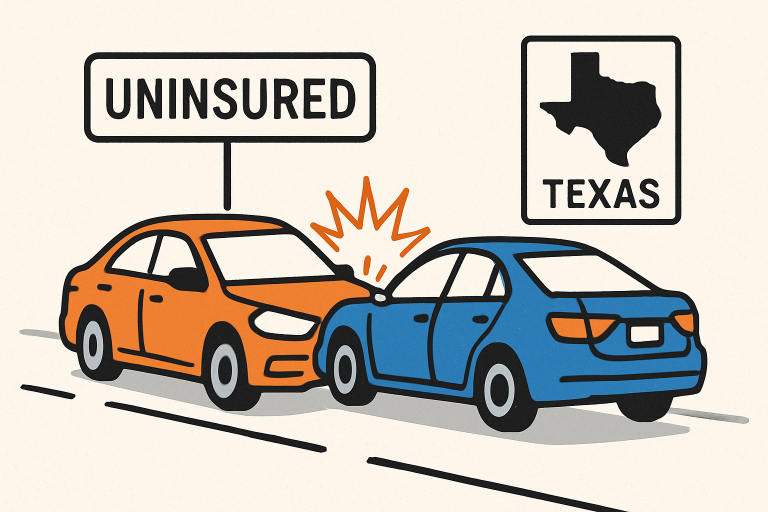
Estimates suggest that between 8% and 14% of Texas drivers are uninsured, despite state laws requiring minimum liability coverage. This means that, statistically, about one in every ten drivers you pass on Texas highways might be uninsured. These numbers result from a mix of factors, from oversight to the deliberate choice to avoid paying premiums. For law-abiding motorists, this reality poses a significant risk, as even a minor collision with an uninsured driver can result in substantial financial losses if sufficient insurance coverage is not in place.
According to data and research from agencies such as the Insurance Information Institute, Texas consistently ranks among the states with the highest uninsured driver rates. This amplifies the importance of understanding, selecting, and maintaining the right UM and Underinsured Motorist (UIM) coverage limits for your circumstances.
Legal Requirements and UM Coverage
Texas law obligates insurance companies to offer UM coverage to all policyholders. However, drivers do not have to accept this coverage and may decline in writing. It is important to weigh this decision carefully, as declining UM coverage may lead to slightly lower premiums in the short run but could expose you to steep out-of-pocket expenses in the event of a crash with an uninsured driver. The financial impact of such a decision can be long-lasting, particularly if significant injuries or property damage occur. Many Texas families discover too late that their savings and assets are vulnerable after waiving UM protections to save on premiums.
Benefits of Uninsured Motorist Coverage
UM coverage delivers a range of important benefits that go beyond just basic car repairs:
- Medical Expenses: This coverage pays for the costs of treating injuries that you or your passengers suffer if an uninsured driver causes a crash, filling gaps where health insurance may not cover all expenses.
- Lost Wages: Accidents often lead to missed work, and UM coverage compensates you for this lost income, helping you maintain financial stability as you recover.
- Pain and Suffering: Physical injuries and emotional distress are real concerns after a major collision. UM coverage can provide compensation for these damages, going beyond what standard health insurance typically covers.
- Property Damage: Your vehicle repairs or even replacement costs are covered if the other driver cannot pay, ensuring you are not left without transportation after a serious crash.
Underinsured Motorist Coverage: An Added Layer of Protection
Underinsured Motorist (UIM) coverage complements UM coverage. While UM helps when the at-fault party has no insurance at all, UIM steps in if the liable driver’s insurance cannot fully pay for your losses. In Texas, many drivers carry only the minimum liability required by law. These minimums often fall far short in cases of major property damage or severe injuries. UIM relieves the burden of these leftover costs, making certain that you and your family do not have to absorb huge expenses out of pocket after a catastrophic crash.
Common Misconceptions About UM/UIM Coverage
- Cost Concerns: Contrary to popular belief, UM and UIM coverage are typically among the most affordable parts of an auto policy, especially considering the substantial financial protection they provide.
- Health Insurance Replacements: Some believe that health insurance makes UM coverage unnecessary, but health insurance does not cover lost wages, emotional trauma, or damage to your car, gaps that UM coverage is specifically designed to fill.
- Scope of Coverage: UM/UIM protection also applies when the at-fault driver’s policy limits are not sufficient, not just when a driver has zero insurance, making these coverages valuable in a wide array of accident scenarios.
Determining the Right Coverage Limits
Choosing the right UM/UIM coverage limits requires an honest assessment of your needs, resources, and driving habits. For families with young drivers or frequent commuters, higher limits are a wise choice. The Texas Department of Insurance typically recommends limits of $100,000 per person and $300,000 per accident for bodily injury to provide meaningful protection. Consider your family structure, your savings, and whether your job requires you to rely heavily on your own vehicle to set the right coverage target for you.
Taking Action: Reviewing and Updating Your Policy
The risks posed by uninsured and underinsured motorists are real and widespread. It is a best practice for Texans to review their auto insurance policy at least annually. Make sure your UM and UIM coverage matches your current needs and that you have not inadvertently declined this protection. Talking with a knowledgeable insurance agent or legal professional helps you review options and adjust your policy before disaster strikes.

Building A Better Commercial Painting Plan From Prep To Completion

What Makes Legal Marketing Different From Marketing Almost Anything Else?

Why Bar Stools Can Completely Change the Feel of a Kitchen
Ways Proper Garage Door Installation Improves Performance

How to Compare Maine Neighborhoods Before Buying a Home in 2026

The Future of Home EV Charging: Trends, Benefits, and What Drivers Need to Know

How Septic Tank Pumping Services in Huntsville AL Protect Soil Absorption Systems

Foundation Crack Repair Using Injection Methods

How do you know when you need to change your primary care doctor
The Importance of Accurate Inventories Before Moving Day
Ways Proper Garage Door Installation Improves Performance
What Makes Legal Marketing Different From Marketing Almost Anything Else?
Why Bar Stools Can Completely Change the Feel of a Kitchen