
Health
How Anxiety and Depression Affect Teen Development

Key Takeaways
- About 1 in 5 adolescents experience symptoms of anxiety or depression.
- Untreated mental health concerns can disrupt a teen’s educational, social, and emotional growth.
- Early intervention can lessen long-term effects and set the stage for a healthier adult life.
Adolescence is a critical period of growth, both emotionally and physically. During these years, teens face many challenges, from school pressures to social relationships, which can affect their development. Anxiety and depression are common mental health concerns during this stage, and they can have a significant impact on a teenager’s daily life. Struggling with these conditions can affect sleep, appetite, concentration, and motivation, making it harder for teens to keep up with school and social activities. Over time, these challenges can influence how they form friendships, manage stress, and develop self-confidence.
Parents, teachers, and caregivers play an important role in noticing changes and offering support. Resources like newharborbh.com provide guidance and information for families seeking to understand mental health issues in teens. By learning about the effects of anxiety and depression on development, families can take steps to support healthy coping skills, maintain routines, and encourage open communication. Early understanding and intervention can help teens navigate these challenges and continue to grow in a balanced way.
Prevalence of Anxiety and Depression in Teens
Recent research points to a dramatic increase in the prevalence of mental health conditions among young people. The Kaiser Family Foundation reported that approximately 21 percent of American adolescents aged 12 to 17 experience anxiety, and 17 percent report symptoms of depression. This growing mental health crisis has drawn national attention, highlighting the need for immediate awareness and timely intervention.
Factors contributing to this increase include academic pressures, societal expectations, changes in family dynamics, and the widespread use of digital technology. Left unaddressed, the symptoms of anxiety and depression can intensify, affecting both immediate well-being and long-term prospects.
Impact on Social Development
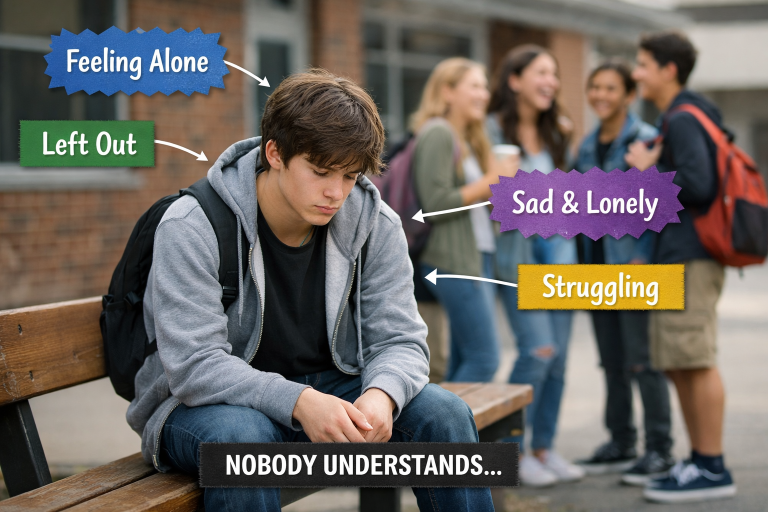
Teens dealing with anxiety or depression often find it difficult to connect with peers. Social withdrawal is a common response that limits opportunities to build healthy, supportive friendships. These struggles with social interaction may stunt the development of critical skills such as empathy, communication, and conflict resolution. Over time, chronic isolation can reinforce feelings of loneliness and lower self-esteem, making recovery even more challenging.
Furthermore, an inability to trust or engage properly with others can hinder a teen’s ability to develop healthy relationships in adulthood. Building social skills and creating chances for positive interactions should be a priority for families and educators who want to support teens with mental health issues.
Academic Challenges
The school environment presents unique challenges for teens with anxiety or depression. Difficulties with concentration, reduced motivation, and persistent fatigue can result in lower grades and disengagement from academic activities. These problems often escalate as academic achievement falls, and students become further disconnected from their educational communities.
Missed classes, incomplete assignments, and an aversion to participation can also affect a teen’s future academic opportunities, impacting college admissions and career paths. According to the National Institute of Mental Health, early identification and support in school are vital in preventing more severe academic setbacks down the road.
Emotional Regulation Difficulties
Anxiety and depression frequently impair a young person’s ability to manage emotions. Teenagers may become easily overwhelmed by stress, leading to unpredictable mood swings, irritability, and difficulty coping with setbacks. Because adolescence is already a time of emotional volatility, mental health concerns can make everyday ups and downs far more intense. Poor emotional regulation, in turn, can increase the likelihood of impulsive, sometimes risky behavior, as teens struggle to find relief from distress.
Physical Health Consequences
The effects of anxiety and depression extend beyond the mind. Chronic mental health conditions can disrupt sleep patterns, cause changes in eating habits, and weaken the immune system’s ability to fight off illness. Studies have also linked untreated mental health concerns in teens to an increased risk for chronic health issues, including cardiovascular disease and diabetes, in adulthood.
Lack of exercise and unhealthy routines, which often accompany depression, may also contribute to a decline in physical wellness. Encouraging healthy habits and regular exercise supports both body and mind and can be a powerful intervention in recovery.
Role of Social Media
Technology occupies a unique place in adolescent life. While social media can help teens stay connected, its excessive use has been identified as a risk factor for anxiety and depression, especially for those already struggling with mental health issues. The pressure to maintain perfect images online, exposure to cyberbullying, and the addictive nature of social platforms all contribute to emotional distress.
Promoting digital literacy, encouraging mindful social media use, and setting healthy boundaries are essential strategies for reducing potential harm. Parents and caregivers can play a leading role by modeling healthy technology use and fostering open conversations about digital well-being.
Importance of Early Intervention
Recognizing the warning signs of anxiety and depression can make a decisive difference in a young person’s life. Signs can include withdrawal, persistent sadness, irritability, loss of interest in once-enjoyed activities, or changes in sleep and appetite. Parents, teachers, and healthcare professionals must remain vigilant and intervene when concerns arise.
Starting treatment early, whether through counseling, therapy, or medication when necessary, greatly improves the likelihood of a positive outcome. Community resources and professional support can help families address these challenges and offer hope for healthy development.
Conclusion
Anxiety and depression may cast a long shadow over the critical years of adolescence, potentially shaping a teen’s development in ways that last well beyond their teenage years. However, with proper support, early intervention, and greater awareness, the impact of these conditions can be mitigated. Prioritizing mental health in adolescent care is essential to nurturing a generation of resilient, healthy adults.
Ways Proper Garage Door Installation Improves Performance

How to Compare Maine Neighborhoods Before Buying a Home in 2026

The Future of Home EV Charging: Trends, Benefits, and What Drivers Need to Know

How Septic Tank Pumping Services in Huntsville AL Protect Soil Absorption Systems

Foundation Crack Repair Using Injection Methods

How do you know when you need to change your primary care doctor
The Importance of Accurate Inventories Before Moving Day

Miami Beach Real Estate Trends and Insights for Homebuyers and Sellers

Supporting Aging Loved Ones in Winston-Salem: A Family Guide to Senior Care

The Evolution of Youth Basketball Tournaments: Trends, Technology, and Community Impact
Foundation Crack Repair Using Injection Methods
The Future of Home EV Charging: Trends, Benefits, and What Drivers Need to Know
How to Compare Maine Neighborhoods Before Buying a Home in 2026