
Real Estate
How to Judge a Mountain Home Before You Buy in Aspen, Colorado

Key Takeaways
- A mountain home should work as both a lifestyle purchase and a long-term property asset.
- Views matter, but winter access, sun exposure, emergency response, and road maintenance may matter more in daily life.
- Confirm remodeling and expansion options before treating an older property as a simple renovation opportunity.
- Wildfire readiness, insurance availability, and defensible-space responsibilities deserve attention early in due diligence.
- A thorough inspection should focus on the roof, drainage, structure, heating, plumbing, and systems that protect the home during vacancy.
Buying in Aspen, Colorado, means evaluating more than architecture, views, and proximity to skiing. A mountain property is a year-round operating system shaped by weather, terrain, access, building rules, and ongoing care. Buyers who look past a polished listing can make a clearer decision about whether a home truly fits their plans. For perspective on both property value and improvement feasibility, Aspen CO, real estate agents Aspen Luxury Brokers brings together real estate representation and a builder-informed approach. Aspen Luxury Brokers works with buyers, sellers, renters, and property owners in Aspen, Snowmass Village, and the wider Roaring Fork Valley, with practical insight into purchasing, remodeling, and evaluating what a mountain home may require after closing.
Why Mountain Homes Require a Different Review
A conventional inspection is essential, but it is only the starting point in Aspen. Steep lots, snow loads, freeze-thaw conditions, retaining walls, shaded driveways, and limited construction access can affect the cost and practicality of ownership. A home that feels effortless on a bright summer afternoon may be far more demanding after repeated storms or during a long winter absence. Ask how the property performs under difficult conditions. Can the driveway be safely used after snowfall? Is there a reliable heating plan during a power interruption? Who notices a plumbing leak if the home is vacant? These questions help turn a visual tour into a realistic ownership review.
Start With the Property’s Exact Setting
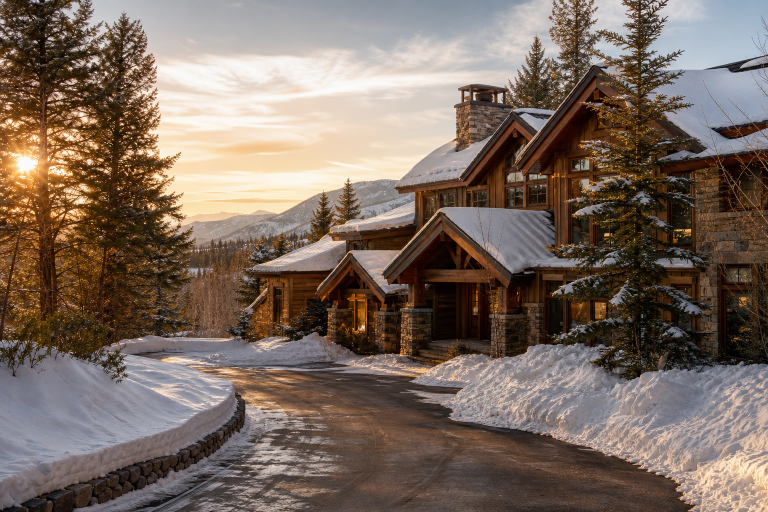
Before comparing kitchens or finishes, study the setting. Aspen homes can deliver very different experiences even when they are only a short distance apart. Consider the route to downtown, ski areas, schools, trails, grocery services, and medical care. Then look closely at the site itself.
- Check the road grade, driveway width, turnaround area, and space available for snow storage.
- Visit at different times of day to understand privacy, traffic, neighboring activity, and sunlight.
- Ask whether nearby parcels could be developed and whether existing views depend on open land that is not protected.
- Test cell service and ask about internet reliability, especially if remote work or security monitoring is important.
- Notice drainage patterns, mature trees, retaining features, and areas where ice may accumulate.
Check Winter Access Before Making an Offer
Winter access can influence comfort, safety, maintenance costs, and future buyer appeal. A steep drive that is manageable in dry weather may require regular plowing, sanding, heating, or careful vehicle planning in winter. A narrow approach can also complicate service calls, deliveries, and emergency access.
Questions to Ask
- Who is responsible for plowing the public road and private driveway?
- How frequently is snow removal typically needed, and where is snow placed?
- Can emergency vehicles and large service trucks reach the house in poor conditions?
- Does the property have backup heat, a generator, battery storage, or another contingency plan?
- Are there easements, shared-driveway agreements, or association rules that affect access?
Review Building Rules Before You Picture an Addition
Do not assume that a large lot can support a larger home. Setbacks, height restrictions, lot coverage, parking requirements, historic considerations, utility locations, environmental constraints, and site conditions can all affect what is possible. The same is true for rebuilding after a major loss or changing the layout of an existing structure. Before relying on a seller statement or an informal estimate, confirm the property’s permitted square footage, past approvals, and potential development limits with the appropriate City of Aspen or Pitkin County offices. For a renovation-minded buyer, that step can be as important as the inspection.
Pay Close Attention to Wildfire Readiness
Wildfire preparation is a routine part of mountain-home research. Aspen adopted the Colorado Wildfire Resiliency Code for building permits submitted on or after April 23, 2026. The city explains that the requirements address structural hardening and fuel mitigation, including rules governing materials near structures, vegetation management, and certain fences. Review Aspen’s wildfire resiliency requirements when assessing any planned addition, alteration, or exterior project. During a showing, review the roof, exterior walls, vents, decks, eaves, fence connections, vegetation close to the home, driveway access, water availability, and likely evacuation routes. Existing conditions may not prevent a purchase, but they should be understood before budgeting for ownership or upgrades.
Estimate Insurance and Ownership Costs Early
The purchase price is only part of the financial picture. Request an insurance quote before the inspection period ends, rather than assuming coverage and cost will be straightforward. Ask about replacement-cost coverage, wildfire-related considerations, water damage, detached structures, liability, and requirements for a seasonal or vacant home. Build a realistic annual budget for heating, snow services, roof and gutter care, landscaping, security monitoring, property management, utilities, and periodic repairs. A home with extensive glass, long driveways, multiple heating zones, or a remote site may require more active oversight than a smaller in-town property.
Study Construction and Systems
Luxury finishes do not guarantee resilient construction. Use qualified inspectors and, when appropriate, specialized professionals to review the roof age and drainage, foundation movement, retaining walls, heating equipment, fuel systems, plumbing insulation, windows, air sealing, ventilation, and backup-power equipment. Also, separate projects into three categories. Simple updates include paint, lighting, fixtures, and furnishings. Medium projects can include bathrooms, kitchens, windows, insulation, and energy improvements. Major work includes excavation, structural changes, additions, foundations, or reconstruction. This distinction keeps a significant construction plan from being treated like a quick cosmetic refresh.
Compare Lifestyle Value With Resale Value
The ideal home for one household is not always the easiest property to resell. Consider bedroom layout, parking, storage for skis and gear, outdoor usability, privacy, walkability, views, rental restrictions, and ease of access. A home with a spectacular setting but difficult winter logistics may serve a specific buyer well while narrowing its future audience.
Use a Practical Offer Checklist
- Review recent comparable sales and the property’s individual condition.
- Confirm permitted square footage and investigate improvement potential.
- Request utility bills, maintenance records, repair invoices, and warranties.
- Obtain insurance guidance and inspect the roof, drainage, heating, and plumbing protection.
- Confirm snow-removal duties, road access, easements, occupancy rules, and rental limitations.
- Keep a reserve for unplanned repairs and early ownership projects.
Common Questions Buyers Ask
Is Aspen real estate still worth considering in 2026?
That depends on intended use, time horizon, financing, and the full cost of ownership. A careful buyer should focus on the specific home, its location, condition, and constraints instead of assuming every property will perform the same way.
Should buyers prefer a newer home?
Newer homes may offer modern systems and fewer immediate projects. Older homes may provide character, a stronger location, or renovation potential. Inspection findings and verified building options should guide the choice.
What cost is most often overlooked?
Recurring operational costs can be easy to underestimate, especially snow services, heating, insurance, security, property management, and repairs during periods of vacancy.
Conclusion
A strong first impression is valuable, but it is not enough when buying a mountain home in Aspen. Beyond attractive views, high-end finishes, and a desirable address, buyers should review the setting, year-round access, construction limitations, wildfire readiness, insurance availability, major systems, maintenance requirements, ownership costs, and long-term resale appeal as a single, cohesive picture. A property that looks perfect during a summer showing may present very different challenges during winter weather or periods of heavy snow. Taking time to understand these practical factors can help buyers avoid unexpected expenses and lifestyle compromises. The right property is not necessarily the newest, largest, or most expensive. It is the home that works reliably, fits your budget, and supports the way you plan to live in Colorado for years to come.

How to Judge a Mountain Home Before You Buy in Aspen, Colorado

Building A Better Commercial Painting Plan From Prep To Completion

What Makes Legal Marketing Different From Marketing Almost Anything Else?

Why Bar Stools Can Completely Change the Feel of a Kitchen
Ways Proper Garage Door Installation Improves Performance

How to Compare Maine Neighborhoods Before Buying a Home in 2026

The Future of Home EV Charging: Trends, Benefits, and What Drivers Need to Know

How Septic Tank Pumping Services in Huntsville AL Protect Soil Absorption Systems

Foundation Crack Repair Using Injection Methods
