
Home Improvement
How to Keep Phoenix, Arizona Homes Pest-Ready During Monsoon Season

Key Takeaways
- Monsoon rain can create mosquito breeding sites and drive pests toward dry indoor spaces.
- A short weekly inspection can reveal standing water, damaged screens, leaks, and entry gaps.
- Removing food, water, and hiding places makes a property less appealing to many pests.
- Accurate identification matters because not every insect seen after a storm requires treatment.
- Integrated pest management combines prevention, monitoring, and targeted action.
- Termite swarmers, signs of rodents, and ongoing cockroach activity warrant prompt attention.
Phoenix monsoon weather can transform a dry yard in a matter of hours. Rainwater collects in low spots, wind damages screens, and humid conditions can change where insects and other pests look for food, shelter, and moisture. A simple prevention routine helps homeowners catch those changes before they turn into a recurring indoor problem. For persistent activity that goes beyond routine cleanup, homeowners can consult Phoenix pest control from Green Mango Pest Control, a locally owned company that provides residential and commercial pest services throughout Greater Phoenix and the Valley, with information on concerns including mosquitoes, termites, rodents, roaches, ants, spiders, and scorpions.
Why Monsoon Weather Changes Pest Activity
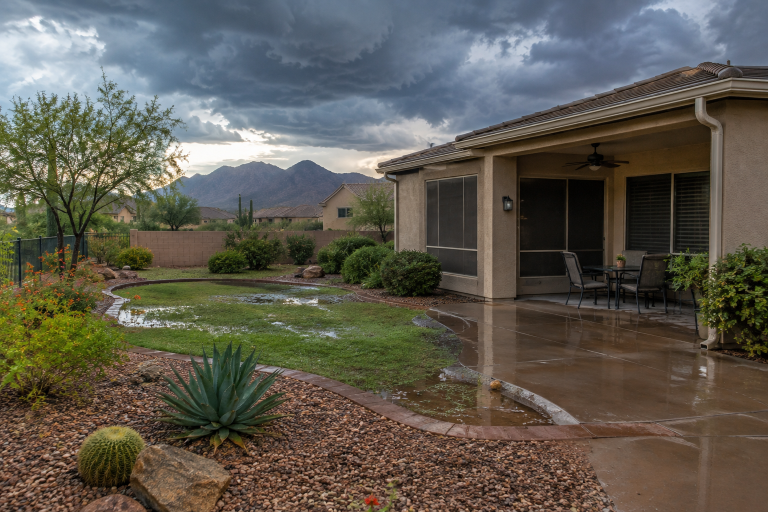
Heavy rain, higher humidity, and sudden water pooling alter pest behavior around Phoenix homes. Some insects benefit from moisture, while others leave flooded outdoor areas, drains, or wall voids in search of drier shelter. Monsoon conditions can bring pests into homes, including mosquitoes, cockroaches, ants, and termites, according to the University of Arizona Cooperative Extension. Winged ants and termites may also appear during their reproductive season, particularly around lights, windows, and doors.
The Weekly Pest-Prevention Check
During the rainy season, take 10 to 15 minutes once a week to walk the property. Start at the exterior walls and work around the yard, patio, garage, and storage areas. Check gutters, planters, pool covers, drains, and shaded corners. Look for torn screens, gaps around utility lines, droppings, mud tubes, webs, or unexplained insect activity. Photograph anything unusual and note the date, location, and recent weather. Those details make it easier to determine whether the issue is isolated or growing.
Remove Standing Water Fast
Standing water is one of the most manageable monsoon-related pest conditions. Mosquitoes can use water held in flowerpot saucers, toys, buckets, clogged gutters, old tires, pool covers, and decorative features. Empty small containers after storms, turn unused items upside down, keep rain barrels tightly screened, and make sure pools circulate properly. Change pet water regularly and scrub the bowl. If water returns to the same area after every storm, address the drainage issue rather than repeatedly emptying it.
Seal Common Entry Points
Storms can expose small openings that pests use to get inside. Replace damaged window and door screens, repair door sweeps, and seal gaps around pipes, wiring, vents, and utility penetrations. Check the lower edges of the garage doors and the weatherstripping around exterior doors. Keeping doors shut after dark also reduces opportunities for flying insects attracted to indoor light. These repairs can help limit access for insects as well as mice, rats, scorpions, and spiders.
Remove Food, Water, and Shelter
Most household pests need food, moisture, and a protected hiding place. Store dry goods in sealed containers, wipe up crumbs and spills, and take out the garbage regularly. Keep pet food indoors or seal it between feedings. Outside, move cardboard, stacked firewood, and yard debris away from walls, trim branches away from the roof and siding, and repair dripping faucets or irrigation leaks. These steps align with the principles of integrated pest management, which emphasize prevention, monitoring, accurate identification, and the selection of the least-risk, effective control method. Spraying every insect that appears after rain can miss the real cause, especially when water, food, or an entry point remains available.
Common Arizona Pests to Watch For
Mosquitoes
Focus on eliminating standing water, maintaining screens, and using appropriate personal protection when spending time outdoors. Small, overlooked containers can become a problem quickly during warm, wet weather.
Cockroaches and Ants
Rain can disrupt cockroach habitats near drains and sewer-connected areas, and ants may move indoors in search of food or shelter. Cover drains when practical, keep food sealed, clean up scraps, and follow ant trails to locate potential entry points. Surface sprays alone may not resolve an active nest or hidden source.
Termites, Scorpions, and Spiders
A single insect outdoors does not necessarily indicate an infestation. However, groups of winged termite swarmers, discarded wings, mud tubes, or damaged wood warrant closer inspection. For scorpions and spiders, reduce clutter, seal gaps, and limit the insects they prey on. Use care when moving stored boxes, shoes, firewood, or patio items.
Identify Before Treating
Before choosing a product, take a clear photo from a safe distance and note where the pest appeared, how many were present, and whether you see related signs such as damage, shed wings, nests, or droppings. A harmless beetle, a beneficial spider, a termite swarmer, and a cockroach require very different responses. Proper identification helps avoid unnecessary pesticide use around people, pets, plants, and beneficial insects.
Use an Integrated Pest Management Plan
- Inspect: Find activity, moisture sources, and entry points.
- Identify: Confirm the pest before selecting a response.
- Prevent: Remove food, water, shelter, and access.
- Monitor: Use repeat inspections, notes, photos, or suitable traps.
- Control: Choose a targeted method that fits the pest and location.
- Evaluate: Check whether the activity has stopped and adjust if needed.
When to Contact a Professional
Move beyond basic prevention when pests repeatedly return after cleanup and exclusion work, when termite signs or possible structural damage appear, or when rodents are active in walls, ceilings, garages, or air-conditioning areas. Repeated daytime cockroach sightings, an unknown source of infestation, and spaces that cannot be safely inspected also justify professional evaluation.
What to Do After a Major Storm
Once conditions are safe, empty outdoor containers, inspect screens and door seals, and look for leaks near sinks, water heaters, irrigation lines, and exterior faucets. Remove wet cardboard and damaged clutter from garages or sheds. Check patios and storage areas for displaced pests, but avoid handling unfamiliar insects or wildlife. A consistent post-storm check keeps small monsoon-related issues from becoming long-term problems.

How to Plan a Safer, Longer-Lasting Industrial Metal Fabrication Project in Lufkin, Texas

How to Keep Phoenix, Arizona Homes Pest-Ready During Monsoon Season
Floating Dock Contractors and the Basics of a Stable Dock System

How to Judge a Mountain Home Before You Buy in Aspen, Colorado

Building A Better Commercial Painting Plan From Prep To Completion

What Makes Legal Marketing Different From Marketing Almost Anything Else?

Why Bar Stools Can Completely Change the Feel of a Kitchen
Ways Proper Garage Door Installation Improves Performance

How to Compare Maine Neighborhoods Before Buying a Home in 2026

The Future of Home EV Charging: Trends, Benefits, and What Drivers Need to Know
Building A Better Commercial Painting Plan From Prep To Completion
Floating Dock Contractors and the Basics of a Stable Dock System
How to Judge a Mountain Home Before You Buy in Aspen, Colorado
How to Keep Phoenix, Arizona Homes Pest-Ready During Monsoon Season