
Technology
Dirty, Cracked, or Faded Plates: When Cosmetic Damage Becomes an MOT Failure

Number plates are designed to withstand years of road use, but they are constantly exposed to weather, dirt, and general wear. Over time, even a well-maintained vehicle can develop number plates that look slightly worn or damaged. What many drivers do not realise is that cosmetic damage can eventually become more than just an appearance issue. If the plate is no longer clearly readable, it can lead to problems during an MOT.
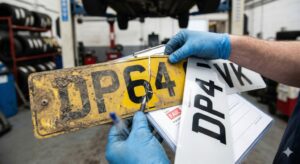
Because registration plates are a key identification feature of every vehicle, MOT testers must ensure they meet legal visibility standards. This means plates must be clean, intact, and easy to read from a distance. Minor imperfections might seem harmless, but once they affect legibility, the plate may no longer meet the required standard.
Understanding how different types of damage affect number plates can help drivers decide when it is time for cleaning, repair, or replacement before the MOT.
Why plate condition matters during an MOT
The purpose of a number plate is simple: it allows a vehicle to be identified quickly and accurately. This is important not only for police and enforcement agencies but also for safety systems such as automatic number plate recognition cameras.
If the characters on a plate become difficult to read due to damage or deterioration, the plate fails to perform its basic function. That is why MOT testers pay close attention to the condition of both the front and rear plates.
While a small mark or surface scratch is unlikely to cause an issue, larger problems that affect readability will raise concern. If the tester believes the characters cannot be clearly distinguished, the vehicle could receive a failure.
The impact of dirt and road grime
One of the simplest yet most common problems is dirt. Vehicles driven regularly in wet or muddy conditions can quickly accumulate grime on the rear plate, particularly during winter when road salt and spray build up on the back of the car.
If dirt obscures even part of a character, it can reduce the plate’s visibility. While this is usually a temporary issue rather than permanent damage, it can still cause problems during an inspection if the plate is heavily covered.
Fortunately, this is also the easiest issue to solve. A quick clean with warm water and mild detergent is often all that is needed to restore full clarity. Making this part of a pre-MOT routine can eliminate one of the simplest reasons for concern.
Cracks and physical damage
Cracks are another common issue that can affect number plates. These often appear near mounting points where screws hold the plate in place. Over time, vibration and exposure to weather can cause small fractures in the plastic material.
While minor cracks may not immediately affect visibility, larger ones can distort the plate or break through the characters themselves. If a crack runs through a letter or number, it can make the character harder to read and may lead to a failure during testing.
Broken corners, chipped surfaces, or bent plates can also create problems. Any damage that alters the shape of the plate or interferes with character clarity should be addressed before the MOT.
Fading and sun damage
Another form of deterioration that drivers often overlook is fading. Over many years of exposure to sunlight, the black characters on a number plate can gradually lose their sharp contrast against the reflective background.
When this happens, the plate may appear dull or slightly grey rather than deep black. Although the characters are technically still present, reduced contrast can affect visibility, particularly in low light or poor weather conditions.
The reflective background itself can also deteriorate. If the reflective coating begins to peel or lose its brightness, the plate may no longer perform properly when illuminated by headlights.
Because fading happens gradually, it is easy for drivers to overlook until the plate becomes noticeably worn.
When replacement becomes necessary
There comes a point when cleaning or minor adjustments are no longer enough to restore a plate to a suitable condition. If cracks, fading, or other damage affect readability, replacing the plate is usually the best solution.
New plates are relatively inexpensive and easy to install, making replacement a straightforward way to ensure compliance. Many drivers choose to replace older plates before an MOT simply to avoid any risk of failure related to visibility.
Suppliers such as Regplates can provide replacement plates that meet current UK standards, ensuring the correct materials, reflective surfaces, and formatting are used.
A small detail that protects a smooth MOT
Number plates may seem like a minor part of a vehicle, but their condition plays an important role in meeting road regulations. Dirt, cracks, and fading can gradually reduce clarity, turning what begins as cosmetic wear into a compliance issue.
By checking plates regularly and addressing damage early, drivers can prevent unnecessary MOT complications. A clean, undamaged plate not only keeps a vehicle within the rules but also ensures it can always be clearly identified on the road.

How to Plan a Safer, Longer-Lasting Industrial Metal Fabrication Project in Lufkin, Texas

How to Keep Phoenix, Arizona Homes Pest-Ready During Monsoon Season
Floating Dock Contractors and the Basics of a Stable Dock System

How to Judge a Mountain Home Before You Buy in Aspen, Colorado

Building A Better Commercial Painting Plan From Prep To Completion

What Makes Legal Marketing Different From Marketing Almost Anything Else?

Why Bar Stools Can Completely Change the Feel of a Kitchen
Ways Proper Garage Door Installation Improves Performance

How to Compare Maine Neighborhoods Before Buying a Home in 2026

The Future of Home EV Charging: Trends, Benefits, and What Drivers Need to Know
Building A Better Commercial Painting Plan From Prep To Completion
How to Judge a Mountain Home Before You Buy in Aspen, Colorado
Floating Dock Contractors and the Basics of a Stable Dock System
How to Keep Phoenix, Arizona Homes Pest-Ready During Monsoon Season