
Home Improvement
Choosing the Right Tools for Tree Pruning: Efficiency and Safety Considerations

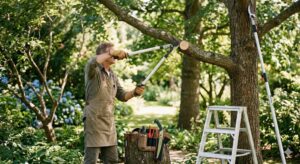
Tree pruning is an important part of maintaining healthy, well-shaped trees, but the tools you use can make a big difference in both the results and the experience. Whether you are caring for a garden, maintaining outdoor spaces, or simply keeping trees tidy, choosing the right equipment helps make the process easier, safer, and more effective. Using tools that match the size and type of work ensures cleaner cuts, better tree health, and less effort overall.
One of the first things to consider is matching the tool to the task. Not all branches are the same, and using the wrong equipment can lead to poor results or unnecessary strain. For smaller branches, hand pruners or secateurs are usually the best option. They allow for precise, controlled cuts, which is important for helping trees heal properly. Clean cuts reduce the risk of disease and encourage healthier regrowth, making them essential for routine maintenance.
For medium-sized branches, loppers provide extra reach and cutting power. Their longer handles make it easier to apply force without excessive effort, which is particularly helpful when dealing with thicker growth. They also allow you to reach slightly higher or deeper into a tree without needing additional support, making pruning more efficient and comfortable.
When branches become too thick for loppers, pruning saws are the tool of choice. These are designed to cut through heavier wood with ease, making them ideal for larger or more established trees. Using a saw instead of forcing smaller tools to do the job not only speeds up the process but also helps prevent damage to both the tree and the tool.
Efficiency and safety often go hand in hand when pruning. Using well-designed, sharp tools gives you better control and reduces the chance of slipping or making uneven cuts. Advice from experienced suppliers such as Garden Machinery Direct highlights how choosing reliable equipment can improve both the quality of your work and your overall safety. When tools are comfortable to use and suited to the task, the entire process becomes smoother and more manageable.
Reach is another important factor, especially when dealing with taller trees. Telescopic or extendable tools allow you to prune higher branches without needing ladders, which can reduce the risk of accidents. These tools are particularly useful for maintaining trees in a safe and controlled way, as they allow you to work from the ground while still accessing difficult areas.
The quality of the cut itself plays a major role in tree health. Rough or jagged cuts can leave trees open to pests and disease, while clean, smooth cuts heal more quickly. This is why using sharp, well-maintained tools is so important. Regularly sharpening blades and keeping tools clean helps ensure they continue to perform effectively and safely.
Maintenance of your equipment is just as important as the initial choice. Over time, blades can become dull and less efficient, requiring more effort to use and increasing the risk of damage. Keeping tools in good condition not only makes pruning easier but also extends their lifespan, making them a more reliable part of your toolkit.
Another consideration is whether to use manual or powered tools. Manual tools are often sufficient for smaller jobs and offer greater control, while powered tools can make larger tasks quicker and less physically demanding. For bigger pruning jobs, electric or petrol-powered tools can save time and effort, although they do require careful handling and proper safety precautions.
Ultimately, choosing the right tools for tree pruning is about making the job safer, easier, and more effective. By using equipment that suits the task, maintaining it properly, and focusing on clean, precise cuts, it is possible to care for trees in a way that supports both their health and their appearance. With the right approach, pruning becomes a straightforward and rewarding part of maintaining outdoor spaces.

Building A Better Commercial Painting Plan From Prep To Completion

What Makes Legal Marketing Different From Marketing Almost Anything Else?

Why Bar Stools Can Completely Change the Feel of a Kitchen
Ways Proper Garage Door Installation Improves Performance

How to Compare Maine Neighborhoods Before Buying a Home in 2026

The Future of Home EV Charging: Trends, Benefits, and What Drivers Need to Know

How Septic Tank Pumping Services in Huntsville AL Protect Soil Absorption Systems

Foundation Crack Repair Using Injection Methods

How do you know when you need to change your primary care doctor
The Importance of Accurate Inventories Before Moving Day
Ways Proper Garage Door Installation Improves Performance
What Makes Legal Marketing Different From Marketing Almost Anything Else?
Why Bar Stools Can Completely Change the Feel of a Kitchen