
Business
The Impact of Quality Electrical Installations on Operational Uptime

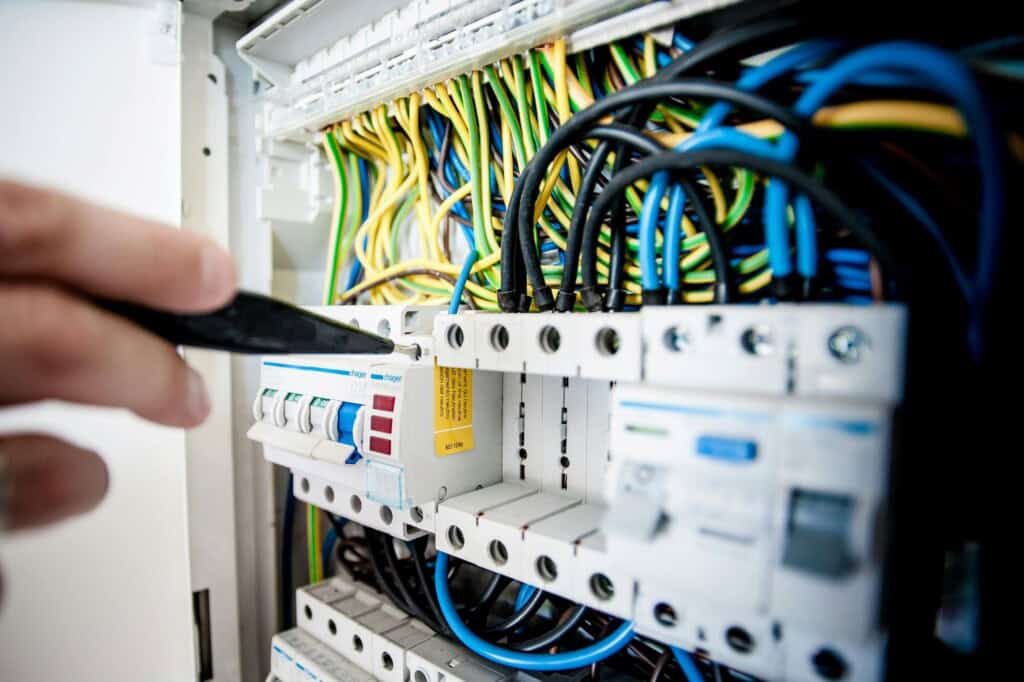
Operational uptime drives your business forward. Every minute of downtime costs money, disrupts schedules, and frustrates customers. Yet many companies overlook the role of electrical systems until something fails. That’s a mistake. Reliable power isn’t simply about keeping the lights on. It’s about protecting productivity, safety, and growth.
In this article, you’ll see how quality electrical work directly supports uptime. You’ll learn why investing in professional systems pays off, and how smart planning keeps your operations running without interruption.
Direct Link Between Electrical Reliability and Uptime
Downtime often starts with small electrical faults. Loose connections, poor materials, or neglected systems can trigger outages that halt production. When you work with a contractor who specializes in quality electrical installations, you reduce those risks. Reliable systems prevent sudden failures and protect sensitive machinery.
Reliable systems depend on more than good wiring. Every component plays a role in uptime. For example, quality circuit breakers act as safeguards that stop overloads before they damage machinery. When installed correctly, they keep your operations steady and prevent costly interruptions.
Safety as a Foundation for Productivity
Safety forms the foundation of uptime and productivity. Electrical faults don’t just cause hazards. They stop work, delay schedules, and drain resources. Fires, shocks, or accidents force operations to a halt, leaving teams idle and output stalled.
By following strict safety standards such as proper grounding, circuit protection, and compliance with national codes, you reduce risks that lead to downtime. Safe systems mean fewer incidents, and fewer incidents mean smoother operations that keep productivity on track.
Even specialized setups, like landscape lighting around commercial properties, highlight the importance of safe design. Outdoor systems that are properly installed and compliant reduce the risks of electrical faults that could interrupt business activity. When safety extends to every part of your property, you maintain reliability across the board and protect uptime from unexpected disruptions.
Efficiency Gains From Proper Installations
Efficiency goes beyond saving energy. It’s also about reducing strain on your systems. Proper layouts, balanced loads, and correct electrical wiring keep power flowing smoothly. That stability extends the life of your equipment and reduces the chance of sudden breakdowns.
Modern solutions like smart meters add another layer of control. They provide real-time data on consumption, helping you manage loads and identify inefficiencies. Improved energy efficiency reduces unnecessary wear on components and creates consistent operating conditions, which helps systems run reliably and supports longer uptime.
Cost Savings Through Quality Installations
Cutting corners on electrical work may save money upfront, but it costs more in the long run. A single hour of downtime can wipe out any savings. Quality installations reduce repair bills and protect against losses.
However, those installations are only as effective as the support behind them. Investing in reliable power services ensures that the systems you put in place continue to perform as intended, with components chosen and installed to meet professional standards. Well‑planned upgrades keep systems aligned with operational needs and reduce the risk of faults that lead to costly interruptions.
Instead of facing repeated fixes, businesses that prioritize quality in electrical installations benefit from lower lifetime costs and greater system resilience. Building systems to last turns electrical reliability into a financial advantage, protecting both uptime and the bottom line.
Scalability and Future-Proofing
Your business grows, so your systems should grow with it. Quality installations make upgrades easier and less disruptive. Modular setups and clear layouts allow you to expand without shutting down operations.
Growth often brings new technologies that place fresh demands on electrical systems. For example, integrating renewable energy through solar installation projects requires careful installation planning to ensure compatibility with existing wiring, load management, and safety standards.
Even technical details such as DC/AC configurations become critical, since balanced systems allow diverse equipment to work together without strain. With this kind of foresight, future expansion becomes smoother, and uptime is protected during transitions.
Monitoring and Maintenance Enabled by Quality Installations
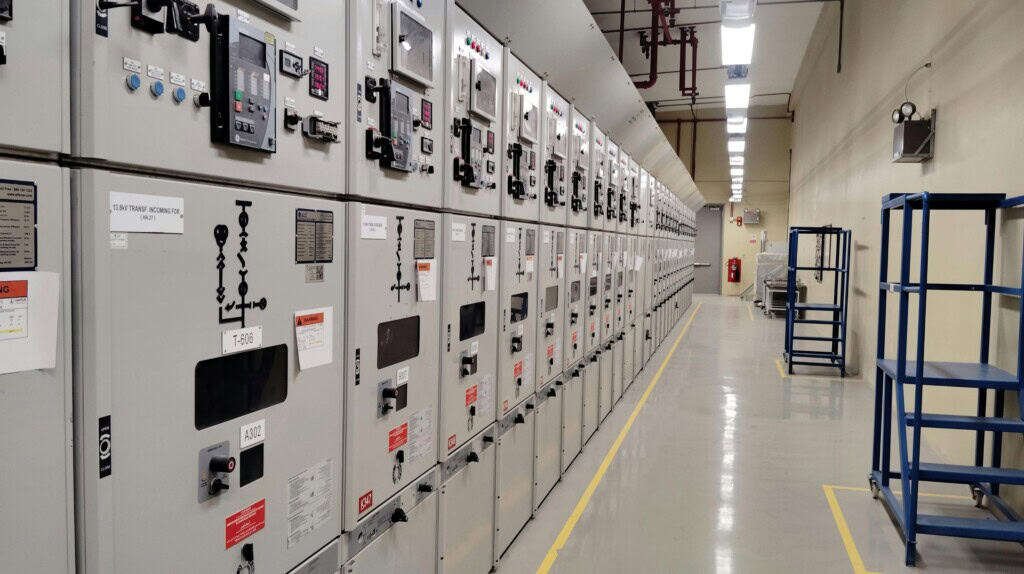
Quality installations make monitoring easier. Organized layouts and accessible systems allow for regular inspection and testing, so issues can be identified before they become worse. Predictive maintenance becomes practical, and downtime becomes less likely.
Monitoring tools provide clear performance data that supports planned maintenance schedules instead of reactive fixes. This visibility helps you spot inefficiencies early and keep systems running at their intended capacity.
Early detection keeps production lines moving and prevents costly surprises. Structured installations combined with modern monitoring give businesses a proactive approach to maintenance that protects uptime and extends equipment life.
Final Thoughts
Operational uptime isn’t luck. It’s the result of smart choices and reliable systems. Quality electrical work protects safety, boosts efficiency, saves money, and supports growth. When you prioritize reliability, you build resilience into your business.
The takeaway is simple. Treat electrical quality as a strategic advantage. When you invest in systems that last, you secure your operations, protect your people, and keep your future on track.

Building A Better Commercial Painting Plan From Prep To Completion

What Makes Legal Marketing Different From Marketing Almost Anything Else?

Why Bar Stools Can Completely Change the Feel of a Kitchen
Ways Proper Garage Door Installation Improves Performance

How to Compare Maine Neighborhoods Before Buying a Home in 2026

The Future of Home EV Charging: Trends, Benefits, and What Drivers Need to Know

How Septic Tank Pumping Services in Huntsville AL Protect Soil Absorption Systems

Foundation Crack Repair Using Injection Methods

How do you know when you need to change your primary care doctor
The Importance of Accurate Inventories Before Moving Day
Ways Proper Garage Door Installation Improves Performance
What Makes Legal Marketing Different From Marketing Almost Anything Else?
Why Bar Stools Can Completely Change the Feel of a Kitchen