
Business
Choosing the Right Trailer for Efficient Material Handling

Key Takeaways
- Understanding your specific hauling needs is essential for selecting the right trailer.
- Consider factors such as load capacity, trailer type, and safety features.
- Regular maintenance ensures the longevity and optimal performance of your trailer.
Efficient material handling is at the core of streamlined business operations and cost management. Whether you are moving equipment for construction, agriculture, or industrial purposes, your choice of trailer can significantly influence productivity and safety. For businesses looking to invest in the right handling trailer, understanding the details behind different trailer types and their features is crucial.
Assessing your hauling needs at the outset helps prevent costly errors in purchasing or operations. From load weight to the environment in which the trailer is used, every factor matters in ensuring the material is transported securely and efficiently. Establishing these criteria not only maximizes the value of your investment but also supports smoother day-to-day logistics.
New buyers often underestimate the impact of trailer selection on operational efficiency. A mismatched trailer can lead to unnecessary downtime, increased maintenance, and even safety concerns. By focusing on durable and well-designed trailers tailored to your needs, you can sidestep many of these common pitfalls.
After identifying your primary hauling requirements, it is equally important to assess ongoing maintenance and regulatory responsibilities. These considerations guarantee safe operation and long-term reliability.
Assess Your Hauling Requirements
The first step in choosing an effective trailer is analyzing the specifics of your cargo. Start by reviewing the weight and size of what you are moving. Overloading a trailer can put undue stress on its structural elements and result in accidents or breakdowns, while an oversized model often makes maneuvering difficult and incurs higher costs. A trailer with a capacity ten to twenty percent greater than your routine hauls provides the optimal balance between flexibility and efficiency. This extra buffer can accommodate the occasional unexpected item without pushing your trailer beyond safe limits.
Choose the Appropriate Trailer Type
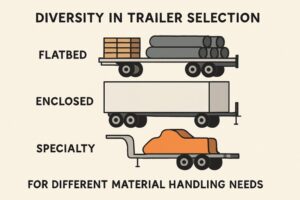
Trailers come in a variety of shapes and functions to match distinct hauling challenges. Flatbed trailers offer versatility for transporting bulky machinery or palletized goods. Their open design allows for easy loading and unloading from all sides, although they lack weather protection. In contrast, enclosed trailers shield cargo from rain, dust, and theft, making them ideal for sensitive or high-value items. Specialty trailers, such as tilt or dump trailers, are available for tasks that require specialized loading features.
Prioritize Safety Features
Safety is paramount in haulage operations. Essential trailer safety features include certified lighting systems, reliable electric brakes, and sturdy safety chains. Ensure all these elements are tested and well-maintained prior to each trip to reduce the risk of collisions or cargo loss. Many modern trailers also come equipped with stability control and anti-sway technology, further increasing safety margins.
Consider Material and Build Quality
Durability is strongly influenced by the material used in your trailer’s construction. Steel is tough and ideal for demanding applications, but it requires periodic repainting or rust treatment, especially in wet or coastal climates. Aluminum trailers are lighter and corrosion-resistant, offering easier handling and lower long-term maintenance costs despite their higher initial price. Check the welds, frame thickness, and flooring materials to ensure the trailer meets industry standards and your usage requirements.
Regular Maintenance is Key
Regular inspection and prompt repairs are central to prolonging the service life of trailers and preventing breakdowns. Schedule periodic checks for tire condition, brake systems, electrical wiring, and the overall integrity of the frame and critical fasteners. Lubricate moving hinges and couplers as needed to minimize wear. Proper documentation of each maintenance check helps spot trends and address recurring concerns before they escalate into costly failures.
Understand Legal and Regulatory Requirements
Legal standards for trailers can vary widely by jurisdiction. Key regulations cover axle weight and width limits, lighting requirements, and whether a special license or permit is required for transport. Staying compliant prevents fines and ensures your team operates equipment safely and in compliance with the law. When hauling across state lines, always review and adhere to the transportation rules of each region you travel through.
Seek Professional Advice
When uncertainty strikes, a seasoned trailer dealer or material handling expert can offer detailed recommendations tailored to your unique needs. Consultation with specialists ensures you do not overlook critical options, such as advanced suspension systems or specialized hitch types. Industry professionals can also advise on proper towing practices and regulatory compliance, helping you build confidence in selecting and using your trailer.
In summary, the right trailer is an investment in safety, efficiency, and long-term cost savings. By thoroughly evaluating your needs, prioritizing robust features, and maintaining routine checks, you not only protect your investment but also elevate your team’s overall productivity and reliability.
Conclusion
In conclusion, selecting the right trailer requires a thoughtful balance of capacity, type, safety, materials, and maintenance practices. By carefully assessing your hauling needs and choosing a trailer built to handle both everyday and occasional demands, you ensure efficiency and operational safety. Prioritizing high-quality construction, essential safety features, and regulatory compliance safeguards both cargo and personnel. Regular upkeep and professional guidance further extend the trailer’s lifespan while minimizing unexpected downtime or costly repairs. Ultimately, a well-chosen, properly maintained trailer becomes a reliable tool that supports productivity, reduces risk, and provides long-term value for any hauling operation.

Building A Better Commercial Painting Plan From Prep To Completion

What Makes Legal Marketing Different From Marketing Almost Anything Else?

Why Bar Stools Can Completely Change the Feel of a Kitchen
Ways Proper Garage Door Installation Improves Performance

How to Compare Maine Neighborhoods Before Buying a Home in 2026

The Future of Home EV Charging: Trends, Benefits, and What Drivers Need to Know

How Septic Tank Pumping Services in Huntsville AL Protect Soil Absorption Systems

Foundation Crack Repair Using Injection Methods

How do you know when you need to change your primary care doctor
The Importance of Accurate Inventories Before Moving Day
Ways Proper Garage Door Installation Improves Performance
What Makes Legal Marketing Different From Marketing Almost Anything Else?
Why Bar Stools Can Completely Change the Feel of a Kitchen