
Technology
An In-depth Look at Hybrid Cars

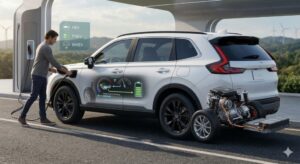
Hybrid cars have become an increasingly popular choice for drivers who want better fuel efficiency and lower emissions without completely switching to fully electric vehicles. By combining traditional engine technology with modern electric systems, hybrids offer a balanced approach to transportation that blends performance, efficiency, and convenience.
Understanding how hybrid cars work and what benefits they provide can help drivers decide whether this type of vehicle fits their lifestyle and driving habits.
What Exactly Is a Hybrid Car?
A hybrid car is a vehicle that uses two power sources to operate: a conventional internal combustion engine and an electric motor powered by a battery. These two systems work together to move the vehicle while improving overall efficiency.
The electric motor can assist the gasoline engine during acceleration or power the car independently at lower speeds. When more power is needed, such as during highway driving, the gasoline engine takes over or works alongside the electric motor. This intelligent combination helps reduce fuel consumption and emissions compared to traditional vehicles.
How Hybrid Technology Works
Hybrid vehicles rely on a complex system that manages the interaction between the engine, electric motor, and battery. At lower speeds or in stop-and-go traffic, the electric motor often powers the vehicle using stored energy from the battery. As speed increases, the gasoline engine engages to provide additional power and maintain efficiency.
The vehicle’s onboard computer determines the most efficient way to distribute power between these systems. By constantly adjusting how energy is used, hybrids are able to maximize fuel economy without sacrificing performance.
However, not all hybrids operate in the same way. Several different hybrid systems exist, each designed to suit different driving needs.
- Full hybrids (HEVs) can drive using the electric motor, the gasoline engine, or a combination of both.
- Plug-in hybrids (PHEVs) have larger batteries that can be charged externally, allowing them to travel longer distances using electricity alone.
- Mild hybrids (MHEVs) provide electric assistance to the engine but cannot run solely on electric power.
Each type offers a different balance of efficiency, performance, and convenience. When exploring options for hybrid models, shoppers often review dealership listings and compare available Honda hybrid inventory to see which vehicles offer the features, performance, and efficiency they are looking for.
They Offer Regenerative Braking
One of the most innovative features in hybrid vehicles is regenerative braking. In traditional vehicles, braking wastes energy by converting motion into heat through friction. Hybrid vehicles capture some of that lost energy and convert it back into electricity. This electricity is then stored in the battery for later use. By recovering energy that would normally be lost, regenerative braking improves overall efficiency and reduces fuel consumption. The benefits don’t stop there. Another advantage of this technology is reduced wear on braking components, which can lead to lower maintenance costs over time.
Environmental and Efficiency Benefits
Hybrid cars are designed to reduce fuel use and lower emissions compared to conventional gasoline vehicles. The electric motor assists the engine during acceleration and city driving, helping reduce fuel consumption. In many cases, hybrids can reduce greenhouse gas emissions by roughly 20% compared to standard gas-powered vehicles, helping contribute to cleaner air and a smaller carbon footprint. For drivers who want improved fuel efficiency without relying entirely on electric charging infrastructure, hybrid vehicles provide a practical middle ground.
Technology in Modern Hybrids
Modern hybrid vehicles often come equipped with advanced technology designed to improve the driving experience. These features can include smart energy management systems, digital dashboards that display energy flow, and driver-assistance safety technologies.
Is a Hybrid Car Right for You?
Hybrid vehicles appeal to a wide range of drivers, particularly those who want improved fuel economy and reduced emissions without changing their fueling habits. Because hybrids do not typically require external charging, they remain convenient for drivers who may not have access to charging stations.
By blending gasoline and electric technology, hybrid cars offer a practical step toward cleaner transportation while maintaining the flexibility of traditional vehicles. As more manufacturers expand their inventory and hybrid technology continues to improve, these vehicles are likely to remain an important part of the automotive landscape.

How to Plan a Safer, Longer-Lasting Industrial Metal Fabrication Project in Lufkin, Texas

How to Keep Phoenix, Arizona Homes Pest-Ready During Monsoon Season
Floating Dock Contractors and the Basics of a Stable Dock System

How to Judge a Mountain Home Before You Buy in Aspen, Colorado

Building A Better Commercial Painting Plan From Prep To Completion

What Makes Legal Marketing Different From Marketing Almost Anything Else?

Why Bar Stools Can Completely Change the Feel of a Kitchen
Ways Proper Garage Door Installation Improves Performance

How to Compare Maine Neighborhoods Before Buying a Home in 2026

The Future of Home EV Charging: Trends, Benefits, and What Drivers Need to Know
Building A Better Commercial Painting Plan From Prep To Completion
Floating Dock Contractors and the Basics of a Stable Dock System
How to Judge a Mountain Home Before You Buy in Aspen, Colorado
How to Keep Phoenix, Arizona Homes Pest-Ready During Monsoon Season