
Technology
Digital Receipts: Transforming Transactions for a Sustainable Future

Key Takeaways:
- Digital receipts are rapidly replacing paper receipts, offering environmental, economic, and health benefits.
- Businesses adopting digital receipts can enhance customer experience and streamline operations.
- Global trends and regulations are accelerating the shift towards paperless transactions.
Table of Contents:
- Introduction
- Environmental Impact of Paper Receipts
- Health Concerns Associated with Thermal Paper
- Economic Benefits of Digital Receipts
- Enhancing Customer Experience
- Global Trends and Regulations
- Implementing Digital Receipts in Businesses
- Final Thoughts
Introduction
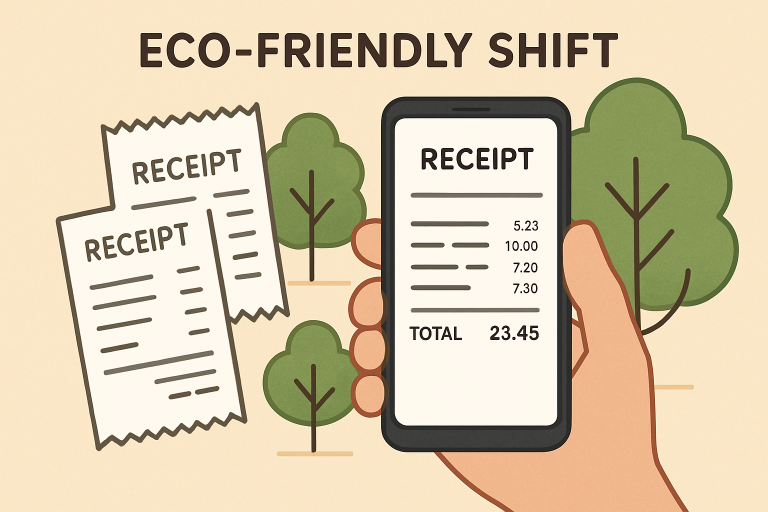
The way consumers and businesses handle transactions is evolving rapidly, with digital receipts playing a central role in this transformation. As concerns about sustainability and operational efficiency gain momentum, paper-based systems are increasingly being replaced by digital solutions, driven by both regulatory shifts and changing consumer expectations. Businesses leveraging receipt software are well-positioned to take advantage of this trend, reducing their reliance on physical receipts and offering a streamlined experience for all parties.
Digital receipts are more than a convenience. They represent a fundamental shift toward a more sustainable and data-driven approach to financial documentation. By enabling the storage, retrieval, and organization of receipts in a secure digital format, both businesses and consumers benefit from greater accessibility and reduced environmental impact.
As technology and digital finance intersect, the adoption of digital receipts is emerging as a strategy for future-proofing brick-and-mortar and e-commerce businesses alike. Not only do digital receipts help reduce waste, but they also create opportunities to foster customer loyalty and offer personalized experiences at the register.
From better compliance with environmental policies to improved health standards and innovative integrations with marketing analytics, digital receipts are shaping the next era of commerce. Retailers of every size can use this transition as a differentiator in an increasingly competitive marketplace.
Environmental Impact of Paper Receipts
The environmental toll of paper receipts is significant and largely underestimated. Each year, the global production of paper receipts consumes over 250 million gallons of oil, 10 million trees, and 1 billion gallons of water, contributing massively to deforestation and industrial waste. Paper receipts are seldom recycled due to their coating and chemical composition, exacerbating landfill issues and hindering sustainability efforts.
Switching to digital receipts dramatically reduces resource consumption at every stage, from production and transportation to disposal. By minimizing reliance on paper, ink, and other consumables, organizations contribute directly to environmental conservation.
Health Concerns Associated with Thermal Paper
A significant share of paper receipts is printed on thermal paper, which contains bisphenol chemicals like BPA and BPS. These substances have garnered widespread concern as they are known endocrine disruptors. Retail workers and consumers who routinely handle receipts can absorb these chemicals through skin contact, with studies suggesting a possible link to hormone disruption and other health risks. According to CNN news coverage, experts urge minimizing contact with thermal receipts and highlight digital receipts as a safer alternative.
Digital receipts eliminate the need for thermal paper, reducing the risk of harmful chemical exposure for consumers and employees. As more health-conscious individuals seek out businesses that prioritize safety and sustainability, offering digital receipts aligns with elevated health standards in contemporary retail environments.
Economic Benefits of Digital Receipts
Financial incentives are a strong driver in the move toward digital receipts. Businesses can cut costs substantially by eliminating expenses for paper, ink, maintenance, and storage. The automation and digitization of receipt generation reduce administrative overhead and error risk compared to manual tracking, offering savings that add up quickly, especially for high-transaction businesses.
Digital receipts facilitate seamless bookkeeping and auditing, expediting expense reporting and tax documentation for both businesses and their customers. This efficiency translates to improved employee productivity and reduced workload, allowing staff to focus on higher-value tasks.
Enhancing Customer Experience
Offering digital receipts improves customer service in many ways. Customers can receive receipts instantly via email or text, store them securely, and access them when needed for returns, warranties, or expense reports. This convenience reduces friction when resolving transaction disputes and minimizes the likelihood of lost or damaged proofs of purchase. Integration with loyalty programs and targeted marketing also opens the door to more engaging post-purchase interactions and reward opportunities.
Digital receipts are inherently searchable and easy to organize, making them valuable for both personal finance management and business accounting. Shoppers appreciate the added convenience, which can enhance brand loyalty and repeat business.
Global Trends and Regulations
Regulatory efforts worldwide are accelerating the adoption of digital receipts. France’s Anti-Waste and Circular Economy (AGEC) law restricts the automatic printing of paper receipts, promoting alternatives such as digital proof of purchase. Italy is introducing mandatory digital receipts for large retailers by 2027, with an industry-wide rollout by 2029. These measures are echoed in other regions, highlighting a global trend toward reducing physical waste and prioritizing sustainable commerce strategies. Major retail associations and international governing bodies back these transitions as part of larger eco-initiatives.
Implementing Digital Receipts in Businesses
Businesses interested in transitioning to digital receipts can take several concrete steps to ensure a smooth process. Investing in adaptable point-of-sale systems that enable electronic receipt generation and secure transmission is essential. Employee training and customer communication are critical in anticipating questions and promoting adoption. Robust data security frameworks must be established to safeguard sensitive customer information and to comply with regulatory guidelines. With digital infrastructure in place, businesses can tap into powerful analytics to better understand consumer preferences and optimize marketing strategies.
- Invest in Technology: Deploy modern POS solutions that generate digital receipts in multiple formats.
- Educate Staff and Customers: Actively share the benefits of digital receipts and guide users through the new process.
- Ensure Data Security: Implement up-to-date security protocols to protect digital receipt data and maintain compliance.
- Leverage Analytics: Use receipt data to gain actionable insights and tailor marketing and inventory decisions.
Final Thoughts
The momentum toward digital receipts is transforming transactions worldwide. By adopting paperless practices, businesses can reduce costs, meet regulatory requirements, enhance customer satisfaction, and support healthier, greener communities. As global trends increasingly favor digital solutions, now is the ideal time for organizations to modernize their transaction processes and take an active role in shaping a more sustainable and efficient future.

How to Plan a Safer, Longer-Lasting Industrial Metal Fabrication Project in Lufkin, Texas

How to Keep Phoenix, Arizona Homes Pest-Ready During Monsoon Season
Floating Dock Contractors and the Basics of a Stable Dock System

How to Judge a Mountain Home Before You Buy in Aspen, Colorado

Building A Better Commercial Painting Plan From Prep To Completion

What Makes Legal Marketing Different From Marketing Almost Anything Else?

Why Bar Stools Can Completely Change the Feel of a Kitchen
Ways Proper Garage Door Installation Improves Performance

How to Compare Maine Neighborhoods Before Buying a Home in 2026

The Future of Home EV Charging: Trends, Benefits, and What Drivers Need to Know
Building A Better Commercial Painting Plan From Prep To Completion
How to Judge a Mountain Home Before You Buy in Aspen, Colorado
Floating Dock Contractors and the Basics of a Stable Dock System
How to Keep Phoenix, Arizona Homes Pest-Ready During Monsoon Season