
Career
How Activity-Based School Trips Help Develop Future Workplace Skills

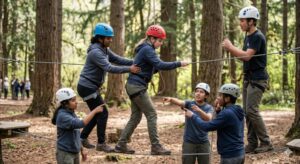
Preparing young people for the workplace is no longer limited to academic achievement alone. Employers increasingly value soft skills such as communication, teamwork, adaptability, and problem-solving—qualities that are not always fully developed within a traditional classroom setting. Activity-based school trips have emerged as a powerful way to bridge this gap, offering practical experiences that help students build capabilities directly relevant to future careers. By placing students in new environments and encouraging collaboration, these trips create conditions where essential workplace skills can develop naturally.
One of the most significant benefits of activity-based trips is the emphasis on teamwork. In many workplace environments, success depends on the ability to work effectively with others, often under time pressure or in unfamiliar situations. School trips that involve group challenges—whether physical, creative, or strategic—require students to communicate clearly, share responsibilities, and support one another to achieve a common goal. These experiences mirror real-world working conditions, where collaboration is key. Students quickly learn that listening to others, contributing ideas, and adapting to group dynamics are all essential to success.
Communication is another skill that develops rapidly in these settings. Outside the classroom, students are encouraged to express themselves more openly, whether they are discussing strategies, giving instructions, or reflecting on their experiences. This kind of interaction helps build confidence in speaking and listening, both of which are highly valued in professional environments. Importantly, communication on these trips is often practical and immediate, reinforcing the idea that clear and effective dialogue leads to better outcomes.
Problem-solving is also central to many activity-based experiences. Challenges are often designed to push students beyond their comfort zones, requiring them to think critically and respond to unexpected situations. This could involve navigating a task with limited resources, overcoming obstacles as a team, or finding creative solutions under pressure. These scenarios encourage students to approach problems with a solution-focused mindset, a skill that is directly transferable to the workplace. Learning how to assess a situation, consider different options, and make decisions is invaluable in almost any career path.
Adaptability is another key area of development. Unlike structured classroom lessons, activity-based trips often involve changing conditions, new environments, and unfamiliar routines. Students must adjust quickly, learning to remain flexible and open to new experiences. In a professional context, adaptability is essential, particularly in industries that are constantly evolving. By experiencing change in a supportive environment, students become more comfortable with uncertainty and better equipped to handle it in the future.
Leadership skills can also emerge during these trips, even among students who may not typically take on leadership roles. Group activities often create opportunities for individuals to step forward, guide others, and take responsibility for outcomes. This might involve organising a team approach, motivating peers, or making decisions on behalf of the group. These early experiences of leadership help students understand what it means to take initiative and support others, laying the groundwork for future professional development.
Resilience is another important outcome. Activity-based challenges are not always easy, and students may encounter setbacks or difficulties along the way. Learning how to cope with these challenges, persist, and try again builds mental resilience. In the workplace, the ability to handle pressure, recover from setbacks, and maintain a positive attitude is highly valued. Experiencing and overcoming challenges in a non-academic setting helps students develop this resilience in a practical and memorable way.
Time management and responsibility also play a role in these experiences. Many trips involve schedules, group coordination, and shared responsibilities, requiring students to manage their time effectively and contribute to the overall success of the group. These skills are directly applicable to professional life, where meeting deadlines and managing workloads are essential.
Importantly, activity-based school trips also help students gain a better understanding of themselves. By trying new activities and working in different group settings, they can identify their strengths and areas for improvement. This self-awareness is a valuable asset in the workplace, where understanding one’s abilities can guide career choices and personal development.
Experiences at destinations such as Manor & Ashbury Resorts highlight how structured activity programmes can support this kind of growth. By combining a wide range of activities with a supportive environment, these trips create opportunities for students to develop skills that extend far beyond the classroom.
Looking ahead, the importance of preparing young people for the workplace will only continue to grow. While academic knowledge remains essential, it is the combination of knowledge and practical skills that truly sets individuals apart. Activity-based school trips provide a unique opportunity to develop these skills in a meaningful and engaging way.
By encouraging teamwork, communication, problem-solving, and resilience, these experiences help shape individuals who are better prepared for the demands of modern working life.

How to Plan a Safer, Longer-Lasting Industrial Metal Fabrication Project in Lufkin, Texas

How to Keep Phoenix, Arizona Homes Pest-Ready During Monsoon Season
Floating Dock Contractors and the Basics of a Stable Dock System

How to Judge a Mountain Home Before You Buy in Aspen, Colorado

Building A Better Commercial Painting Plan From Prep To Completion

What Makes Legal Marketing Different From Marketing Almost Anything Else?

Why Bar Stools Can Completely Change the Feel of a Kitchen
Ways Proper Garage Door Installation Improves Performance

How to Compare Maine Neighborhoods Before Buying a Home in 2026

The Future of Home EV Charging: Trends, Benefits, and What Drivers Need to Know
Building A Better Commercial Painting Plan From Prep To Completion
How to Judge a Mountain Home Before You Buy in Aspen, Colorado
Floating Dock Contractors and the Basics of a Stable Dock System
How to Keep Phoenix, Arizona Homes Pest-Ready During Monsoon Season