
Technology
How Technology Is Shaping the Future of Recruitment

Table of Contents
- AI in Recruitment
- Mobile Recruiting
- Social Media’s Influence
- Balancing Technology and Human Touch
- Challenges and Ethical Considerations
- Future Trends
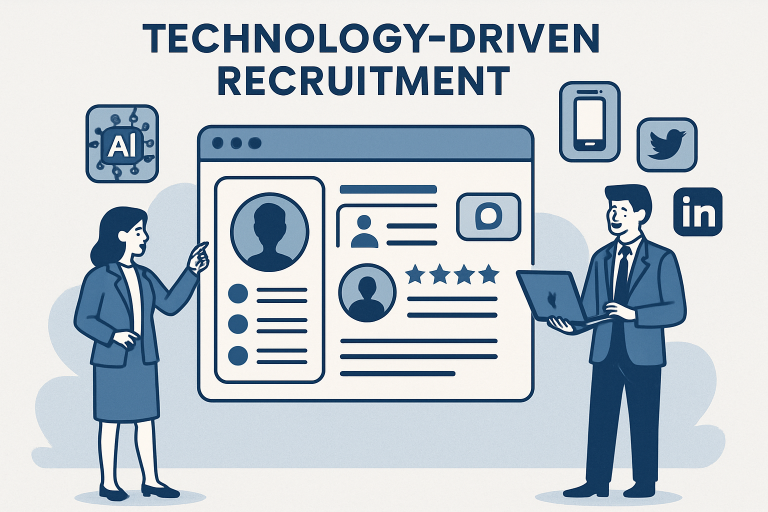
The recruitment landscape is changing rapidly as new technologies come to market. Companies are shifting away from traditional processes toward digital solutions that speed up hiring and improve decision-making. Tools such as artificial intelligence, mobile recruiting, and social platforms are vital for teams trying to remain competitive in a fast-moving talent market. For organizations looking to streamline their hiring workflow, the best ATS software is becoming the gold standard. These innovations not only attract high-quality candidates but also create more efficient and inclusive processes for both recruiters and applicants.
As organizations adapt to meet candidates’ expectations, technology empowers them to reach broader talent pools, communicate more effectively, and hire with greater accuracy. Embracing these shifts is no longer just an option; it is a strategic necessity to remain relevant and productive. Whether through automation, data analytics, or new ways of engaging candidates, technology is offering creative solutions for age-old recruiting challenges. For more insights on how automation is transforming HR, you can read about the latest trends in this article from the Society for Human Resource Management.
AI in Recruitment
Artificial intelligence is making a huge impact on how recruiters select talent. Many processes that were once slow or prone to bias, such as resume screening and candidate matching, are now automated. AI-driven software quickly sifts through thousands of resumes and applies algorithms to identify candidates who meet a position’s requirements. For example, international corporations like Unilever have adopted AI to screen vast candidate pools. Their process now takes weeks instead of months and has reportedly led to better hires by cutting out unconscious bias and inconsistency.
For hiring teams, this means a substantial reduction in admin time and the ability to focus on strategic tasks. AI can evaluate not just skills and experience, but also soft skills and cultural fit by analyzing candidates’ responses in digital interviews. Truly effective hiring now relies on these advanced systems to remove guesswork and boost objectivity.
Mobile Recruiting
The rise of smartphones has fundamentally changed how candidates search for and apply for jobs. The majority of job seekers now use mobile devices as their primary tool, which means organizations must have mobile-optimized career sites and application processes. Whether it is reading job descriptions or uploading resumes, candidates expect every touchpoint to work seamlessly on their phones.
Studies indicate that over 89 percent of job hunters consider their mobile phone indispensable in their job search. Being mobile-friendly is no longer a value-add; it is a requirement for any company hoping to attract top talent. Investing in mobile recruiting accelerates application rates and creates a modern, accessible experience for every user.
Social Media’s Influence
Social media has become a central pillar of modern recruitment. Platforms like LinkedIn, Twitter, and Facebook allow recruiters to find candidates who may not be active on traditional job boards. Social recruiting leverages shared connections, targeted ads, and interactive content to attract both active and passive candidates, building relationships before the first interview.
Additionally, employer branding on these platforms is critical for attracting talent in a competitive market. By showcasing company culture, sharing success stories, and participating in industry conversations, organizations make themselves more recognizable and desirable to potential applicants. For more on the rise of social media recruitment, check out this piece by Forbes.
Balancing Technology and Human Touch
Even with the proliferation of automation and analytics, the human element remains irreplaceable in recruitment. Technology frees up recruiters to form deeper relationships with candidates and understand motivations and aspirations that algorithms cannot capture. Nuances like cultural fit, personality, and potential are still best assessed through conversations and personal interactions.
The most successful recruitment processes blend innovation with empathy. Automation handles repetitive tasks, allowing recruiters to focus on meaningful dialogue with potential hires and ensuring a more engaging, memorable candidate experience.
Challenges and Ethical Considerations
Integrating technology into hiring workflows is not without risks. Automated tools and AI algorithms can inadvertently introduce new forms of bias if developers fail to monitor them closely. There are also important privacy considerations when handling sensitive candidate data. To address these concerns, recruiters must regularly audit AI-driven processes to ensure fairness and transparency at every step.
It is also essential to comply with global data protection regulations and commit to the ethical treatment of applicant information. Creating strong boundaries and rules about what technologies are used and how they are controlled is pivotal for sustaining trust with job candidates.
Future Trends
The future of recruitment will see even greater integration of advanced technology. Predictive analytics will become more accurate, providing insight into talent trends and anticipated hiring needs. Some organizations are already exploring virtual reality for immersive interviews and onboarding, as well as blockchain tools to securely and quickly verify credentials.
Staying ahead of these trends will be essential for companies that want to remain innovative and appealing to skilled professionals. Adapting early allows businesses to shape their own future, rather than react to it, cementing them as leaders in the race for talent.
In summary, technology is redefining every stage of the recruitment process, from sourcing candidates to making final hiring decisions. By adopting these digital solutions and maintaining a commitment to fair, human-centered recruitment, organizations can build stronger teams for the challenges of tomorrow.

How to Plan a Safer, Longer-Lasting Industrial Metal Fabrication Project in Lufkin, Texas

How to Keep Phoenix, Arizona Homes Pest-Ready During Monsoon Season
Floating Dock Contractors and the Basics of a Stable Dock System

How to Judge a Mountain Home Before You Buy in Aspen, Colorado

Building A Better Commercial Painting Plan From Prep To Completion

What Makes Legal Marketing Different From Marketing Almost Anything Else?

Why Bar Stools Can Completely Change the Feel of a Kitchen
Ways Proper Garage Door Installation Improves Performance

How to Compare Maine Neighborhoods Before Buying a Home in 2026

The Future of Home EV Charging: Trends, Benefits, and What Drivers Need to Know
Building A Better Commercial Painting Plan From Prep To Completion
How to Judge a Mountain Home Before You Buy in Aspen, Colorado
Floating Dock Contractors and the Basics of a Stable Dock System
How to Keep Phoenix, Arizona Homes Pest-Ready During Monsoon Season