
Career
How Digital Learning Is Shaping Continuing Education for Accountants

Key Takeaways
- Digital learning platforms offer flexible and accessible continuing education for accountants.
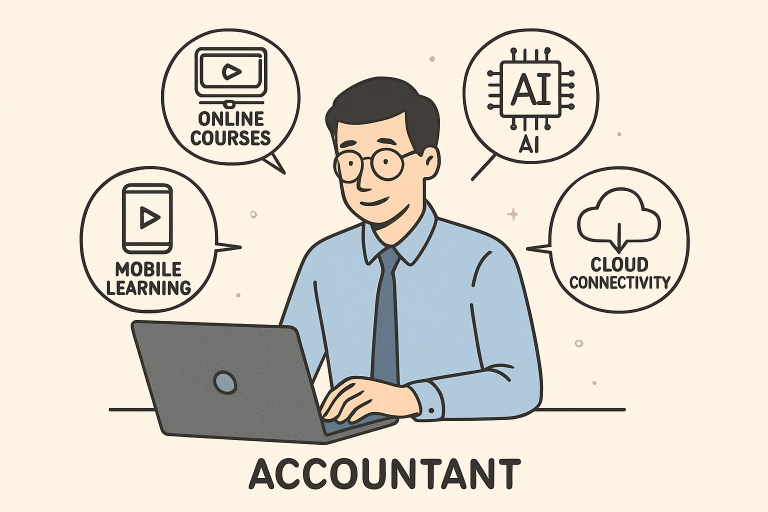
- Technological advancements, such as AI and mobile learning, enhance personalized education experiences.
- Online courses and webinars provide cost-effective, up-to-date content tailored to industry needs.
Table of Contents
- The Rise of Online Learning Platforms
- Flexibility and Accessibility
- Integration of AI and Personalized Learning
- Mobile Learning: Education on the Go
- Cost-Effectiveness of Digital Education
- Staying Current with Industry Trends
- Challenges and Considerations
- Conclusion
Staying ahead in accounting requires perpetual learning and adaptation. With financial regulations and technology evolving at breakneck speed, accountants who ignore ongoing education risk falling behind. Today, digital platforms have opened new doors—granting professionals unprecedented flexibility and access to up-to-date educational resources. For those seeking to advance their skills or earn specialized credentials, obtaining an oil and gas accountant certification is now more accessible than ever through these innovative digital platforms.
Whether juggling full-time work and family commitments or seeking to deepen expertise in niche sectors, modern accountants benefit tremendously from personalized, tech-enabled educational solutions. These advancements empower learners with tailored pathways, ensuring knowledge aligns with rapidly shifting industry requirements.
The integration of artificial intelligence, mobile access, and regularly updated content means today’s accounting professionals can continuously improve their expertise without the traditional barriers of location, time, or cost. This surge in digital learning is not only reshaping the way accountants approach continuing education but is also setting new standards for professional growth and compliance.
As accountants face mounting pressure to deliver accurate, compliant, and forward-thinking guidance, leveraging digital learning tools is no longer optional—it’s essential for career resilience and success.
The Rise of Online Learning Platforms
Over the past decade, online learning platforms have grown from secondary supplements into primary pathways for earning continuing professional education (CPE) credits. Accountants can choose from a variety of accredited sites, each providing on-demand courses, interactive webinars, and certification tracks. Notably, these platforms can be accessed globally, providing learners with exposure to a broader range of accounting standards—crucial for those serving multinational clients. As reported by Accounting Today, the move to virtual classrooms has dramatically increased accessibility and engagement in continuing education for CPAs and industry specialists alike.
Flexibility and Accessibility
Traditional, in-person seminars required significant time away from the office, costly travel, and rigid schedules. Digital education platforms eliminate these obstacles, allowing accountants to fit lessons into their own routines. Self-paced modules, live Q&A sessions, and downloadable resources make scheduling conflicts a thing of the past. Accessibility extends further—many programs now feature assistive technologies and language options, helping individuals with disabilities or those who are non-native English speakers to benefit fully from the content.
Integration of AI and Personalized Learning
The adoption of artificial intelligence in online education is creating highly individualized learning journeys. By analyzing real-time learner data—such as quiz results, time spent, and topic performance—platforms can recommend modules that target specific weaknesses or introduce advanced concepts where proficiency has already been demonstrated. This ongoing feedback loop not only increases retention but also keeps accountants focused on the most relevant knowledge for their role or sector. For example, AI can accelerate user progression in tax regulations or auditing guidelines if these areas are trending in recent legislative changes. Insights from Forbes highlight how these intelligent systems streamline study efforts for busy professionals.
Mobile Learning: Education on the Go
The rise of smartphones and tablets has transformed the way professionals approach their continuing education. Mobile-friendly courses enable users to switch seamlessly between desktop and phone, ensuring productivity on commutes, during client meetings, or during travel downtime. Features like push notifications for upcoming deadlines, interactive quizzes, and discussion boards further drive engagement, making professional development a continuous, on-the-go process for accountants.
Cost-Effectiveness of Digital Education
Online continuing education is not just more convenient—it’s significantly more affordable. Course fees are often lower than their in-person equivalents, and virtual attendance means no outlay for travel or accommodations. Additionally, many platforms offer subscription-based pricing or bulk course discounts for organizations, allowing firms to upskill entire teams cost-effectively. For accountants at small practices or sole proprietors, this democratizes high-quality education and levels the professional playing field.
Staying Current with Industry Trends
Accounting standards are in a constant state of flux, with new regulations, technological standards, and reporting frameworks emerging annually. Digital course providers excel at rapidly updating their materials to reflect these shifts, helping practitioners avoid compliance pitfalls. Accountants can quickly access content on pressing topics such as cryptocurrency reporting, ESG (environmental, social, and governance) considerations, or evolving tax laws—often weeks or months ahead of what might be covered in traditional course settings.
Challenges and Considerations
Despite the clear benefits, virtual learning comes with its own challenges. Self-discipline is essential—without the structure of an in-person classroom, some learners struggle to consistently engage or complete assignments. The digital environment may also lack the networking and mentorship opportunities found in traditional settings. As the industry evolves, it’s essential to select reputable providers with stringent content standards and interactive components that promote community engagement and accountability. Reviewing third-party accreditations and user feedback can help ensure the quality of online offerings.
Conclusion
Digital learning is now at the heart of continuing education for accountants, offering flexibility, accessibility, and cost savings that were previously unimaginable. By leveraging mobile technology, AI-powered personalization, and constantly updated content, today’s professionals can stay both compliant and competitive—ready to meet their clients’ needs and confidently embrace the future of accounting.

How to Plan a Safer, Longer-Lasting Industrial Metal Fabrication Project in Lufkin, Texas

How to Keep Phoenix, Arizona Homes Pest-Ready During Monsoon Season
Floating Dock Contractors and the Basics of a Stable Dock System

How to Judge a Mountain Home Before You Buy in Aspen, Colorado

Building A Better Commercial Painting Plan From Prep To Completion

What Makes Legal Marketing Different From Marketing Almost Anything Else?

Why Bar Stools Can Completely Change the Feel of a Kitchen
Ways Proper Garage Door Installation Improves Performance

How to Compare Maine Neighborhoods Before Buying a Home in 2026

The Future of Home EV Charging: Trends, Benefits, and What Drivers Need to Know
Building A Better Commercial Painting Plan From Prep To Completion
How to Judge a Mountain Home Before You Buy in Aspen, Colorado
Floating Dock Contractors and the Basics of a Stable Dock System
How to Keep Phoenix, Arizona Homes Pest-Ready During Monsoon Season