
Business
How Safety Consultants Help Businesses Manage WHS Risks

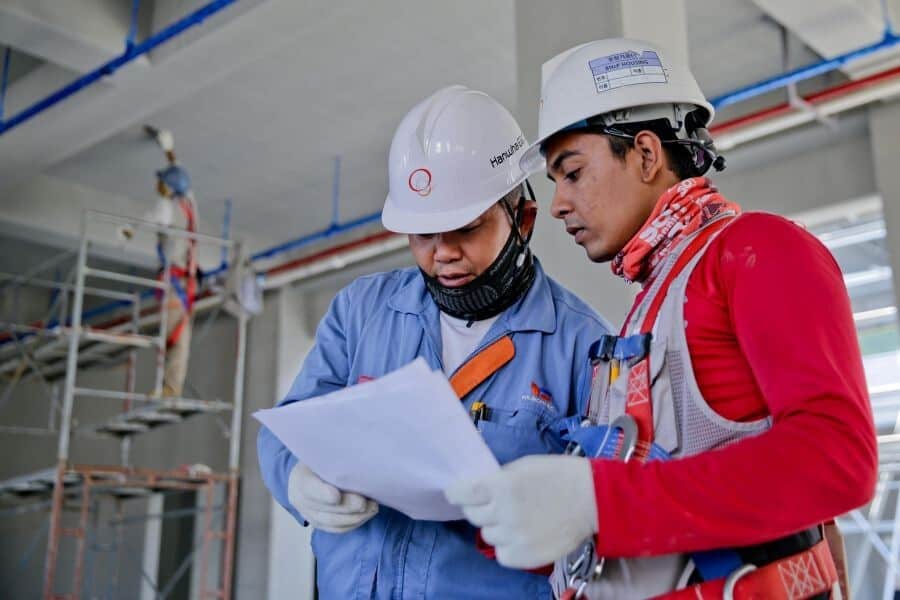
Workplace health and safety (WHS) can feel like a lot to handle, especially as a business grows or takes on new responsibilities. There are regulations to follow, risks to assess, and people to protect. For many businesses, keeping up with all of this while running day-to-day operations can stretch resources thin.
That’s where safety consultants come in. They work alongside businesses to make sense of WHS requirements and turn them into clear, practical actions. Instead of adding complexity, they help simplify the process and make safety part of how work gets done.
Here are a few ways a safety consultant can help your business manage WHS risks:
Helps You Understand Your Risks
Every workplace carries different risks. A construction site faces unique challenges compared to an office or a retail warehouse. Health, safety, environment, and quality (HSEQ) consultants look closely at how a business operates to spot hazards that might not be obvious during a standard walkthrough.
These experts evaluate the physical workspace, review existing processes, and interview the team. This builds a clear picture of potential vulnerabilities. Professional guidance helps prioritize which issues need immediate attention.
Focused insight makes risk management more manageable for busy owners. Strategic planning replaces guesswork, providing a clear understanding of the hazards that matter most.
The key is finding the right HSEQ safety consultants with a proven track record in your industry. The right partner won’t just point out risks. They’ll help you understand them in context and show you how to manage them in a way that fits your day-to-day operations.
Turns Regulations Into Practical Steps
WHS laws and standards can be hard to interpret. Regulatory language isn’t always straightforward, and many leaders can be unsure about which specific rules apply to their unique operations.
Safety consultants translate these complex mandates into steps a team can actually use. These experts ensure full compliance by connecting legal standards directly to daily tasks and responsibilities. This approach makes safety feel structured and manageable rather than overwhelming.
Clear risk management plans ensure every team member knows exactly which actions to take and when. This structure supports superior occupational safety practices across the business without adding unnecessary operational pressure.
Builds Systems That Work Day to Day
Effective safety plans only work if a team can follow them without hesitation. Safety consultants prioritize building systems that integrate into a daily routine rather than interrupting it.
These experts develop simple processes for safety inspections and regular worksite reviews that become a natural part of normal operations. Practical design ensures these checks remain uncomplicated, allowing teams to complete them without slowing down their primary tasks.
Active hazard elimination happens through strategic adjustments to processes or physical environments. Consistent application of these small changes reduces long-term risks significantly while maintaining peak operational efficiency.
Supports Training and Awareness
Effective safety systems rely entirely on a team understanding how to apply them. Strategic training programs play a vital role in bridging this knowledge gap.
Safety consultants design training sessions that mirror the real-world situations a team faces daily. Practical relevance takes priority over abstract theory, helping employees connect new information directly to their tasks.
Experienced consultants bring deep health and safety knowledge to every session. This expertise ensures complex concepts remain easy to follow and implement. Consistent training schedules improve situational awareness and strengthen safety performance across the workplace.
Guides You on How to Respond to Incidents
Incidents can occur even with strong systems in place. Effective responses focus on what a business learns from these situations to prevent future occurrences.
Safety consultants guide this critical process through structured reviews and comprehensive safety audits. These experts analyze the sequence of events, identify root causes, and suggest practical improvements. This objective approach prioritizes organizational learning over assigning individual blame.
Regular safety auditing tracks ongoing progress and highlights specific areas requiring attention. Consistent reviews help refine internal systems and ensure a safety strategy evolves alongside the business.
Helps Build a Safety Culture
Effective workplace safety goes beyond simple compliance and rules. Everyday thoughts and actions define the true safety standards of an organization.
Safety consultants support businesses by building habits that encourage consistently safer choices. These experts help shape a safety program that feels relevant and integrates seamlessly into daily work.
Strategic guidance improves long-term safety performance and encourages teams to take shared responsibility for their environment. Practical integration ensures safety remains a natural part of the workflow rather than an additional burden.
Offers an Outside Perspective
Familiar environments can hide risks that internal teams may struggle to spot. Routine daily activities can mask emerging issues that slowly build over time.
Safety consultants provide an objective outside view to uncover these hidden gaps. Structured worksite reviews and safety inspections identify patterns that internal staff might overlook. This professional detachment ensures no hazard remains unaddressed due to workplace familiarity.
Broad experience across multiple industries allows consultants to suggest highly practical adjustments. These insights strengthen hazard recognition and ensure teams address risks long before they escalate into serious incidents.
Keeps Your Approach Up to Date
Workplaces evolve constantly as new equipment, staff, and projects introduce unique safety risks. Static plans quickly become obsolete without regular updates.
Safety consultants ensure every process remains current through consistent reviews and updates. These experts recommend regular safety audits and fresh safety assessments to verify that internal systems accurately reflect daily operations.
Specialized support for project safety staffing provides essential oversight during large or complex transitions. This professional coordination keeps safety aligned with operational goals, removing the burden of manual oversight from busy leadership teams.
Conclusion
Effective WHS risk management is most successful when it’s part of how a business operates. Safety consultants can help bring structure to that process. They make it easier to understand risks, follow regulations, and build systems that teams can use every day. With the right support, you can respond to challenges with more clarity and consistency.

Building A Better Commercial Painting Plan From Prep To Completion

What Makes Legal Marketing Different From Marketing Almost Anything Else?

Why Bar Stools Can Completely Change the Feel of a Kitchen
Ways Proper Garage Door Installation Improves Performance

How to Compare Maine Neighborhoods Before Buying a Home in 2026

The Future of Home EV Charging: Trends, Benefits, and What Drivers Need to Know

How Septic Tank Pumping Services in Huntsville AL Protect Soil Absorption Systems

Foundation Crack Repair Using Injection Methods

How do you know when you need to change your primary care doctor
The Importance of Accurate Inventories Before Moving Day
Ways Proper Garage Door Installation Improves Performance
What Makes Legal Marketing Different From Marketing Almost Anything Else?
Why Bar Stools Can Completely Change the Feel of a Kitchen