
Business
How Modern Training Operations Drive Organizational Efficiency

Key Takeaways
- Aligning training initiatives with business goals fosters efficiency and strategic impact.
- Modern LMS solutions deliver scalable, personalized, and data-driven learning experiences.
- Integrating AI and immersive technology creates engaging, adaptable training environments.
- Blended learning supports diverse needs, maximizing knowledge transfer and retention.
- Investment in soft skills and psychological capital leads to resilient, satisfied employees.
In the era of digital transformation, organizations know that efficient, targeted training translates directly into better business performance and a lasting competitive advantage. Modern training operations are no longer a matter of occasional seminars—they’re the foundation on which business agility and innovation are built. By implementing advanced platforms such as scalable training operations software, organizations can continually evolve their approaches, tailoring learning experiences that drive productivity, engagement, and adaptability across the enterprise.
Traditional, inflexible training models leave organizations struggling to respond to change. Instead, modern solutions automate, personalize, and manage the entire training lifecycle, aligning it with organizational goals. Strategic L&D investments go beyond compliance—they empower teams to develop the critical capabilities required for long-term success in fast-paced markets.
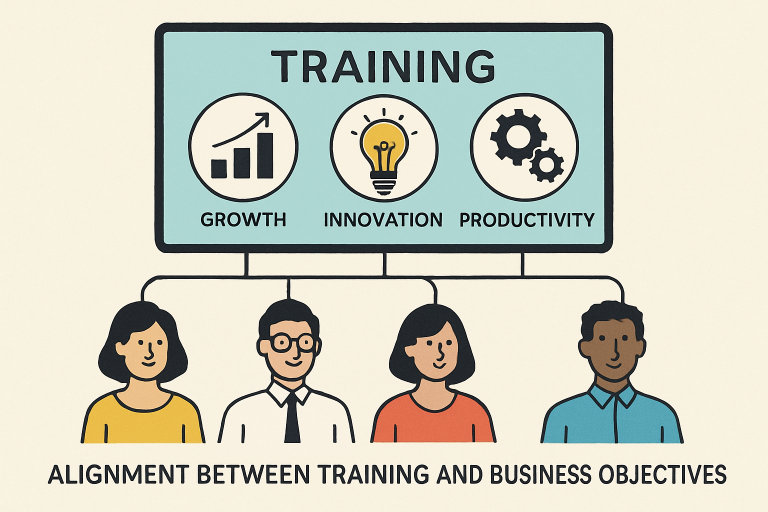
Aligning Training with Business Objectives
Effective training isn’t just about knowledge transfer—it’s about driving measurable change aligned with what matters most to the organization. The majority of L&D leaders report that it’s vital for training objectives to be directly linked to business outcomes. Yet, only 18% say their programs form a true strategic partnership with the business. According to Forbes, learning programs that align closely with business goals deliver far greater value, ensuring that employees’ growth contributes meaningfully to organizational success.
Organizations committed to aligning training with their objectives focus on integrating L&D into broader strategic initiatives. This involves engaging stakeholders to define priorities, using analytics to measure training effectiveness, and adjusting programs to address evolving business challenges such as customer satisfaction, productivity improvements, and digital adoption. Linking employee development directly to performance metrics ensures training is never an afterthought.
Leveraging Learning Management Systems for Scalability
The evolution of Learning Management Systems (LMS) has enabled organizations to deploy training at scale while ensuring a personalized learning journey for each employee. Leading platforms now integrate artificial intelligence to deliver adaptive learning—curating course content, identifying gaps, and recommending development paths based on real-time data. Organizations such as Deloitte have demonstrated that data-driven, scalable ecosystems help pinpoint skill shortages and accelerate development, transforming the traditional training pipeline into a dynamic, self-improving system.
Enhanced by automation and real-time analytics, LMS tools empower managers to track completion rates, proficiency improvements, and business impact, allowing for rapid iteration and optimization of learning campaigns. Employees benefit through targeted interventions, microlearning, and mobile access—freed from the rigid calendar blocks of yesteryear.
Integrating AI and Immersive Technologies
Artificial intelligence and immersive technologies are radically reshaping how organizations deliver learning. AI-powered chatbots, personalized content recommendations, and adaptive assessments raise both engagement and relevance. Meanwhile, virtual reality (VR) and augmented reality (AR) provide experiential learning—a key factor in driving practical skill retention and preparing employees for real-life scenarios.
For industries requiring hands-on training—such as healthcare, manufacturing, or logistics—immersion through VR has proven to accelerate competency and decrease error rates.
Implementing Blended Learning Approaches
Blended learning—combining instructor-led sessions, workshops, digital courses, and on-the-job resources—meets the varied preferences and needs of today’s learners. This approach allows organizations to integrate the best from virtual formats and traditional face-to-face instruction, fostering engagement, collaboration, and flexibility. Technical training thrives in blended environments, where digital simulations reinforce classroom learning and social platforms facilitate peer learning. The result is higher engagement, faster skill application, and measurable business improvements.
Focusing on Soft Skills and Psychological Capital
As automation takes on more routine tasks, soft skills—such as effective communication, emotional intelligence, and adaptability—become even more critical for organizational success. Programs emphasizing resilience and psychological capital (optimism, confidence, and perseverance) not only help employees manage stress but also enhance satisfaction and performance. When employees feel empowered to cope with change and ambiguity, companies benefit from lower turnover, greater innovation, and stronger cultures.
Enhancing Employee Satisfaction and Retention
Modern training operations are pivotal for creating a positive employee experience. Personalized, engaging training paths show employees their growth is valued, directly supporting higher satisfaction and lower attrition rates. Additionally, incorporating safety, compliance, and wellness into training frameworks helps foster a safer, more resilient work environment, thereby strengthening the organization’s reputation.
Conclusion
Driving organizational efficiency through modernized training operations is no longer a luxury—it’s a strategic necessity. By aligning L&D with business priorities, leveraging the latest technology, and fostering both technical and soft skills, organizations can future-proof their workforces for ongoing success.

Building A Better Commercial Painting Plan From Prep To Completion

What Makes Legal Marketing Different From Marketing Almost Anything Else?

Why Bar Stools Can Completely Change the Feel of a Kitchen
Ways Proper Garage Door Installation Improves Performance

How to Compare Maine Neighborhoods Before Buying a Home in 2026

The Future of Home EV Charging: Trends, Benefits, and What Drivers Need to Know

How Septic Tank Pumping Services in Huntsville AL Protect Soil Absorption Systems

Foundation Crack Repair Using Injection Methods

How do you know when you need to change your primary care doctor
The Importance of Accurate Inventories Before Moving Day
Ways Proper Garage Door Installation Improves Performance
What Makes Legal Marketing Different From Marketing Almost Anything Else?
Why Bar Stools Can Completely Change the Feel of a Kitchen