
Technology
AI’s Transformative Role in Wealth Management: Trends and Insights for 2026

Key Takeaways:
- AI adoption in wealth management is rapidly accelerating, with a significant rise in budgets planned over the next 3-5 years.
- Agentic AI is shifting the landscape by autonomously executing complex tasks, resulting in greater operational efficiency.
- AI-powered predictive analytics are becoming essential tools for client engagement and smarter investment decisions.
- Hybrid advisory models that combine human expertise with AI are reshaping the client service experience.
- Financial advice is reaching broader audiences thanks to AI, making high-quality guidance more widely available.
The wealth management sector is experiencing a rapid technological shift, reshaping how firms operate, engage with clients, and design investment strategies. Artificial intelligence plays a central role in this evolution, enhancing decision-making processes and expanding access to sophisticated financial guidance. As these tools continue to advance, solutions related to artificial intelligence investment management are becoming increasingly important for firms seeking to stay competitive and deliver more personalized services.
Approaching 2026, the conversation in wealth management is moving from whether AI will be influential to how firms can accelerate adoption and drive the best results. Now, as advisors and clients alike embrace new technologies, we see the early signs of an industry defined by smarter efficiency, more personalized engagement, and expanded accessibility.
AI’s growing role also reflects broader market forces. Increased complexity in global markets, regulatory pressures, and the need for real-time responsiveness have all contributed to a rising sense of urgency around technology-driven innovation in financial services. Used effectively, AI can help firms navigate these challenges while delivering tangible benefits to both clients and advisors.
From predictive modeling to automation, the evolving suite of AI-powered tools is set to fundamentally improve outcomes on both sides of the advisory relationship. Early adopters are already leveraging these capabilities to enhance client engagement and streamline operations, setting a new performance standard across the industry.
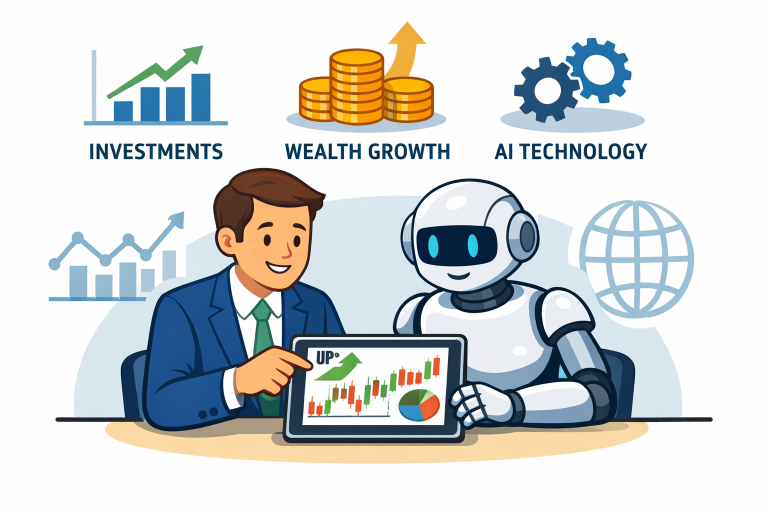
Accelerated AI Adoption and Investment
Over the next few years, investment in AI within wealth management is set to soar. Firms that once viewed AI as experimental are now making it a central element of their strategy. Analyst reports show that the portion of IT budgets dedicated to AI solutions could rise from 16 percent to approximately 37 percent between now and 2026, a testament to the anticipated return on investment and competitive edge provided by this technology. According to MSCI, leading firms are not only upgrading their software infrastructure but also retraining advisors to seamlessly integrate AI into their daily workflows.
This increased investment is also fostering a robust ecosystem of partnerships between wealth managers, technology firms, and startups specializing in machine learning and automation. By embracing external innovations and forming strategic alliances, traditional firms are ensuring they remain agile and competitive. The ability to quickly onboard and adapt new AI-driven tools will distinguish leading players in the industry, enabling them to capture share in a market that is swiftly changing. As more firms recognize the vital importance of AI, we expect to see an uptick in collaborative initiatives, consortia, and cross-industry sharing of best practices that spark further innovation.
The Emergence of Agentic AI
The industry is witnessing the rise of Agentic AI, a new generation of AI that autonomously manages multi-step processes with minimal human input. These digital agents can monitor market trends, identify portfolio risks, and even communicate routine updates to clients on behalf of human advisors. By delegating repetitive and complex tasks to AI, firms are freeing up advisors to focus on relationship-building and high-value activities. Use cases already in deployment include automated compliance monitoring, real-time risk alerts, and fully digital onboarding experiences.
Enhancing Decision-Making with Predictive Analytics
Predictive analytics, powered by AI, are now indispensable for wealth managers seeking an edge in a dynamic and often unpredictable market. By analyzing large volumes of historical, transactional, and behavioral data, AI-driven tools help advisors generate more accurate forecasts and tailor investment strategies to individual client preferences. These systems do not just flag opportunities; they also allow advisors to proactively identify potential risks and intervene early, which can be critical in volatile environments. By providing context-rich, actionable intelligence, predictive analytics are raising the bar for client service and risk management across the industry.
The rise of predictive analytics has also spurred innovation in personalized portfolio construction, allowing firms to deliver highly tailored recommendations based on a deep understanding of each client’s financial behaviors and aspirations. These advanced systems can detect patterns in market activity that would be nearly impossible for humans to identify, thus uncovering new asset classes, thematic investments, and risk management solutions. Clients, in turn, benefit from a more dynamic, adaptive approach—and advisors can better anticipate life events or spending needs well in advance.
The Shift to Hybrid Advisory Models
One of the most significant outcomes of AI adoption is the rise of hybrid advisory models. These approaches integrate automated systems with human judgment, leveraging the strengths of both for better outcomes. Investors increasingly value this balance. Studies indicate that over 90 percent of clients express comfort with AI tools for researching products and managing routine transactions. However, they still appreciate the trust and empathy of human advisors for major decisions. This evolution toward a collaborative approach is enabling firms to serve clients more effectively and efficiently, without sacrificing personalization or trust.
Democratization of Financial Advice
AI is breaking down long-standing barriers to high-quality financial guidance. Automated planning tools and robo-advisors are making sophisticated investment advice accessible to broader segments of the population, not just high-net-worth individuals. As costs decrease, more people gain access to tailored financial insights and the chance to participate in wealth-building strategies previously reserved for a select few. This democratizing effect is widely recognized by industry leaders as a critical step toward financial inclusion, aligning with global trends in digital transformation and greater customer empowerment.
Furthermore, as digital literacy increases across all age groups and demographics, the potential reach of AI-assisted wealth management services continues to expand. Community banks and fintech startups are also accelerating the adoption of automated tools, ensuring that underserved or traditionally overlooked populations gain access to financial expertise and resources. This shift not only levels the playing field for more investors but also fosters stronger, more inclusive economic growth worldwide.
Conclusion
Looking ahead to 2026, the transformative impact of AI on wealth management will continue to accelerate. With a new generation of intelligent tools, firms are building more resilient, responsive, and client-centric services. From boosting operational efficiency to broadening access to expert advice, AI stands to redefine what is possible in wealth management for both advisors and investors. As expectations evolve, those who embrace these changes will be best positioned to lead the industry forward.

Building A Better Commercial Painting Plan From Prep To Completion

What Makes Legal Marketing Different From Marketing Almost Anything Else?

Why Bar Stools Can Completely Change the Feel of a Kitchen
Ways Proper Garage Door Installation Improves Performance

How to Compare Maine Neighborhoods Before Buying a Home in 2026

The Future of Home EV Charging: Trends, Benefits, and What Drivers Need to Know

How Septic Tank Pumping Services in Huntsville AL Protect Soil Absorption Systems

Foundation Crack Repair Using Injection Methods

How do you know when you need to change your primary care doctor
The Importance of Accurate Inventories Before Moving Day
Ways Proper Garage Door Installation Improves Performance
What Makes Legal Marketing Different From Marketing Almost Anything Else?
Why Bar Stools Can Completely Change the Feel of a Kitchen