
Technology
How Vehicle Technology Is Transforming Everyday Driving

Key Takeaways
- Advanced Driver-Assistance Systems (ADAS) are enhancing road safety by automating essential vehicle functions and minimizing human error.
- Artificial Intelligence and automation are expediting accident assessments, claims, and vehicle maintenance notifications.
- Vehicle-to-Everything (V2X) communication systems are leading the future of connected, responsive driving environments.
- Augmented Reality dashboards deliver relevant data directly into drivers’ lines of sight, improving focus and safety.
- Biometric personalization and authentication provide tailored driver experiences and elevated vehicle security.
Recent advancements in vehicle technology are drastically reshaping the driving experience, bringing innovative solutions for safety, convenience, and connectivity to drivers everywhere. Whether you are considering a vehicle upgrade or simply curious about the latest trends in automotive design, understanding these technologies is more important than ever. For those interested in discovering the latest in vehicle features and expert support, Learn more about your options.
Today’s motorists benefit from smarter, more personalized driving thanks to new systems and tools that make cars safer and more enjoyable to drive. Technology is now at the forefront of improving vehicle security, enhancing infotainment options, and increasing overall driver satisfaction across all vehicle types.
With continuous advancements in artificial intelligence, connectivity, and driver-assist features, the way we interact with cars is rapidly evolving. This transformation is not only redefining how we operate vehicles but is also setting new standards for convenience and safety, both behind the wheel and on the road.
In this article, we will explore the key innovations that are driving today, from advanced safety technologies and intuitive car interfaces to adaptive vehicle systems that predict maintenance needs and minimize distractions.
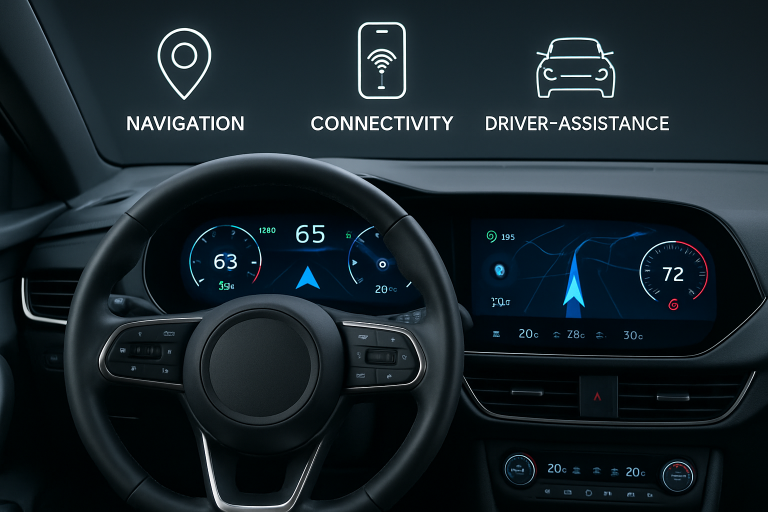
Advanced Driver-Assistance Systems (ADAS)
ADAS has become one of the most impactful safety milestones in recent automotive history. Features such as adaptive cruise control, lane-keeping assistance, and automatic emergency braking use cameras, radar, and sensors to keep drivers aware and vehicles operating securely. According to the National Highway Traffic Safety Administration, crash-avoidance technologies have reduced certain types of collisions and injuries, making roads safer for everyone.
Increasingly, automakers are incorporating ADAS as standard or optional features, ensuring a broader spectrum of drivers benefit from proactive safety measures. These systems can warn of or even prevent lane departures, automatically apply brakes to avoid collisions, and help maintain safer following distances. The growing prevalence of these capabilities is a key reason why newly manufactured vehicles are safer than ever.
Artificial Intelligence and Automation
Artificial Intelligence (AI) is at the heart of many new automotive advancements. In accident response and insurance claims, AI-powered platforms review images and sensor data to assess damage and estimate repairs in real time, vastly accelerating the claims process. In daily use, AI monitors vehicle health and predicts when maintenance will be necessary, notifying owners before issues become urgent.
Predictive maintenance saves owners money and prevents unexpected breakdowns by enabling timely repairs based on actual vehicle conditions rather than fixed intervals. This shift to data-driven maintenance has transformed how drivers approach car care and improved the efficiency of auto service centers. As noted by Forbes, predictive tech is one of the key reasons for fewer mechanical surprises on the road today.
Vehicle-to-Everything (V2X) Communication
V2X technology enables cars to communicate not only with one another but also with infrastructure such as traffic lights and roadside sensors. These systems provide drivers with real-time updates about traffic, hazardous road conditions, or construction zones. By communicating anticipated delays or potential dangers, V2X enables informed decision-making and smoother journeys.
This technology is pivotal for the evolution of smart cities, as it supports coordinated vehicle movement and more responsive public infrastructure. It is also a foundational element for the deployment of autonomous vehicles, as it enables continuous information exchange between the vehicle and its surroundings.
Augmented Reality Dashboards
Augmented Reality dashboards are a dramatic leap forward in vehicle user interfaces. By projecting navigation, speed, and hazard alerts onto the windshield, AR dashboards reduce the need for drivers to glance away from the road. This improvement in attention and focus makes for a safer driving experience, one where crucial information is always within view, not hidden behind screens or buttons.
Manufacturers are now rapidly expanding AR dashboard integration across their product lines, looking to make driving more intuitive and less distracting. Drivers benefit from smoother, more informed travel, especially in unfamiliar areas or complex road environments.
Biometric Systems for Personalization
The use of biometrics in vehicles is revolutionizing personalization. Fingerprint scanners and facial recognition systems now allow cars to automatically adjust seating, climate, and entertainment preferences according to the current driver’s identity. This creates a unique and secure experience tailored to each vehicle user.
Security is also improved, as biometric verification helps to prevent unauthorized access and operation of the vehicle. These enhancements make modern vehicles not only more convenient but also safer from theft and misuse.
Connected Car Technology
Connected-car features such as built-in Wi-Fi, real-time traffic updates, and over-the-air software updates are now commonplace in new models. These services keep vehicles up to date with the latest enhancements and safety features, improving driver satisfaction and convenience. Connectivity is turning vehicles into rolling smart devices, capable of seamless integration with our digital lives and ongoing technological improvements.
In-Car Entertainment and Infotainment Systems
Today’s vehicles offer advanced entertainment systems, with high-definition audio, streaming, and app integration that keep all occupants entertained on short commutes and long road trips alike. Touchscreen and voice controls allow easy and safe operation, keeping driver distraction to a minimum. Customizable settings ensure drivers and passengers enjoy a media experience tailored to their preferences.
Adaptive Vehicle Technologies
Adaptive technologies such as voice-activated assistants and predictive maintenance alerts provide drivers with timely, relevant information and hands-free control during travel. These features learn drivers’ habits and usage patterns, optimizing comfort and performance. The seamless integration of these technologies into everyday driving is making trips more enjoyable and safer for drivers everywhere.
With every new innovation, vehicles become more capable, safer, and better attuned to their drivers’ needs and preferences. Staying up to date on advances in vehicle technology ensures that all motorists can take advantage of the best that modern automotive engineering has to offer.

Building A Better Commercial Painting Plan From Prep To Completion

What Makes Legal Marketing Different From Marketing Almost Anything Else?

Why Bar Stools Can Completely Change the Feel of a Kitchen
Ways Proper Garage Door Installation Improves Performance

How to Compare Maine Neighborhoods Before Buying a Home in 2026

The Future of Home EV Charging: Trends, Benefits, and What Drivers Need to Know

How Septic Tank Pumping Services in Huntsville AL Protect Soil Absorption Systems

Foundation Crack Repair Using Injection Methods

How do you know when you need to change your primary care doctor
The Importance of Accurate Inventories Before Moving Day
Ways Proper Garage Door Installation Improves Performance
What Makes Legal Marketing Different From Marketing Almost Anything Else?
Why Bar Stools Can Completely Change the Feel of a Kitchen