
Dental
Innovations in Dental Technology: Transforming Oral Health Care

Table of Contents
- Artificial Intelligence in Diagnostics
- 3D Printing for Dental Prosthetics
- Teledentistry: Remote Dental Care
- Intraoral Cameras for Enhanced Visualization
- Laser Dentistry: Minimally Invasive Procedures
- Eco-Friendly Practices in Dentistry
- Virtual Reality for Patient Comfort
- Conclusion
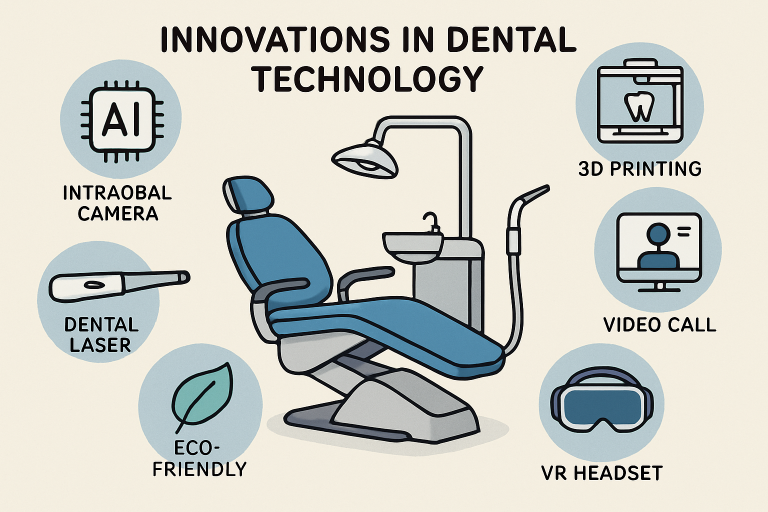
Modern dental technology is rapidly changing the oral health care landscape, providing more accurate diagnostics, faster treatments, and increased comfort for patients. With these innovations, dental care is more precise and accessible than ever before, leading to improved outcomes and patient satisfaction. One such advancement is the development of full arch restorations, such as All on X, which have redefined the approach to restoring smiles.
Whether through artificial intelligence or the integration of environmentally friendly practices, dentistry today is an exciting field where technological progress continues to elevate the patient experience. Clinics are adopting cutting-edge tools and processes that not only address oral health issues more efficiently but also minimize discomfort and recovery times. Embracing these technologies means patients can look forward to higher standards of care and more sustainable dental solutions.
Artificial Intelligence in Diagnostics
Artificial intelligence (AI) is revolutionizing dental diagnostics. AI-based tools can analyze digital X-rays and other dental images, providing rapid, accurate readings that help dentists spot cavities, gum disease, and even oral cancers much earlier than before. Early detection enables minimally invasive treatments and reduces the risk of complications. AI systems also enhance administrative processes by handling appointment scheduling and payment processing, allowing dental professionals to focus more on patient care. As this technology continues to evolve, more dental practices are turning to AI to improve service quality and maximize efficiency.
3D Printing for Dental Prosthetics
3D printing has had a transformative impact on the production of dental prosthetics. This technology allows dental professionals to create crowns, bridges, dentures, and surgical guides with precision and speed. Procedures that previously took weeks can now be completed in days or even hours, significantly reducing wait times and improving the fit of custom dental appliances. The ability to produce models in-house empowers dentists to serve patients with more personalized and cost-effective care. Many clinics now rely on 3D printing to streamline workflows and enhance patient satisfaction.
Teledentistry: Remote Dental Care
Teledentistry provides critical access to dental care for patients in rural areas or those with limited mobility. Virtual consultations enable patients to connect with dental experts from the comfort of home, eliminating travel barriers and expediting the diagnostic process. Whether seeking advice for oral pain, follow-up care after procedures, or preventive education, patients benefit from real-time communication and professional guidance. This innovation expands the reach of dental care and ensures timely intervention where in-person appointments may be difficult to arrange.
Intraoral Cameras for Enhanced Visualization
Intraoral cameras are compact devices used by dentists to capture high-resolution images and videos inside the mouth. These visuals allow for better diagnosis and treatment planning, as dentists can detect problems that may be invisible to the naked eye. Patients also benefit from seeing real-time images of their teeth and gums, leading to a deeper understanding of their oral conditions and a stronger commitment to recommended treatments. Intraoral cameras are valuable for building trust, facilitating more open conversations, and maintaining comprehensive patient records for future reference.
Laser Dentistry: Minimally Invasive Procedures
Laser dentistry has emerged as a minimally invasive solution for a variety of dental procedures. With the ability to target only diseased or decayed tissue, dental lasers minimize pain, bleeding, and swelling, resulting in faster recovery times for patients. Common uses include treating cavities, reshaping gums, removing bacteria during root canals, and activating whitening agents for cosmetic procedures. This technology is particularly advantageous for patients with dental anxiety, as lasers often require less anesthesia and cause less discomfort than traditional methods.
Eco-Friendly Practices in Dentistry
As sustainability becomes a priority across health care sectors, dental practices are adopting eco-friendly techniques to reduce their environmental footprint. Going paperless with digital records, using biodegradable products, and installing energy-efficient lighting and equipment are just a few steps modern clinics are taking. Proper waste management and recycling of dental materials help limit hazardous exposure to both the environment and patients. These initiatives not only promote a safer clinic environment but also support broader efforts to conserve resources and protect the planet for future generations.
Virtual Reality for Patient Comfort
Virtual reality (VR) is transforming the patient experience in dental clinics. Patients can wear VR headsets to become immersed in soothing virtual environments, significantly reducing anxiety and making procedures feel faster and less stressful. Additionally, VR serves as a sophisticated training tool for dental professionals, who can practice surgical techniques, patient interactions, and emergency protocols in simulated scenarios. This dual application of VR enhances both patient care and workforce skills, ensuring a higher level of competence in dental practices.
Conclusion
Dental technology continues to evolve, creating more innovative ways to diagnose, treat, and prevent oral health issues. From the enhanced accuracy of AI diagnostics to the convenience of teledentistry and eco-friendly initiatives that promote sustainability, these advancements are designed to improve both the patient experience and oral health outcomes. Staying informed about these trends allows patients and practitioners to make educated choices and embrace a brighter, healthier future for dental care.

Building A Better Commercial Painting Plan From Prep To Completion

What Makes Legal Marketing Different From Marketing Almost Anything Else?

Why Bar Stools Can Completely Change the Feel of a Kitchen
Ways Proper Garage Door Installation Improves Performance

How to Compare Maine Neighborhoods Before Buying a Home in 2026

The Future of Home EV Charging: Trends, Benefits, and What Drivers Need to Know

How Septic Tank Pumping Services in Huntsville AL Protect Soil Absorption Systems

Foundation Crack Repair Using Injection Methods

How do you know when you need to change your primary care doctor
The Importance of Accurate Inventories Before Moving Day
Ways Proper Garage Door Installation Improves Performance
What Makes Legal Marketing Different From Marketing Almost Anything Else?
Why Bar Stools Can Completely Change the Feel of a Kitchen