
Dental
The Role of Modern Dental Implants in Restoring Confidence

Key Takeaways
- Modern dental implants are designed to closely mimic natural teeth in both appearance and performance.
- State-of-the-art technologies have made dental implant procedures more precise and predictable than ever.
- Dental implants have a significant influence on self-esteem and mental well-being, providing social and psychological advantages.
Table of Contents
- Understanding Dental Implants
- Technological Advancements in Implantology
- Psychological Impact of Dental Implants
- The Implant Procedure: Step by Step
- Caring for Your Dental Implants
- Conclusion
Advancements in restorative dentistry have transformed the lives of people with missing teeth, offering realistic and lasting solutions. Modern dental implants provide much more than a functional replacement; they help restore natural smiles and self-assurance. People who have experienced the embarrassment or discomfort caused by tooth loss now have the opportunity to regain confidence in both personal and professional life. These improvements not only benefit appearance and oral function but also address important health concerns, such as gum disease, by preserving bone and maintaining oral structures.
Dental implants have quickly become the gold standard, blending high success rates with a minimally invasive procedure. The positive impact extends far beyond the dental chair, reaching everyday interactions and overall quality of life.
Understanding Dental Implants
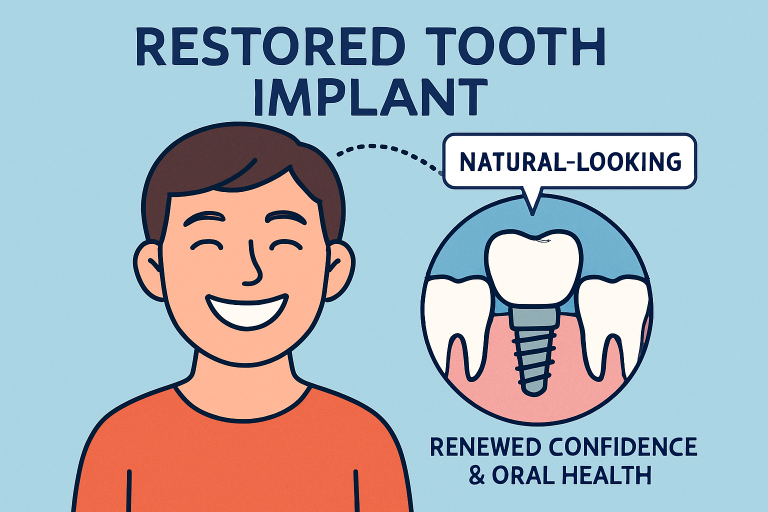
Dental implants are artificial devices, generally crafted from titanium or other biocompatible materials, designed to function as sturdy anchors for replacement teeth. These implants are surgically positioned into the jawbone, where they fuse with the bone in a process known as osseointegration. The end result is a secure and natural-looking tooth restoration that can last for decades. Unlike dentures or bridges, dental implants do not rely on adjacent teeth for support, preserving overall oral health and jawbone integrity.
One of the most significant advantages of dental implants is their ability to stimulate the jawbone, preventing the bone loss that typically occurs when teeth are missing. This not only maintains the natural shape of your face but also supports overall oral health by keeping adjacent teeth properly aligned. People who opt for dental implants often report improved bite strength, easier chewing, and enhanced speech clarity, contributing to a better quality of life and nutritional health.
Additionally, as dental implant materials and techniques advance, the risk of implant rejection or failure has diminished further. Professionals can now offer customized solutions tailored to a patient’s bone density and unique dental needs, ensuring a more secure and comfortable fit. Dental implants can also serve as anchors for other dental restorations, such as bridges or dentures, providing greater stability than traditional options.
Technological Advancements in Implantology
The field of dental implantology has benefited from innovative technologies that increase safety, success, and patient satisfaction. With digital imaging and computer-guided surgery, dental professionals are able to plan procedures with precision and customize implants to fit the patient’s unique anatomy. 3D printing technology allows for rapid creation of prosthetic crowns and abutments, delivering faster turnaround and a reliable fit. These improvements have significantly reduced the risk of complications and shortened recovery times, making implants accessible to a larger number of individuals.
Contemporary dental implant procedures may use cone-beam computed tomography (CBCT) to provide ultra-high-resolution images that assist in detailed surgical guides. Robotics and artificial intelligence are also starting to play a role in dental surgery, enhancing both the safety and predictability of the procedure. Dentists can perform virtual mock surgeries before treating a patient, anticipating possible challenges and ensuring the optimal outcome. As a result, even people with complex dental histories or limited bone can often receive successful implants through these advanced methodologies.
Psychological Impact of Dental Implants
Beyond restoring essential oral functions, dental implants have a profound influence on psychological well-being. Tooth loss can lead to self-consciousness and social withdrawal, and patients may avoid smiling, eating out, or speaking in public. With dental implants, individuals often experience an immediate boost in confidence, feeling empowered to engage socially and pursue new opportunities. This positive outlook can extend to mental health, as feeling secure about one’s appearance supports both personal and professional relationships. Research confirms that dental health plays a crucial role in psychological wellness, as explained by the Columbia University College of Dental Medicine.
The benefits of dental implants can be especially profound for people who have suffered from ill-fitting dentures or gaps that negatively affected their quality of life. Restoring the ability to laugh and smile without hesitation can bring a powerful sense of relief and renewal. Friends, family, and colleagues may notice a newfound positive energy, reflecting the far-reaching benefits of modern restorative dentistry. Many patients have described their journey to an implant-supported smile as life-changing, allowing them to feel more at ease in all areas of life.
The Implant Procedure: Step by Step
- Initial Consultation: The process starts with a thorough evaluation that includes dental imaging and health assessment. At this stage, the dentist crafts a personalized treatment plan.
- Surgical Placement: The dental implant is inserted into the jawbone through a minimally invasive surgical procedure, typically performed under local anesthesia for maximum comfort.
- Osseointegration: Over the next few months, the implant integrates with the jawbone, providing a solid foundation for the replacement tooth.
- Abutment Placement: Once integration is complete, a small connector post (abutment) is attached, extending above the gum line to support the artificial tooth.
- Crown Placement: Finally, a custom-made crown is affixed to the abutment, completing the restoration with a natural appearance and function.
Each step of the implant journey is closely monitored to ensure both safety and desirable results. Advances in anesthesia and post-operative care have made the procedure more comfortable and predictable for most patients, even those with dental anxiety. Some practices now offer same-day implants for suitable candidates, greatly reducing the waiting time for a full restoration and minimizing disruption to daily life. The commitment of dental professionals to ongoing patient education and transparent communication throughout the process ensures that patients feel involved and supported at every stage.
Caring for Your Dental Implants
Proper care is essential for the long-term success of dental implants. Good oral hygiene means brushing twice daily, flossing, and attending regular dental visits for professional cleanings and examination. Implants are susceptible to peri-implantitis (a form of gum disease) if not maintained appropriately, which makes consistent care crucial. Avoid smoking and minimize excessive intake of sugary foods to protect both the implants and the surrounding tissues. Routine visits ensure early detection of issues and keep your smile healthy.
With diligent home care and regular professional attention, dental implants can often last a lifetime. Some dentists also recommend antimicrobial rinses or the use of interdental brushes to further reduce the buildup of bacteria around the implant site. Strong communication between patients and care providers is essential; any discomfort or changes around the implant site should be reported promptly. Patients who maintain their oral health are often rewarded with years, even decades, of trouble-free smiles and the peace of mind that comes with a solid, dependable restoration.
Conclusion
Modern dental implants have redefined restorative dentistry, delivering natural looks, lasting function, and renewed self-confidence. Advances in technology and procedure planning make them a safe, effective, and accessible option for most patients. Anyone struggling with tooth loss can now confidently take the first step toward a healthier, more vibrant smile, knowing that today’s dental implants are designed for both beauty and well-being.
As the field continues to evolve, patients can expect even more personalized care, greater convenience, and seamless integration of dental implants into their overall well-being. Embracing the possibilities offered by modern implant solutions is a step toward regaining not only oral health and aesthetics but also the confidence and freedom that come with a beautiful, fully functional smile.

Building A Better Commercial Painting Plan From Prep To Completion

What Makes Legal Marketing Different From Marketing Almost Anything Else?

Why Bar Stools Can Completely Change the Feel of a Kitchen
Ways Proper Garage Door Installation Improves Performance

How to Compare Maine Neighborhoods Before Buying a Home in 2026

The Future of Home EV Charging: Trends, Benefits, and What Drivers Need to Know

How Septic Tank Pumping Services in Huntsville AL Protect Soil Absorption Systems

Foundation Crack Repair Using Injection Methods

How do you know when you need to change your primary care doctor
The Importance of Accurate Inventories Before Moving Day
Ways Proper Garage Door Installation Improves Performance
What Makes Legal Marketing Different From Marketing Almost Anything Else?
Why Bar Stools Can Completely Change the Feel of a Kitchen