
Business
The Role of Automation in Modern Shipping and Warehousing

Key Takeaways
- Automation in shipping and warehousing improves efficiency, accuracy, and customer satisfaction.
- Robotics, including AMRs and AGVs, streamlines inventory movement and reduces human error.
- AI-driven systems optimize inventory management, demand forecasting, and warehouse workflows.
- Safety is enhanced as automation reduces physically demanding tasks and monitors hazards in real time.
- Integration of AI and robotics creates flexible, scalable logistics operations, though investment and workforce training remain critical considerations.
Introduction
Automation is transforming the landscape of shipping and warehousing, driving unprecedented gains in efficiency, accuracy, and workplace safety. Businesses of all sizes are increasingly adopting technologies to streamline their logistics operations, improving both speed and reliability. Partnering with solutions like EZ Freight Websites can provide a competitive edge by supporting these digital advancements and helping companies stay ahead in a rapidly evolving market.
Modern logistics hinge on the ability to swiftly adapt to changing customer demands. Automated systems now serve as the backbone of supply chain management, reducing errors and shortening turnaround times. As companies scale, automation minimizes bottlenecks, ensuring timely order fulfillment and robust inventory tracking throughout warehouses.
Industry leaders are seeing the benefits of automation not just in cost savings, but also in improved customer satisfaction. Digital transformation enables logistics firms to respond proactively to challenges, whether replenishing stock before it runs out or rerouting shipments to avoid delays.
Advancements in Warehouse Robotics
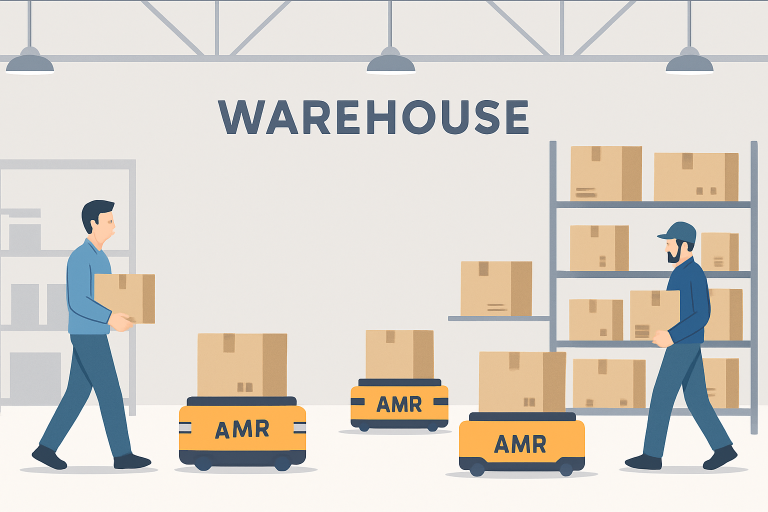
Robotics has become a cornerstone of modern warehousing. Autonomous mobile robots (AMRs) and automated guided vehicles (AGVs) offer flexible, efficient methods for transporting goods within facilities. These systems use sophisticated sensors, artificial intelligence, and mapping technologies to safely navigate busy warehouse floors, moving inventory and fulfilling orders without interfering with human workflows.
One compelling example is the deployment of AMRs by companies such as DHL. These robots have dramatically reduced worker travel time and made it easier to scale operations during peak periods. Warehouses using robotics consistently report fewer errors in order picking and more effective inventory tracking. According to The Wall Street Journal, the use of warehouse robotics is expanding rapidly, especially during high-demand seasons when accuracy and speed are vital.
Artificial Intelligence in Warehouse Management
Artificial Intelligence (AI) is playing an increasingly pivotal role in optimizing warehouse layouts, forecasting inventory needs, and managing labor resources. AI-driven warehouse management systems (WMS) analyze data streams from every corner of the supply chain, enabling automated decision-making that reduces delays and maintains balanced inventory levels. Tools available through a freight broker website can integrate with these AI systems, providing real-time shipment data and improving overall logistics coordination.
AI improves demand forecasting, especially during surges such as holiday seasons. It can predict which products will require replenishment, adjust schedules in real time, and help prevent costly stockouts. Additionally, by leveraging machine learning algorithms, AI can optimize picking routes and even anticipate maintenance needs for warehouse equipment, thereby improving overall warehouse efficiency.
Enhancing Safety Through Automation
Safety is a major concern in high-traffic warehouse environments. Automation technologies can identify hazards that could go unnoticed by human operators. Machine vision systems, for example, monitor for people, obstacles, or equipment malfunctions, automatically activating alerts or emergency stops on vehicles to avoid accidents.
By shifting repetitive, physically demanding tasks to robotic systems, warehouses are seeing reduced injuries and a safer environment for their workforce. Automation allows workers to focus on roles that require decision-making and oversight, leading to higher job satisfaction and better utilization of human resources.
Integration of AI and Robotics in Logistics
The collaboration between AI and robotics is transforming logistics networks into agile, resilient ecosystems. Robots equipped with AI handle complex tasks like sorting, packing, and shipping with remarkable speed and accuracy. This combination enables companies to scale their operations efficiently and respond more quickly to market fluctuations or sudden shifts in consumer demand.This also extends to vehicle transport logistics, where coordination and timing are critical for efficiency. Working with an Indianapolis Car Shipping Company can help streamline vehicle movement within broader automated supply chain operations.
These advancements also support the real-time tracking and rerouting of shipments, making the entire supply chain more flexible and robust. As AI-driven systems monitor both shipment progress and external factors such as weather and traffic, they can make split-second adjustments to avoid disruptions and uphold customer expectations.
Challenges and Considerations
Despite the clear benefits, the shift towards automation is not without its hurdles. The initial setup and integration of automated technologies can be capital-intensive, requiring a substantial investment in new equipment, software, and staff training. Businesses must also address concerns around job displacement, balancing the efficiency gains of automation with the need for human oversight and maintaining a skilled workforce.
Comprehensive training programs and support for upskilling are essential to ensure employees can operate, maintain, and troubleshoot these new systems. It is also critical for organizations to communicate changes clearly and involve their teams in the transition process, enabling a smoother adaptation to new technologies and processes.
Future Outlook
The future of automation in shipping and warehousing is bright. Next-generation innovations like fully automated distribution centers, autonomous delivery vehicles, and predictive maintenance powered by AI promise even greater efficiency and reliability. These emerging technologies will continue to reshape how products move through global supply chains, setting the stage for faster deliveries and higher customer satisfaction.
Final Thoughts
Automation is rapidly becoming the defining feature of modern shipping and warehousing. By adopting cutting-edge robotics and AI-driven solutions, companies can stay competitive, enhance safety, and improve responsiveness in a continuously evolving marketplace. Remaining aware and adaptable to technology trends is essential for logistics professionals seeking to thrive in the digital era.

Building A Better Commercial Painting Plan From Prep To Completion

What Makes Legal Marketing Different From Marketing Almost Anything Else?

Why Bar Stools Can Completely Change the Feel of a Kitchen
Ways Proper Garage Door Installation Improves Performance

How to Compare Maine Neighborhoods Before Buying a Home in 2026

The Future of Home EV Charging: Trends, Benefits, and What Drivers Need to Know

How Septic Tank Pumping Services in Huntsville AL Protect Soil Absorption Systems

Foundation Crack Repair Using Injection Methods

How do you know when you need to change your primary care doctor
The Importance of Accurate Inventories Before Moving Day
Ways Proper Garage Door Installation Improves Performance
What Makes Legal Marketing Different From Marketing Almost Anything Else?
Why Bar Stools Can Completely Change the Feel of a Kitchen