
Construction
What’s Driving Demand for Smarter Material Handling Equipment

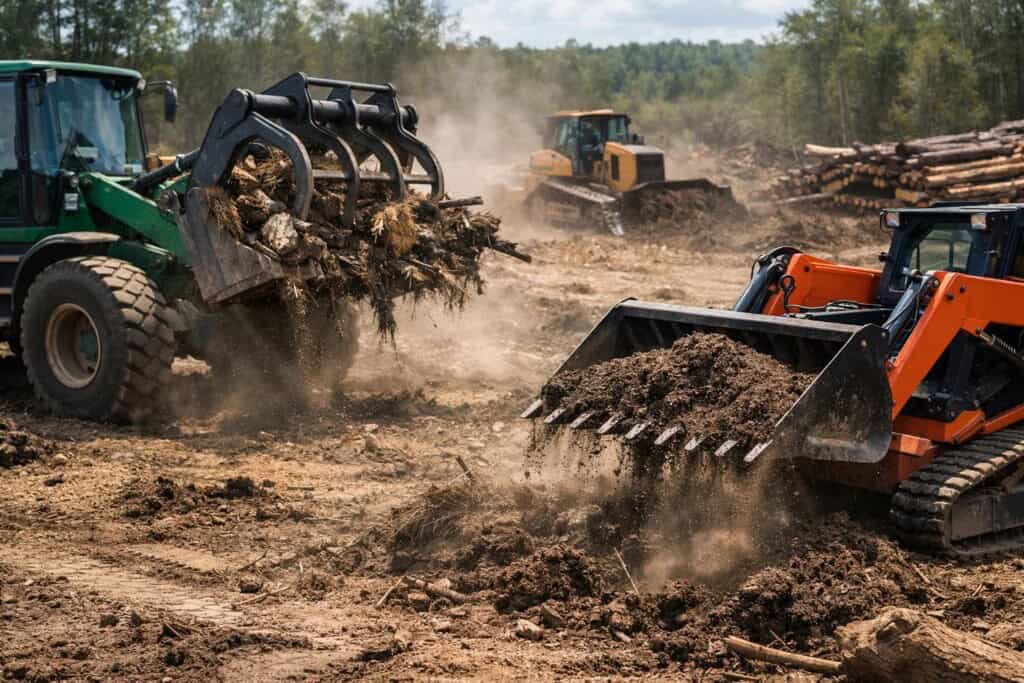
Things feel noticeably different on job sites now. Work moves quicker, expectations keep rising, and there’s very little patience left for equipment that slows the flow. You can even hear it in on-site conversations, more focus on progress and less tolerance for repeated effort.
And in the middle of all this change, equipment choices are getting a lot more attention than they used to. Even something like a root grapple for tractors is no longer just “another attachment,” but something crews actually think about before the day even starts.
This shift is not random. It’s coming from real pressure on time, labor, and efficiency across construction, landscaping, and land clearing work.
But what’s actually pushing that demand and why material handling equipment is suddenly a bigger deal than before?
Read on, and you’ll know.
1. Work is Moving Faster Than Old Equipment Can Handle
One of the biggest reasons behind this change is speed. Projects are expected to move quickly, sometimes with fewer hands on deck. That puts pressure on equipment to do more of the heavy lifting, literally.
Older tools can still get the job done, but the problem is, they require:
- More passes
- More efforts
- More adjustments
All of this, somehow slows things down without anyone noticing at first. By the end of the day, those small delays turn into hours lost. Crews are now leaning toward equipment that keeps up without constant stopping. The focus is not just power, but smoother handling and less interruption during work cycles.
2. Material Handling is No Longer a Side Task
Earlier, material handling was just seen as a basic support task on site. Move the debris, clear some space, and move on. Now it has a much bigger impact on how smoothly the entire project runs.
From clearing brush to loading debris or sorting materials, every step affects the next. If handling slows down, the whole workflow starts to feel stuck. Because of that, attachments that improve handling efficiency are getting more attention. Contractors are looking for tools that make moving and lifting materials feel smoother and less tiring.
3. Better Attachments Are Reducing Daily Work Stress
There is also a simple human side to this shift. No crew wants to fight with equipment all day. If something is hard to attach, slow to operate, or inconsistent, it adds stress to an already long workday.
This is where modern attachments are stepping in. They are designed to reduce effort, not add complexity. Quick connection systems, better grip strength, and smoother operation are all becoming standard expectations.
Tools like a root grapple for tractors are often chosen because they reduce that daily friction. Instead of wasting time adjusting or redoing work, crews can focus on moving through the job at a steady pace.
4. Labor Efficiency is Changing Equipment Choices
Another big factor is workforce efficiency. Many crews are operating with fewer people, but the same or even higher workload. That changes how equipment is selected.
More manpower is no longer the answer. The shift is toward smarter tools that handle greater responsibility. One operator, equipped with the right attachment, can now accomplish work that used to take multiple people and several steps.
This does not just improve speed. It also reduces fatigue and helps crews maintain consistency throughout long working hours.
5. Downtime Has Become More Expensive Than Before
There was a time when downtime was simply accepted as part of the workday. That has changed. Now, every delay feels more expensive because it affects timing, cost, and even client expectations.
If machines stop performing as expected or need frequent fixing, the impact is almost instant. Productivity drops, the flow of work breaks, and the day often extends well beyond plan. As a result, contractors are choosing equipment that can stay dependable under pressure instead of tools that require ongoing attention.
6. Durability is Now a Daily Expectation
It’s no longer just about how well the equipment performs at the start. What really matters now is consistency over time. Crews expect it to work the same at hour six as it did at hour one.
Attachments that wear down quickly or start losing efficiency halfway through a job don’t really fit into today’s workflow anymore. People want equipment they can trust without constantly checking or adjusting it during the day.
Because of this, manufacturers are shifting focus toward long-term performance instead of just strong first impressions.
7. Smarter Design is Driving Smarter Workflows
Modern equipment is also being designed with workflow in mind. That means easier attachment changes, better compatibility, and less time spent switching between tasks.
Instead of forcing crews to adjust their process around the tool, the tool is now being built to fit into the natural flow of the workday.
This is where material handling equipment has really evolved. It is no longer just about moving material, but about making the entire process smoother from start to finish.
Final Thoughts
What’s driving demand for smarter equipment isn’t really hype or industry buzz. It’s coming directly from job sites where every minute, every movement, and every bit of effort counts more than before.
Work crews are leaning toward tools that can handle the pace without slowing things down or creating extra work. Better build quality, stronger performance, and more practical attachments are becoming the standard expectation.
As work continues to speed up and expectations rise, equipment has to match that level. And in the background, simple but smart choices are making workdays noticeably smoother.
______________________________________________________________________________

Building A Better Commercial Painting Plan From Prep To Completion

What Makes Legal Marketing Different From Marketing Almost Anything Else?

Why Bar Stools Can Completely Change the Feel of a Kitchen
Ways Proper Garage Door Installation Improves Performance

How to Compare Maine Neighborhoods Before Buying a Home in 2026

The Future of Home EV Charging: Trends, Benefits, and What Drivers Need to Know

How Septic Tank Pumping Services in Huntsville AL Protect Soil Absorption Systems

Foundation Crack Repair Using Injection Methods

How do you know when you need to change your primary care doctor
The Importance of Accurate Inventories Before Moving Day
Ways Proper Garage Door Installation Improves Performance
What Makes Legal Marketing Different From Marketing Almost Anything Else?
Why Bar Stools Can Completely Change the Feel of a Kitchen