
Construction
How Equipment Performance Is Influencing Productivity in Land Clearing Projects

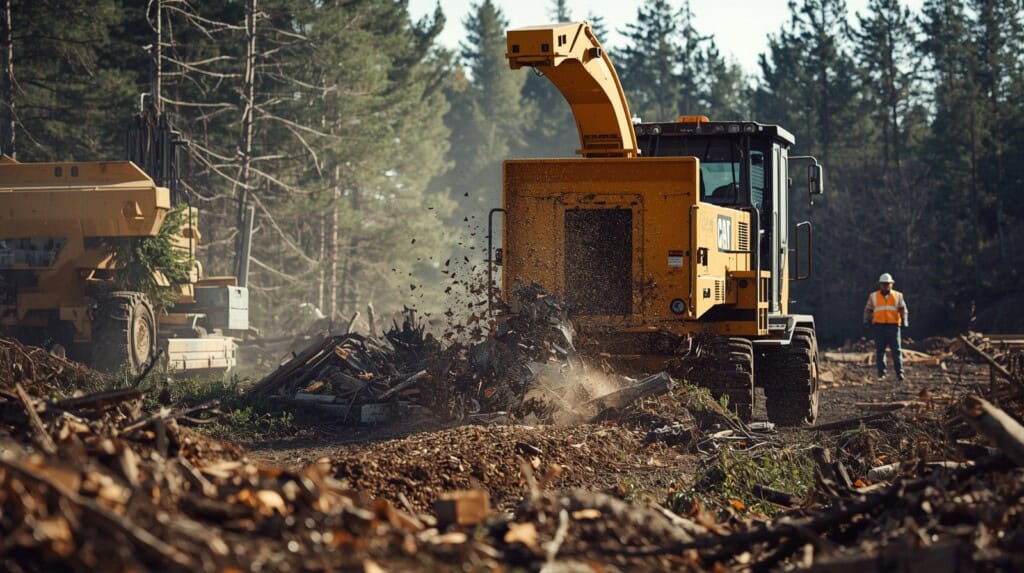
Land clearing jobs demand high productivity. Workers may arrive early, plans may be in place, and machines may be ready, yet the work does not always move as smoothly as expected. Small slowdowns tend to appear here and there, and over time they stretch the entire schedule.
A big reason behind this often comes down to equipment performance, especially parts like bandit chipper parts that quietly decide how efficiently the work actually moves on site. This blog breaks down how equipment performance is shaping productivity in land clearing projects and why small components end up having a bigger impact than most expect.
The truth is, land clearing is not forgiving work. Every hour matters, and every delay starts stacking up faster than you think.
Small Equipment Issues Create Bigger Delays Than Expected
Most people assume delays come from major breakdowns. In reality, it’s usually smaller inefficiencies building up.
- A slight drop in cutting power
- Extra time spent reworking an area
- Uneven output from worn components
None of these look serious on their own. But in land clearing, even a few extra minutes per section can stretch into hours by the end of the day.
That’s why operators are paying closer attention to wear parts now. Because once performance drops, everything else follows.
Why Cutting Performance Changes Everything on Site
Cutting performance is where things really start to show. When machines are working well, everything feels smooth. The movement is steady, material breaks down faster, and the crew stays on schedule.
But when performance dips, even slightly, the difference becomes noticeable.
This is where parts like Bandit chipper parts start to matter more than people expect. If they are worn or not performing at their best, the machine has to work harder to achieve the same result. That extra strain slows down the entire workflow.
And in land clearing, slower workflow means fewer acres covered, fewer tasks completed, and more pressure on the next day’s schedule.
The Hidden Cost of Reduced Machine Efficiency
One thing operators notice over time is that reduced efficiency doesn’t just slow the job. It increases fatigue across the entire setup.
- More fuel gets used
- More passes are needed
- Operators spend more time adjusting instead of moving forward
It becomes a cycle where small inefficiencies keep feeding into bigger delays.
That’s why maintenance is shifting from being a reactive task to something more planned. Crews are starting to look at performance before things break down completely.
Why Wear Parts Are Now Part of Planning, Not Afterthoughts
There was a time when wear parts were just replaced when they failed. That approach doesn’t really work anymore in fast-moving projects.
Now, the focus is more on staying ahead of performance drops.
Operators are checking:
• how cutting edges are holding up
• how consistent output feels during work
• whether machines are taking longer than usual to complete similar tasks
When even small changes show up, it’s usually a sign that parts need attention.
This shift in mindset is improving productivity more than people realize. Because fixing problems early avoids bigger slowdowns later.
Equipment Behavior Tells You More Than You Think
Experienced operators often say you can “feel” when a machine is not performing the same way anymore. It might still be running, but something feels off.
- Maybe it’s slightly slower cutting
- Maybe it needs more pressure than usual
- Maybe the finish is not as clean
These small signs often point back to wear parts and how they are holding up under stress.
That’s where understanding equipment behavior becomes useful. It helps teams act before productivity takes a hit.
Why Bandit Machines Depend Heavily on Part Performance
Bandit machines are widely used in land clearing because of their strength and reliability. But even strong machines depend heavily on the condition of their working parts.
When those parts are in good shape, everything runs smoothly. When they are not, performance drops quickly, especially under heavy workloads.
That’s why attention around Bandit systems and their supporting components has increased in recent years. Operators are realizing that machine strength alone is not enough. The supporting parts decide how long that performance actually lasts during a job.
How Suppliers Are Responding to Industry Pressure
Companies have been noticing this change more closely lately. In forestry and land clearing work, there’s a clear shift toward wear parts that can handle longer hours and tougher job conditions without slowing things down.
Instead of just replacing parts when they fail, the focus is now on consistency and reducing interruptions during work.
This is not about changing how machines are used. It’s about making sure they can keep up with how fast the industry is moving.
Productivity Now Depends on Small Details
At the end of the day, productivity in land clearing doesn’t come down to one big factor. It comes from many small things working together.
- Sharp cutting edges
- Consistent machine behavior
- Reliable wear components
- And timing that doesn’t get interrupted halfway through the job
When all of those lines up, the workflow flows naturally. When even one part slips, the entire schedule feels it.
Final Thoughts
Land clearing work is speeding up, and small inefficiencies don’t stay hidden for long anymore. Equipment performance is no longer something checked only when issues appear. It’s now part of day to day productivity.
And honestly, most delays don’t come from major breakdowns. They come from small drops in performance that build up quietly.
Once those details are under control, everything starts to feel smoother on site… fewer delays, fewer surprises, and a much better rhythm to the work.
______________________________________________________________________________

Building A Better Commercial Painting Plan From Prep To Completion

What Makes Legal Marketing Different From Marketing Almost Anything Else?

Why Bar Stools Can Completely Change the Feel of a Kitchen
Ways Proper Garage Door Installation Improves Performance

How to Compare Maine Neighborhoods Before Buying a Home in 2026

The Future of Home EV Charging: Trends, Benefits, and What Drivers Need to Know

How Septic Tank Pumping Services in Huntsville AL Protect Soil Absorption Systems

Foundation Crack Repair Using Injection Methods

How do you know when you need to change your primary care doctor
The Importance of Accurate Inventories Before Moving Day
Ways Proper Garage Door Installation Improves Performance
What Makes Legal Marketing Different From Marketing Almost Anything Else?
Why Bar Stools Can Completely Change the Feel of a Kitchen