
Construction
Stump Grinders and Their Growing Role in Site Preparation Work

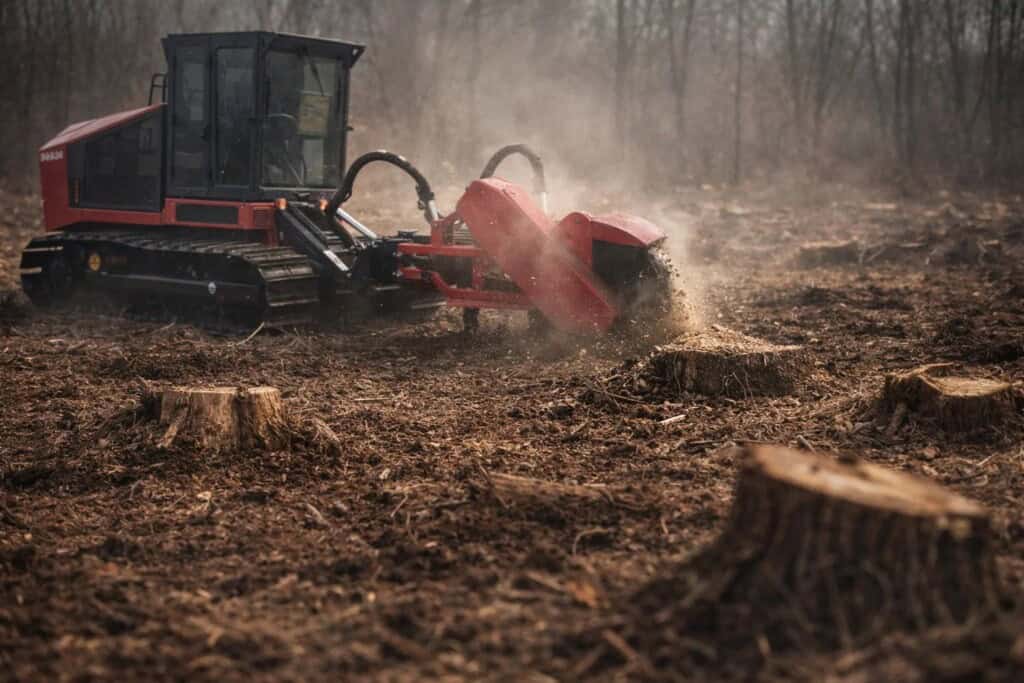
A piece of land can look clean from far away. You walk closer, and suddenly it’s not that simple. Stubborn stumps, loose soil, and uneven patches are the hurdles between the clean-looking land and a land good for operations. Among all these stumps are the headaches, whether it’s small or not so small; chaos is similar.
You think that the land clearing is done, and then these leftover pieces slow everything down. It is a bit frustrating, honestly. That is usually where stump grinders start getting attention on-site. Not as a first step always, but definitely as something you can’t ignore for long.
The Problem With Leaving Things Half Done
It’s easy to think, “We will deal with it later.” Many crews have said that at some point. But later usually comes with pressure, tight timelines, waiting for equipment, and work that depends on a smooth surface.
Stumps don’t just sit quietly. They affect how machines move, how operators plan their path, and sometimes how safe the space feels. A small bump or hidden root can throw things off more than expected.
And the thing is, these aren’t big dramatic problems. They’re small interruptions that keep repeating, and that’s what slows everything down.
Site Preparation Has Changed (A Bit More Than You Think)
Not too long ago, land clearing followed a more step-by-step pattern. First clearing, then cleanup, then going back again for anything left behind. It worked, but it took time, and sometimes patience ran out before the work did.
Now, things feel different. There’s more focus on getting as much done as possible in fewer passes. Crews don’t want to revisit the same patch again and again if they can avoid it. It just makes more sense to handle things while you’re already there.
That shift, even though it sounds small, has changed how equipment is used on-site.
Where Stump Work Fits In Today
Stump removal isn’t always the main highlight of a project, but it quietly supports everything else. If it’s handled early, the rest of the work tends to move better. If not, it keeps showing up as a problem later.
This is where stump grinders find their place in the workflow. They’re not there to make things perfect; they’re there to keep things moving without extra stops. Crews use them as part of the process, not just as a fix at the end.
And that shift from “later” to “during” makes a noticeable difference on busy job sites.
What People on Site Actually Care About
You won’t hear operators talking much about fancy features. Most of the time, the conversation stays pretty basic, and practical.
Things that actually matter on-site:
- Does it keep working without constant stopping?
- Can it handle rough material without struggling too much?
- Is it easy to check and maintain during the day?
- Does it work well with the machines already there?
That’s it. Nothing complicated. If something fits into the workflow without adding extra effort, people stick with it.
Equipment Is Becoming More Task-Focused
There’s been a quiet shift in how equipment is designed. Instead of trying to do everything with one tool, there’s more focus now on doing one job properly.
It comes from experience, really. Feedback from job sites, long work hours, and small frustrations, those things shape how tools improve over time.
You don’t always notice it right away. But once you use something that’s built for a specific task, the difference becomes clear. Work feels smoother. Less adjustment. Less back-and-forth.
Small Fixes That Change the Flow
Not every improvement on-site needs to be big. Sometimes it’s the smaller fixes that help the most.
Clearing stumps properly is one of those things. It doesn’t look like a major step, but it helps in ways you only notice later: machines move better, work feels less interrupted, and there’s less need to go back and fix things. It’s a quiet kind of efficiency. Nothing flashy, but definitely noticeable if it’s missing.
Conclusion
Land clearing is also about handling what stays behind, and not about removing what is visible. Stumps might not seem like a big issue at first, but they shape how the rest of the work unfolds.
Make the process easier to manage and a little more predictable day by day – The focus stays simple and clear. Building equipment based on real job-site needs is what companies like Feconfocus on. Exploring different approaches can help make land clearing feel less complicated than it usually does.

Building A Better Commercial Painting Plan From Prep To Completion

What Makes Legal Marketing Different From Marketing Almost Anything Else?

Why Bar Stools Can Completely Change the Feel of a Kitchen
Ways Proper Garage Door Installation Improves Performance

How to Compare Maine Neighborhoods Before Buying a Home in 2026

The Future of Home EV Charging: Trends, Benefits, and What Drivers Need to Know

How Septic Tank Pumping Services in Huntsville AL Protect Soil Absorption Systems

Foundation Crack Repair Using Injection Methods

How do you know when you need to change your primary care doctor
The Importance of Accurate Inventories Before Moving Day
Ways Proper Garage Door Installation Improves Performance
What Makes Legal Marketing Different From Marketing Almost Anything Else?
Why Bar Stools Can Completely Change the Feel of a Kitchen