
Business
How Core Values Shape Company Culture

Key Takeaways
- Core values are fundamental beliefs that guide behaviors and decision-making within an organization.
- Aligning company culture with core values enhances employee engagement, trust, and overall performance.
- Effective communication and leadership are essential in embedding core values into daily operations.
Table of Contents
- Defining Core Values
- The Importance of Core Values in Company Culture
- Examples of Core Values in Action
- Strategies for Embedding Core Values
- Measuring the Impact of Core Values
- Challenges in Aligning Core Values
- Conclusion
Defining Core Values
Core values are the bedrock of any organization’s principles, acting as a set of fundamental beliefs that guide behavior, influence decision-making, and set standards for workplace interactions. These values, such as trust, integrity, and empathy, shape the unique environment known as company culture, determining how employees interact with one another and contribute to the organization’s mission.
While some companies showcase their core values only in vision statements or HR presentations, successful organizations strive to make these ideals an integral part of their daily routines. Core values extend beyond simple mottos—they express a company’s identity and set the tone for its lasting success. They influence hiring practices, performance evaluations, and even how feedback is given and received within the organization.
Leadership and employees must share a common understanding of core values. When everyone is aligned on what the company stands for, there is less room for miscommunication, conflict, or unethical decisions. Employees want a workplace where their principles align with those of the company, promoting trust and unity.
Furthermore, research from SHRM illustrates how deeply rooted values lead to better collaboration and employee retention, highlighting the tangible impact that clearly articulated and practiced values have on organizational health and growth.
The Importance of Core Values in Company Culture
Core values are more than aspirational—they serve as a pragmatic framework for business operations, guiding everything from day-to-day decision-making to long-term strategy. A culture that is built on shared values leads to higher engagement; employees who believe in their work environment’s ethos are substantially more motivated and committed. According to a widely cited Gallup study, workplaces where core values are embedded have seen a notable increase in productivity, morale, and retention rates.
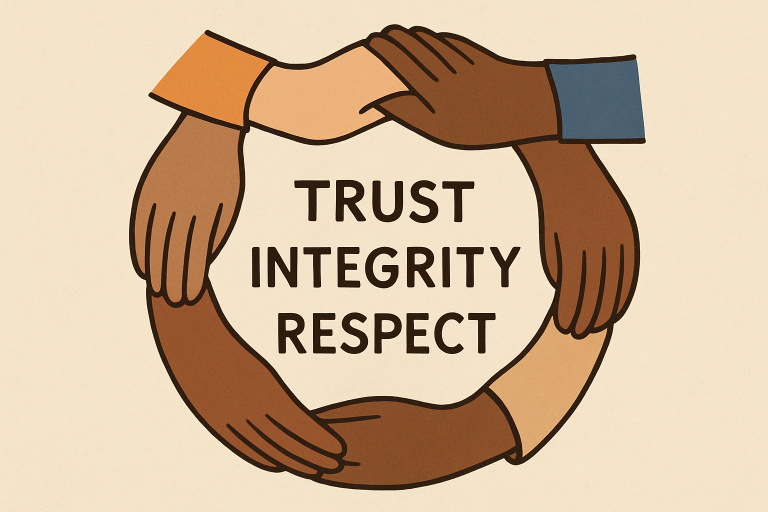
- Employee Engagement: Teams who connect with company values report stronger job satisfaction and are more likely to advocate for the company both inside and outside of work.
- Consistent Decision-Making: Core values serve as a reference point for choices at all levels of the business, enabling organizations to respond to challenges with integrity and consistency.
- Attracting and Retaining Talent: Clear values attract like-minded individuals and help identify candidates who may not be the right cultural fit, thereby reducing turnover and enhancing the overall work environment.
Examples of Core Values in Action
Bringing core values to life involves translating abstract principles into concrete actions. For example, a company that values transparency might regularly hold open Q&A sessions with leadership, ensuring that employees at every level have access to key information. This not only fosters trust but also promotes open communication and effective problem-solving.
- Transparency: Implementing open-door policies, sharing business goals, and discussing company challenges directly with staff helps create a more informed and loyal workforce.
- Integrity: Businesses that promote honesty enact robust anti-fraud measures and establish ethical hotlines, demonstrating their commitment to doing what’s right, even when it’s difficult.
- Compassion: Flexible work schedules, wellness programs, and resources for mental health underscore a company’s commitment to employees’ well-being and personal growth.
Companies recognized for strong core values, such as Patagonia, Google, and Zappos, consistently outperform their peers in terms of reputation and employee satisfaction, demonstrating that practicing these ideals offers both strategic and ethical benefits.
Strategies for Embedding Core Values
Core values don’t become ingrained by chance; embedding them into culture requires intention, perseverance, and buy-in at all levels. Here are proven approaches to make core values meaningful rather than just aspirational:
- Leadership Alignment: Senior leaders must set the example, actively demonstrating the company’s values in their interactions, decisions, and organizational direction.
- Communication: Frequent, transparent communication through meetings, digital signage, and onboarding materials ensures everyone understands and remembers what the values represent.
- Recognition Programs: Rewarding team members who exemplify core values encourages desired behaviors and celebrates positive contributions.
- Hiring Practices: Including core values in job descriptions and interviews helps ensure that new hires are committed to the same standards from day one.
Measuring the Impact of Core Values
It’s essential to assess whether core values are more than slogans. Companies can do this by using:
- Employee Surveys: Anonymous pulse surveys identify whether staff believe the company “walks the talk” on values.
- Performance Metrics: Trends in productivity, customer feedback, and staff retention provide quantifiable data on how well core values are being lived out.
- Feedback Mechanisms: Open forums and suggestion boxes enable employees to provide real-time input on cultural alignment, allowing leadership to identify opportunities and challenges early.
According to the Harvard Business Review, sustained measurement and honest evaluations are crucial for maintaining authenticity and cultural vibrancy.
Challenges in Aligning Core Values
No culture transformation is straightforward. Companies often encounter significant challenges, including:
- Inconsistency: Leaders who fail to exemplify their values risk undermining credibility, causing staff to view the values as empty rhetoric.
- Resistance to Change: Long-standing habits and routines can block adaptation, leading to pushback as new values are introduced.
- Maintaining Authenticity: Values must be consistently modeled and recognized, or they can deteriorate into mere slogans—demanding constant reinforcement and honesty from decision-makers.
Conclusion
Core values represent more than aspirational statements—they are a foundational pillar shaping the character, success, and sustainability of an organization’s culture. Companies that genuinely define, embed, and uphold their core values see transformative impacts, from attracting top talent to retaining employees and building resilient, high-performing teams. Creating a thriving corporate culture begins with integrity at the top, buy-in at every level, and a steadfast commitment to not only articulating, but also living out company values every day.

Building A Better Commercial Painting Plan From Prep To Completion

What Makes Legal Marketing Different From Marketing Almost Anything Else?

Why Bar Stools Can Completely Change the Feel of a Kitchen
Ways Proper Garage Door Installation Improves Performance

How to Compare Maine Neighborhoods Before Buying a Home in 2026

The Future of Home EV Charging: Trends, Benefits, and What Drivers Need to Know

How Septic Tank Pumping Services in Huntsville AL Protect Soil Absorption Systems

Foundation Crack Repair Using Injection Methods

How do you know when you need to change your primary care doctor
The Importance of Accurate Inventories Before Moving Day
Ways Proper Garage Door Installation Improves Performance
What Makes Legal Marketing Different From Marketing Almost Anything Else?
Why Bar Stools Can Completely Change the Feel of a Kitchen