
Business
Industrial Cleaning: Essential Practices for Large Facilities

Table of Contents
- Understanding Industrial Cleaning
- Key Components of Industrial Cleaning
- Benefits of Industrial Cleaning
- Innovations in Industrial Cleaning
- Green Cleaning Practices
- Implementing an Effective Industrial Cleaning Program
- Final Thoughts
Understanding Industrial Cleaning
Industrial cleaning is the backbone of workplace safety and efficiency in facilities such as factories, warehouses, and production plants. Unlike conventional cleaning, it focuses on removing hazardous residues, dust, and debris that can impact both heavy machinery and human health. Facilities facing challenges such as chemical spills, oil leaks, or fine particulate buildup often turn to dedicated industrial cleaning services to safeguard operations and comply with regulations.
Maintaining cleanliness in such high-traffic and operationally intensive settings requires specialized equipment, trained personnel, and robust preventive measures. Thoughtful planning and execution not only prevent accidents but also optimize production by reducing machinery downtime and maintaining air quality.
Proper industrial cleaning is not only about appearance—it often plays a pivotal role in how smoothly critical infrastructure runs. Effective cleaning protocols can help identify early signs of equipment wear or hazardous accumulation, letting management address issues before they escalate.
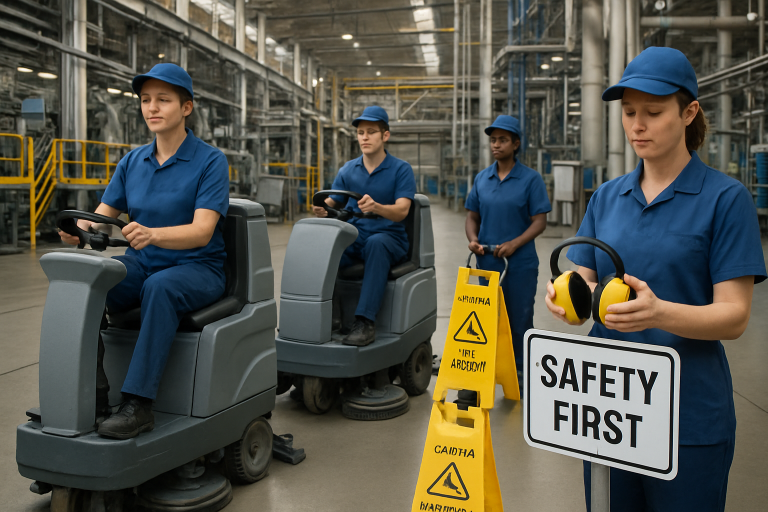
The modern industrial environment is subject to stringent regulatory standards regarding cleanliness, safety, and environmental protection. Businesses that excel in industrial cleaning are better positioned to avoid costly violations and sustain a positive workplace culture.
Key Components of Industrial Cleaning
- Equipment Maintenance: Regular removal of grease, dust, and contaminants from machinery prevents breakdowns and lengthens service life.
- Surface Decontamination: Safety requirements mandate that floors, walls, and ceilings remain free of hazardous buildup, thereby minimizing slip and trip risks and exposure to harmful chemicals.
- Air Quality Control: Facilities often utilize high-efficiency filtration and dust extraction systems to reduce airborne particulates, supporting both worker health and precise manufacturing.
- Hazardous Waste Management: The proper collection, recycling, or disposal of hazardous industrial waste is critical to meeting environmental standards and preventing long-term site contamination.
Benefits of Industrial Cleaning
Rigorous industrial cleaning practices deliver critical benefits at every level of operations:
- Enhanced Safety: Freshly cleaned facilities significantly lower the risk of workplace injuries from spills, blockages, or exposure to toxic substances.
- Regulatory Compliance: Adhering to strict cleaning protocols ensures that operations remain compliant with federal and state health and safety regulations, thereby reducing the likelihood of inspection penalties.
- Increased Productivity: Clean working environments reduce unexpected equipment failures and employee sick days, both of which fuel higher operational efficiency.
- Positive Impressions: A visibly well-kept facility expresses professionalism, instilling confidence among partners, clients, and stakeholders.
Innovations in Industrial Cleaning
Technological advancements have redefined what’s possible in large-scale cleaning. The implementation of smart, IoT-enabled cleaning equipment now allows for automated scheduling and usage tracking. These devices can sense contaminants in real time, dispensing cleaning agents only where needed—saving resources and preventing overuse. Robotic floor scrubbers, for example, reduce labor costs while delivering more consistent results.
Green technologies also enable companies to achieve their sustainability goals. Smart dispensers, for example, ensure that only the necessary quantity of cleaning solution is used, helping to reduce environmental impact and costs.
Green Cleaning Practices
Green cleaning has grown from a trend to an industrial necessity. By replacing harsh chemicals with biodegradable, plant-based alternatives, facilities can significantly improve indoor air quality and reduce health risks. Eco-conscious companies also reduce their exposure to liability claims related to chemical exposure among workers.
Employing these products alongside water-saving equipment and recycling programs not only conserves natural resources but can also bolster a company’s public image. Green cleaning is closely aligned with growing regulatory pressure to foster health and sustainability in every aspect of facility management.
Implementing an Effective Industrial Cleaning Program
Establishing a comprehensive industrial cleaning regimen involves several strategic steps:
- Assessment: Begin by conducting a thorough review of the facility’s unique cleaning requirements, which includes identifying high-traffic areas, equipment susceptible to contamination, and potential environmental hazards.
- Planning: Structured schedules and clearly documented protocols should identify what needs cleaning, how often, and with what tools or products.
- Training: Regularly train staff in best cleaning practices and safety procedures, ensuring they recognize hazards and handle materials properly.
- Monitoring: Continually track the effectiveness of cleaning processes and adjust strategies to keep pace with operational changes and regulatory standards.
Companies may further benefit from partnering with specialized providers who bring expertise and resources tailored to complex or hazardous environments.
Final Thoughts
Industrial cleaning is essential in maintaining the safety, efficiency, and sustainability of large facilities. Leveraging modern technology, adopting green practices, and ensuring adherence to strict protocols, companies can create secure, healthy workplaces that foster productivity and uphold their reputation among clients, regulators, and employees.

Building A Better Commercial Painting Plan From Prep To Completion

What Makes Legal Marketing Different From Marketing Almost Anything Else?

Why Bar Stools Can Completely Change the Feel of a Kitchen
Ways Proper Garage Door Installation Improves Performance

How to Compare Maine Neighborhoods Before Buying a Home in 2026

The Future of Home EV Charging: Trends, Benefits, and What Drivers Need to Know

How Septic Tank Pumping Services in Huntsville AL Protect Soil Absorption Systems

Foundation Crack Repair Using Injection Methods

How do you know when you need to change your primary care doctor
The Importance of Accurate Inventories Before Moving Day
Ways Proper Garage Door Installation Improves Performance
What Makes Legal Marketing Different From Marketing Almost Anything Else?
Why Bar Stools Can Completely Change the Feel of a Kitchen