
Plumbing
Why Regular Plumbing Check-Ins Save You Money Long-Term

Key Takeaways
- Regular plumbing inspections help detect minor issues before they escalate into major problems.
- Addressing leaks and inefficiencies can lead to substantial savings on utility bills.
- Preventive maintenance extends the lifespan of plumbing systems and appliances.
- Routine check-ins reduce the likelihood of emergency repairs and associated costs.
Table of Contents
- Early Detection of Issues
- Reducing Water Waste and Utility Bills
- Extending the Lifespan of Plumbing Systems
- Avoiding Emergency Repairs
- Protecting Property Value
- Ensuring Health and Safety
- Planning for Future Upgrades
Regular plumbing check-ups are often neglected until a visible issue arises. However, small, hidden problems can silently increase costs over time. Minor leaks, slow drains, and gradual pipe corrosion may seem insignificant at first, but if left unaddressed, they can lead to water waste, structural damage, and expensive emergency repairs. Routine inspections help identify these concerns early when solutions are typically simpler and more cost-effective.
By scheduling periodic assessments, homeowners and property managers can gain a clearer understanding of their plumbing systems’ performance and pinpoint areas that require preventive maintenance. Relying on professional plumbing services for regular check-ups can help improve long-term budgeting by reducing unexpected breakdowns and extending the lifespan of fixtures and pipes. Over time, this proactive approach promotes efficiency, minimizes disruption, and ensures that plumbing systems operate reliably without causing unnecessary financial strain.
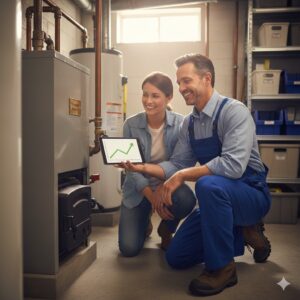
Early Detection of Issues
It is easy for small plumbing problems, such as a drip from a faucet or a toilet that won’t stop running, to go unnoticed until they become much bigger headaches. Regular inspections serve as your first line of defense by identifying these problems early. Catching leaks before they cause extensive water damage helps prevent expensive repairs to walls, flooring, and even structural components. Small efforts now can stop much larger issues from developing and damaging your home.
Reducing Water Waste and Utility Bills
One of the most common unnoticed issues is water waste from leaky faucets, running toilets, and inefficient fixtures. These minor inefficiencies can add up quickly, often resulting in hundreds of wasted gallons each year and increased utility bills. Addressing these problems during routine inspections not only saves water but also reduces your environmental footprint. According to the Environmental Protection Agency, fixing easily corrected household water leaks can save homeowners about 10 percent on their water bills.
Extending the Lifespan of Plumbing Systems
Just like any other part of your home, plumbing systems have a finite lifespan. When pipes and appliances are neglected, they can wear out long before their time. Regular maintenance addresses sediment buildup in hot water heaters and checks the integrity of pipes and connections, preventing corrosion and damage. By consistently caring for your plumbing system, you can extend its lifespan and delay costly replacements, benefiting both your wallet and your peace of mind.
Avoiding Emergency Repairs
When plumbing emergencies strike, they are often both stressful and expensive. Emergencies such as burst pipes or severe leaks usually require immediate, after-hours service at premium rates. Staying ahead with scheduled check-ins greatly reduces the chances of these urgent situations by catching failing parts or vulnerabilities early. This means fewer surprise expenses and service calls, making it easier to budget for home maintenance.
Protecting Property Value
Your home’s value is significantly affected by its infrastructure. Water damage from unnoticed leaks can ruin walls, flooring, and even the foundation, making fixes expensive and time-consuming. Keeping up with plumbing maintenance helps preserve the integrity of your property and prevents deterioration. Prospective buyers or appraisers take note of well-maintained systems, which can make your property more attractive and valuable if you ever decide to sell.
Ensuring Health and Safety
Plumbing issues can have serious health and safety consequences if left unresolved. Moist environments caused by leaks provide ideal conditions for mold growth, posing health risks to homeowners, especially children, elderly family members, and those with allergies or respiratory concerns. Regular check-ins can also identify problems such as backflow, which can contaminate your drinking water. Keeping your plumbing system in good condition is essential for maintaining a healthy, safe home environment. For more tips on household safety and plumbing, check out This Old House’s guidance.
Planning for Future Upgrades
Routine inspections do more than solve immediate issues; they provide an up-to-date overview of your plumbing system’s health. That overview is invaluable when planning upgrades, such as installing water-saving appliances, replacing old pipes, or updating aging fixtures. By understanding the current condition of your plumbing, you can prioritize repairs and improvements more cost-effectively, taking advantage of newer technologies that offer greater efficiency and longevity.
Conclusion
Regular plumbing check-ins are a smart investment that pays off over time. By catching small issues early, reducing water waste, extending the life of your plumbing systems, and avoiding costly emergencies, routine maintenance protects both your home and your finances. Beyond immediate savings, proactive plumbing care supports long-term property value, health, and efficiency, making it an essential part of responsible homeownership rather than an optional expense.

How to Judge a Mountain Home Before You Buy in Aspen, Colorado

Building A Better Commercial Painting Plan From Prep To Completion

What Makes Legal Marketing Different From Marketing Almost Anything Else?

Why Bar Stools Can Completely Change the Feel of a Kitchen
Ways Proper Garage Door Installation Improves Performance

How to Compare Maine Neighborhoods Before Buying a Home in 2026

The Future of Home EV Charging: Trends, Benefits, and What Drivers Need to Know

How Septic Tank Pumping Services in Huntsville AL Protect Soil Absorption Systems

Foundation Crack Repair Using Injection Methods

How do you know when you need to change your primary care doctor
What Makes Legal Marketing Different From Marketing Almost Anything Else?
Why Bar Stools Can Completely Change the Feel of a Kitchen
Building A Better Commercial Painting Plan From Prep To Completion