
Plumbing
How to Prevent Plumbing Emergencies at Home

Key Takeaways
- Regular inspections and preventative maintenance are crucial in catching small issues before they become major, costly emergencies.
- Understanding what should and should not go down drains and toilets protects pipes from unnecessary wear and eliminates troublesome blockages.
- Being prepared with basic plumbing tools and knowing how to use them allows you to respond quickly to small leaks or clogs, minimizing any potential damage during a crisis.
Table of Contents
- Regular Inspections and Maintenance
- Proper Disposal Practices
- Seasonal Preparations
- Monitoring Water Pressure
- Upgrading Old Plumbing
- Essential Tools for Emergencies
- Educating Household Members
- Final Thoughts
Plumbing emergencies can strike at any time and often without warning, causing extensive water damage, disrupting daily routines, and leading to expensive repairs. While it may seem like these situations are out of your control, the truth is that with a bit of planning, vigilance, and knowledge, homeowners can minimize the likelihood and impact of such events. This comprehensive guide expands on practical tips and strategies to help you safeguard your home’s plumbing system, resolve minor issues, and know when it’s time to call in the professionals.
For residents of Tulsa seeking additional peace of mind, Wooten Knockout Plumbing stands out as a reputable, family-owned company. With expertise passed down through three generations, they offer not just routine maintenance but also 24/7 emergency plumber Tulsa for situations that require immediate, expert intervention. Their commitment to prompt, reliable, and friendly service makes them a trusted partner for any plumbing issue, large or small.
Regular Inspections and Maintenance
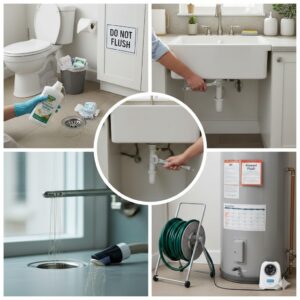
Conducting routine inspections of your plumbing system is the foundation of effective prevention. Even small leaks or signs of moisture can indicate much bigger problems lurking behind walls or under floors. At least twice a year, check both exposed and hidden pipes for any signs of corrosion, rust, or loose joints. Pay close attention to areas under sinks, behind toilets, and around appliances such as dishwashers and washing machines, as leaks in these spots can go unnoticed for weeks or even months. Water stains, damp smells, or peeling paint are all red flags. Additionally, get into the habit of checking outdoor plumbing fixtures, hoses, and irrigation systems for the same issues.
Scheduling an annual inspection with a licensed plumber is also highly recommended. These professionals have the expertise to spot subtle signs of trouble that may go unnoticed by the untrained eye. Regularly cleaning faucet aerators and showerheads can also maintain optimal water flow and reduce sediment buildup. Addressing minor maintenance issues immediately keeps them from developing into full-blown emergencies later and helps extend the life of your entire system.
Proper Disposal Practices
How you use your sinks, toilets, and drains significantly impacts your plumbing’s overall health. Fats, oils, and grease, when poured down the drain, may be liquid at first but quickly cool and solidify inside pipes, forming stubborn blockages that are difficult to remove. Likewise, substances like coffee grounds, egg shells, and fibrous veggies such as celery or onion skins should never go down disposals as they can form clogs or wrap around moving parts.
Toilets are another critical area where disposal habits matter. Although many products claim to be “flushable,” in reality, items such as wipes, paper towels, dental floss, and feminine hygiene products are notorious for causing blockages as they don’t dissolve easily and can get stuck in bends or septic tanks. Installing mesh drain strainers in bathroom and kitchen sinks can catch food particles, hair, and other debris before they enter your pipes. Regularly emptying these strainers is a simple yet effective habit. By making sure only water and approved materials go down the drain, you not only prevent clogs but also avoid costly future repairs.
Seasonal Preparations
Each changing season introduces unique risks to a household’s plumbing. Winter is the most notorious, as freezing temperatures can cause pipes to burst, leading to extensive water damage. Insulate any exposed piping, especially those running through attics, basements, garages, or along outside walls. Foam pipe sleeves are inexpensive and easy to install. On nights when a deep freeze is expected, let one or two taps drip slowly to keep water moving, which can deter freezing. Know how to shut off the water supply immediately if a pipe bursts, as a rapid response can significantly limit water damage.
Spring and summer bring the threat of heavy rains and flooding, especially in low-lying areas. Test your sump pump before the rainy season starts, make sure it is plugged in, free of debris, and operational by pouring water into it to trigger its action. Clean out gutters and downspouts so they can direct rainwater away from your home’s foundation. In autumn, do another check of insulation and outdoor spigots, which should be drained and covered before cold weather sets in. These simple yet effective seasonal preparations keep your plumbing system reliable year-round and help prevent emergencies triggered by extreme weather.
Monitoring Water Pressure
High water pressure is a common, often overlooked culprit behind leaks and pipe bursts. Prolonged exposure to high pressure can weaken seals, damage appliances, and eventually create cracks in piping. To monitor your home’s pressure, purchase a gauge from your local hardware store and attach it to an outdoor spigot or to the washing machine’s connection. Readings should typically fall between 40 and 80 psi, pressures above 80 psi could present a risk to your plumbing system, while pressures below can impact performance.
If you discover that your water pressure is consistently excessive, consider installing a pressure-reducing valve. These devices are relatively affordable and can protect your pipes over the long run. Additionally, be aware that irregular pressure surges may indicate larger municipal supply issues or undersized piping, so it may be wise to consult a plumber for a comprehensive evaluation. Keeping tabs on water pressure is an inexpensive yet highly protective preventive measure.
Upgrading Old Plumbing
Older homes, particularly those built in the mid-20th century or earlier, often contain plumbing materials now recognized as risks, such as galvanized steel pipes, which are prone to internal rusting, and polybutylene pipes, which degrade over time. Even copper pipes, while durable, can develop pinhole leaks as they age. Upgrading aging pipes, fixtures, and connectors can prevent surprise leaks, unsightly water stains, and expensive bursts.
Consult with a professional plumber to assess the specific condition of your plumbing. They can recommend whether partial upgrades and spot replacements are appropriate or whether a full repipe is warranted. In many cases, modern PEX or copper piping can greatly improve water pressure, delivery, and long-term durability. Newer fixtures are also designed to be more water-efficient, saving you money on your utility bills while preventing unnecessary strain on your plumbing system.
Essential Tools for Emergencies
Every household should have a basic plumbing toolkit to handle minor leaks, clogs, or overflows before a professional arrives. The essentials include a high-quality plunger (for toilets and sinks), an adjustable wrench for tightening or loosening pipe fittings, a pipe wrench for working with larger pipes, and a simple plumber’s snake to dislodge clogs deep in the drain. Keep a few absorbent towels, a mop, a heavy-duty bucket, and some plumber’s tape nearby, as these can make a huge difference in stopping or containing water during a leak.
Learning how to use these tools safely, such as properly plunging a toilet or resetting a garbage disposal, can empower you to maintain calm effectiveness during a plumbing emergency. While these tools won’t fix every problem, they let you minimize damage until a professional can assist.
Educating Household Members
It’s not enough for only one person in the home to know how to respond in a plumbing emergency. Make sure everyone, from children to roommates, knows where the main water shutoff valve is located and how to operate it. Label the valve clearly and include easy-to-follow instructions nearby. Practice turning off the water a couple of times a year so nobody panics in an actual emergency.
Instruct family members to report any slow drains, recurring leaks, or unusual noises right away so they can be investigated promptly. Education is critical to minimizing damage and costs when quick action is needed.
Final Thoughts
Preventing plumbing emergencies takes a combination of awareness, good habits, and readiness for the unexpected. By committing to regular maintenance, practicing proper disposal, conducting seasonal checks, and ensuring everyone is educated and equipped, you dramatically reduce your risk of disruptive, costly plumbing disasters. With the right approach, your home’s plumbing will remain a reliable backbone of your comfort and safety for years to come.

Building A Better Commercial Painting Plan From Prep To Completion

What Makes Legal Marketing Different From Marketing Almost Anything Else?

Why Bar Stools Can Completely Change the Feel of a Kitchen
Ways Proper Garage Door Installation Improves Performance

How to Compare Maine Neighborhoods Before Buying a Home in 2026

The Future of Home EV Charging: Trends, Benefits, and What Drivers Need to Know

How Septic Tank Pumping Services in Huntsville AL Protect Soil Absorption Systems

Foundation Crack Repair Using Injection Methods

How do you know when you need to change your primary care doctor
The Importance of Accurate Inventories Before Moving Day
Ways Proper Garage Door Installation Improves Performance
What Makes Legal Marketing Different From Marketing Almost Anything Else?
Why Bar Stools Can Completely Change the Feel of a Kitchen