
Technology
The Future of Account Profile Interfaces: Trends and Innovations

Key Takeaways
- AI-driven personalization is revolutionizing account profile interfaces.
- Immersive technologies like AR and VR are enhancing user engagement.
- Accessibility and inclusivity are becoming central to interface design.
- Voice and conversational interfaces are reshaping user interactions.
- Minimalist design with purposeful microinteractions is gaining prominence.
As digital experiences evolve, account profile interfaces are undergoing significant transformations to enhance user engagement and satisfaction. User expectations are higher than ever, making it essential for businesses to invest in the latest trends and innovations. For example, exploring the latest in web profile design examples highlights just how dynamic these interfaces are becoming.
Staying ahead of these trends is crucial for businesses aiming to deliver seamless, personalized user experiences. Companies that prioritize these advancements are better positioned to foster loyalty and build lasting relationships with their customers through intuitive, secure interfaces.
The shift is not just about aesthetics, but about understanding behavior and meeting the functional needs of a diverse user base. Modern interfaces are characterized by their adaptability, purpose-driven interactions, and commitment to inclusive design.
By focusing on hyper-personalization and enhanced security, organizations can ensure their platforms remain trustworthy and appealing. As new technologies emerge, continuous iteration and improvement, guided by real user data, will define the most successful account profile experiences.
AI-Driven Personalization
Artificial Intelligence (AI) is at the forefront of revolutionizing how users interact with account profiles. Algorithms track and analyze usage patterns, behavioral data, and preferences to deliver a uniquely tailored experience for each individual. This kind of hyper-personalization means that everything from content recommendations to layout adjustments happens automatically, enhancing usability and satisfaction.
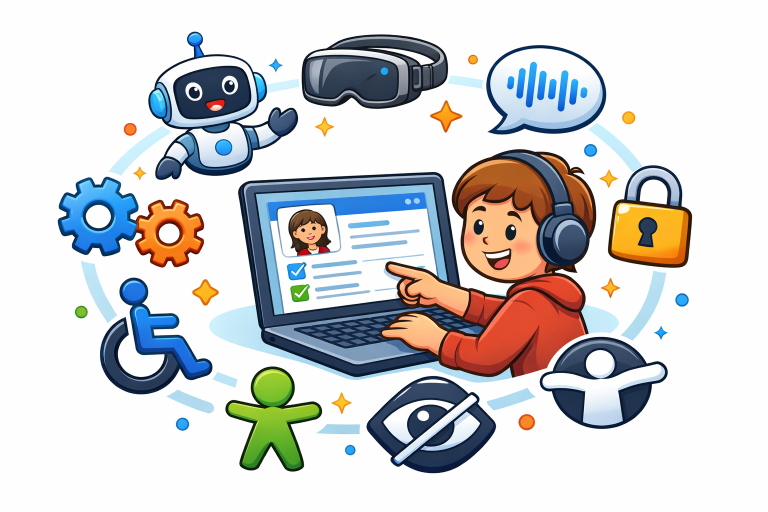
For instance, with machine learning, interfaces can suggest features you use most, offer shortcuts, or display relevant notifications at the right moment. These advancements help foster brand loyalty by making users feel understood and valued. Insights from CIOs show that businesses leveraging AI for personalization achieve higher engagement rates and retention.
Immersive Technologies: AR and VR
The rise of Augmented Reality (AR) and Virtual Reality (VR) is introducing new dimensions to account profile interfaces. These immersive technologies enable users to visualize and interact with their profiles in three-dimensional or lifelike environments. For example, a VR profile customization tool lets users design avatars, adjust layouts, and manage settings in a virtual space, making the experience intuitive and engaging.
In sectors like gaming and e-commerce, AR-driven features enable in-depth customization and real-time previewing of changes. According to WIRED, companies that invest in immersive interfaces foster stronger user engagement and differentiation from competitors.
Accessibility and Inclusivity
An inclusive account profile interface ensures access for users of all abilities. This means implementing features such as customizable font sizes, high-contrast modes, and screen reader compatibility. Voice navigation options and alternative input methods are becoming integral, making sure everyone can interact effectively with digital profiles.
Progressive companies are now adopting universal design principles early in their development cycle so that accessibility is built in, not added as an afterthought. These efforts also help meet legal requirements and expand the potential user base.
Voice and Conversational Interfaces
The integration of voice-activated technology and conversational UI is changing how users manage profiles. Natural Language Processing (NLP) enables users to navigate menus, adjust settings, and update personal information solely by voice. This shift is particularly valuable for users with disabilities or those preferring hands-free interaction.
Conversational assistants and chatbots embedded in profile sections offer instant help or guidance. They can answer questions or complete simple tasks, making the process smoother and more approachable for all users.
Minimalist Design with Microinteractions
Minimalism emphasizes clarity, ease of use, and purpose. Today’s interfaces focus on removing clutter and presenting information simply, allowing users to find what they need quickly. Interfaces now feature purposeful microinteractions, such as subtle haptics or animated feedback, which provide real-time cues and enhance the overall feel.
These small animations or feedback mechanisms make navigation intuitive and satisfying, while still maintaining a professional look. Microinteractions also serve as guides, helping users avoid errors or understand system status changes.
Data-Driven Decision Making
Using analytics to guide design improvements is becoming essential. By tracking interactions and gathering user feedback, design teams can pinpoint pain points, identify successful features, and prioritize updates. Data-driven design ensures that interfaces remain responsive to real user needs.
Continuous improvement based on metrics not only optimizes the user journey but also supports informed business decisions. This transparent, iterative process creates a feedback loop that benefits both users and organizations.
Security and Privacy Enhancements
Protecting user data is a growing priority in account profile design. Today’s interfaces often include advanced security features, such as biometric authentication and two-factor verification. These methods help ensure that profile data remains private even if other credentials are compromised.
Companies are also making privacy policies clearer and offering users greater control over which data is shared and how it is used. Empowering users to make informed choices builds trust and positions brands as responsible data custodians.
Conclusion
Innovations in personalization, immersion, inclusivity, and security shape the future of account profile interfaces. Businesses that prioritize these elements will meet rising user expectations and build lasting engagement in the digital age. Embracing evolving technologies and user-centric approaches is key to creating account profiles that stand out and delight users across industries.

Building A Better Commercial Painting Plan From Prep To Completion

What Makes Legal Marketing Different From Marketing Almost Anything Else?

Why Bar Stools Can Completely Change the Feel of a Kitchen
Ways Proper Garage Door Installation Improves Performance

How to Compare Maine Neighborhoods Before Buying a Home in 2026

The Future of Home EV Charging: Trends, Benefits, and What Drivers Need to Know

How Septic Tank Pumping Services in Huntsville AL Protect Soil Absorption Systems

Foundation Crack Repair Using Injection Methods

How do you know when you need to change your primary care doctor
The Importance of Accurate Inventories Before Moving Day
Ways Proper Garage Door Installation Improves Performance
What Makes Legal Marketing Different From Marketing Almost Anything Else?
Why Bar Stools Can Completely Change the Feel of a Kitchen