
Technology
How Social Connection Enriches Senior Living

Table of Contents
- Emotional Benefits of Social Engagement
- Cognitive Enhancement Through Social Interaction
- Physical Health Improvements Linked to Social Ties
- Designing Communities to Foster Connection
- Programs and Activities That Build Relationships
- Overcoming Barriers to Socialization
- The Role of Staff in Promoting Social Well-being
- Conclusion
As we move into our later years, relationships and community ties are essential to enjoying a vibrant and healthy life. Seniors who actively engage with others benefit not only emotionally but also physically and cognitively. In thoughtfully designed senior living communities, the atmosphere encourages connections, turning everyday life into a rewarding experience. Options like resort-style independent living provide an environment where social opportunities are readily available, helping seniors create lasting friendships and truly enjoy their retirement years.
Maintaining social well-being can transform “getting older” into an opportunity for new beginnings, laughter, and mutual support. Whether sharing a meal or joining a conversation, seniors rediscover purpose and belonging through these connections. Social engagement is recognized as a factor that extends life expectancy and improves overall happiness, making it one of the most important pillars of successful aging. Senior living communities that focus on social connection often report that residents experience less isolation and greater fulfillment day to day, underscoring why this facet of senior living remains so critical.
For many people, retirement is a time to explore interests and meet like-minded peers. The right senior living environment supports these goals by making social experiences easy to access, removing logistical challenges, and providing welcoming common spaces. New relationships often emerge naturally when residents participate in shared activities, hobbies, and celebrations, reinforcing a joyful atmosphere where everyone is included. Research points to these interactions as a key reason why seniors living in community settings tend to experience greater happiness and better physical health. According to Harvard Health, cultivating social ties may be as important for longevity as exercise and a healthy diet.
Senior living communities are responding by integrating purposeful social activities into their calendars. Whether it is book clubs, gardening events, or music nights, these programs bring people together. Purposeful social engagement also helps create a stronger sense of community, making each feel valued and seen.
Emotional Benefits of Social Engagement
Meaningful connections elevate happiness and stave off feelings of loneliness and isolation. Seniors who develop friendships and share daily experiences generally feel a greater sense of belonging and fulfillment. Emotional health can flourish in an environment where peers share similar life stages and can offer support and understanding. Participating in group activities or simply having regular conversations enables seniors to talk through both joys and challenges, creating a vital support system. Engaging with others can also reduce stress, lower anxiety, and make transitions far less daunting. This nurturing atmosphere shows that emotional well-being depends just as much on well-being relationships as on maintaining routines or healthy habits.
Cognitive Enhancement Through Social Interaction
Social activities are exercise for the brain. Interaction with others stimulates memory, sharpens focus, and even encourages lifelong learning. It is not just about reminiscing but about forming new memories and adding fresh dimensions to life. Seniors who engage in conversations, trivia nights, or creative workshops are continually challenging their minds. Experts emphasize that regular social participation can even slow cognitive decline or delay conditions like dementia. A recent overview from Harvard Health underscores that meaningful relationships and ongoing learning both play crucial roles in cognitive health, making social opportunities all the more vital in later life.
Physical Health Improvements Linked to Social Ties
Staying socially active can boost immune function, regulate blood pressure, and reduce the risk of chronic diseases. Physical activities become more enjoyable when shared, motivating seniors to walk, participate in fitness classes, or join dance groups. These interactions not only support mobility but also increase overall motivation to maintain healthy routines. In many communities, gardening clubs and outdoor events foster connection while encouraging movement and fresh air. The combined benefits of regular physical activity and genuine companionship have been linked to a lower incidence of heart disease, fewer falls, and better recovery rates after illness.
Designing Communities to Foster Connection
Modern senior living spaces are intentionally designed to inspire interaction. Spacious dining rooms, comfortable lounges, and peaceful gardens all provide opportunities for residents to gather informally or for planned events. Engaging communal areas invites residents to linger and get to know one another, transforming passing interactions into budding friendships. It is not just about aesthetics but also about creating an environment where residents feel welcome and at ease. Accessibility is also key, so spaces are designed for all mobility levels, ensuring no one is left out due to physical limitations. Designed thoughtfully, these communities create countless possibilities for connection throughout the day.
Programs and Activities That Build Relationships
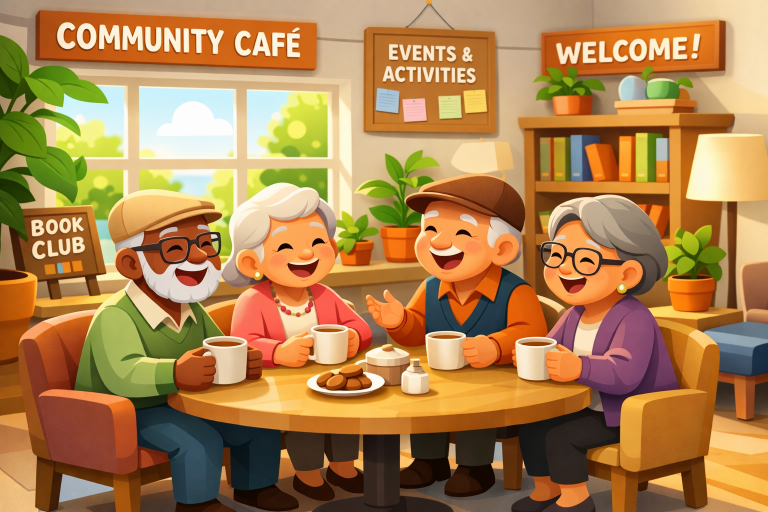
Senior living communities often develop calendars full of events to encourage participation and socialization. Book discussions, film screenings, communal meals, and shared holiday celebrations are just a sample of what can bring people together. Structured programs such as art classes or music groups provide a routine and a sense of anticipation, which can be especially meaningful for those who thrive on consistency. Even smaller daily rituals, like morning coffee gatherings or evening strolls, can become highlights of the day that build camaraderie. These shared experiences become the foundation for strong, resilient social networks within the community.
Overcoming Barriers to Socialization
Some seniors may be hesitant to join group activities due to mobility challenges, health concerns, or introversion. The best senior living communities proactively address these hurdles. They create welcoming environments tailored to multiple preferences and abilities, offering options from quiet games to lively dances. Individual introductions by staff, buddy systems, and personalized activity schedules help ensure that everyone finds a way to connect that feels comfortable. Virtual social opportunities are also made available for those who may prefer or need to engage from the privacy of their residence. This inclusive approach means social happiness is truly within everyone’s reach.
The Role of Staff in Promoting Social Well-being
Above all, compassionate and attentive staff are the backbone of senior living communities. They are often the catalysts who organize events, introduce residents, and set the tone for inclusivity. Staff members remain observant and flexible, recognizing when individuals might need a little encouragement or extra assistance to join in. Their involvement not only makes activities run smoothly but also helps residents feel seen, appreciated, and encouraged to be part of the whole. By fostering a caring and energetic environment, staff contribute immeasurably to the community’s collective well-being.
Conclusion
Social connection is fundamental to well-being and happiness at any age, but it is especially transformative in later life. In senior living settings that emphasize social engagement, residents benefit from robust emotional support, ongoing cognitive stimulation, and improved physical health. By making opportunities for connection central to their mission, these communities ensure that everyone can enjoy a fuller, more fulfilling chapter in life.

Building A Better Commercial Painting Plan From Prep To Completion

What Makes Legal Marketing Different From Marketing Almost Anything Else?

Why Bar Stools Can Completely Change the Feel of a Kitchen
Ways Proper Garage Door Installation Improves Performance

How to Compare Maine Neighborhoods Before Buying a Home in 2026

The Future of Home EV Charging: Trends, Benefits, and What Drivers Need to Know

How Septic Tank Pumping Services in Huntsville AL Protect Soil Absorption Systems

Foundation Crack Repair Using Injection Methods

How do you know when you need to change your primary care doctor
The Importance of Accurate Inventories Before Moving Day
Ways Proper Garage Door Installation Improves Performance
What Makes Legal Marketing Different From Marketing Almost Anything Else?
Why Bar Stools Can Completely Change the Feel of a Kitchen