
Real Estate
How Selling a Mobile Home Park Can Impact Your Community

Table of Contents
- Reasons for Selling a Mobile Home Park
- Immediate Effects on Residents
- Long-Term Community Changes
- Economic Implications
- Legal Rights and Protections
- Resident Ownership as a Solution
- Final Thoughts
When a mobile home park changes hands, the transformation can have significant effects on everyone connected to it. Residents, local business owners, policymakers, and the broader community may all experience different consequences. Understanding what happens after a sale is important, whether you are considering selling a park, living in one, or simply looking out for your neighborhood. For those contemplating a transition, resources like Sell My Mobile Home Park Cash can provide valuable guidance through this process.
The impact of a mobile home park sale ripples outwards, often reaching far beyond the property line. Decisions made by new owners can reshape lives, trigger economic changes in the community, and even alter the character of the neighborhood. The uncertainty that comes with new ownership can be stressful for many, especially residents unsure about their future in the park.
Owners may sell their parks for various reasons. Some face economic pressures or see changes in the surrounding area as an incentive to move on, while others simply want to capitalize on rising property values.
Reasons for Selling a Mobile Home Park
Mobile home park owners might consider selling for a variety of reasons, including financial pressure, changing development trends, or a shift in investment priorities. Economic incentives often top the list. As property values rise in some areas, owners see an opportunity to sell at a profit. For those exploring exit options, resources like https://www.sellmymobilehomeparkcash.com/ can provide insight into cash-based selling pathways. Urban development is another major factor. Cities expanding outward sometimes target mobile home parks for redevelopment, prompting owners to sell to developers or investors.
Investment opportunities can also play a key role. Some buyers look to acquire parks to increase rents, redevelop land, or simply hold them as long-term assets. The choice to sell, regardless of the reason, sets many changes in motion for everyone involved.
Immediate Effects on Residents
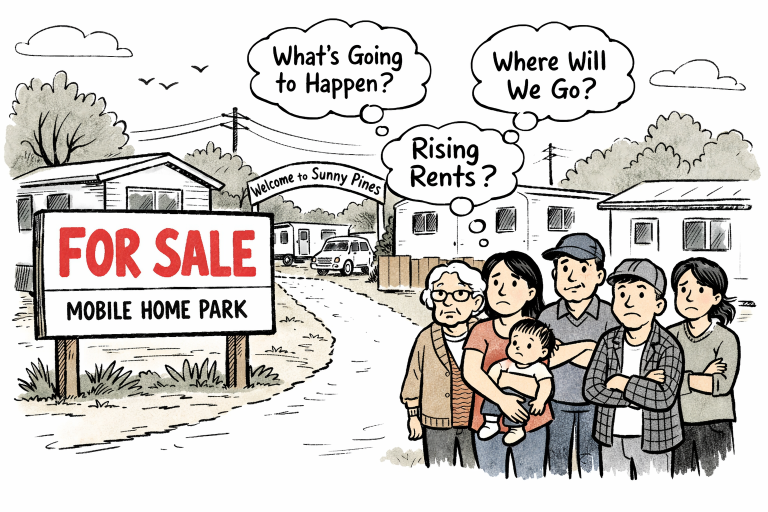
A mobile home park sale often brings immediate, noticeable changes for residents. Rent increases are common after a transfer of ownership, as investors seek to maximize returns. These increases may strain resident budgets and threaten housing stability.
Management styles often shift as well. New owners may introduce new rules, policies, or management approaches, affecting how the community operates day to day. Such changes can disrupt established routines and heighten residents’ feelings of uncertainty.
Perhaps the most significant immediate effect is the uncertainty itself. Many residents worry about eviction or displacement, unsure what the new owner’s long-term intentions are. The emotional toll of this insecurity can be significant, particularly for long-term community members.
Long-Term Community Changes
The consequences of a mobile home park sale can extend far into the future. Over time, rising rents may lead to the departure of longstanding residents, gradually altering the community’s social fabric. This demographic shift can mean a loss of familiar faces and weakened community bonds.
Community infrastructure may change: some owners invest in upgrades and amenities, while others may neglect maintenance in pursuit of higher profits. These choices can affect everything from the safety of playground equipment to the reliability of water systems.
Perhaps most profoundly, the community’s sense of cohesion can erode. New rules, management changes, and demographic shifts can make people feel less connected to their neighbors and surroundings.
Economic Implications
The sale of a mobile home park is not only a residential issue; it can also affect local economies. The potential displacement of residents reduces the customer base for nearby businesses. Smaller stores and service providers, in particular, can feel the impact when families move out and are replaced more slowly, or not at all.
Redevelopment of the site can drive up property values throughout the area, sometimes pricing out existing residents and increasing the cost of living. This process, often referred to as gentrification, can have significant long-term economic consequences.
Legal Rights and Protections
Mobile home park residents are not without recourse when a sale takes place. In many areas, laws require owners to provide advance notice of a pending sale. This gives residents time to prepare or pursue other arrangements. Some jurisdictions grant residents the right of first refusal, allowing them to make an offer on the park before outside parties are considered.
Protections against eviction also exist in some states, limiting the circumstances under which residents can be forced out or dictating procedures that must be followed. It is essential for residents to be aware of these rights and seek assistance from legal aid organizations when needed.
Resident Ownership as a Solution
When residents organize to purchase their community, they gain control over rents, management, and future development. Forming a cooperative to buy the park can lead to greater stability, affordable rates, and a stronger sense of empowerment. Resident-led communities also tend to focus more on maintaining quality of life for members, as their decisions are shaped by those who actually live there.
This approach often results in longer-term stability and fosters deeper community bonds. Local and national programs exist to support residents in pursuing cooperative ownership models, making this path a practical option for some parks facing transition.
Final Thoughts
The sale of a mobile home park is a complex process that can lead to profound changes within a community. By educating themselves about potential impacts, understanding their legal rights, and exploring solutions such as resident ownership, communities can better navigate periods of transition. Engaging with trusted resources lets residents, owners, and policymakers work toward outcomes that maintain affordable housing, protect residents, and strengthen neighborhoods for the future.

Building A Better Commercial Painting Plan From Prep To Completion

What Makes Legal Marketing Different From Marketing Almost Anything Else?

Why Bar Stools Can Completely Change the Feel of a Kitchen
Ways Proper Garage Door Installation Improves Performance

How to Compare Maine Neighborhoods Before Buying a Home in 2026

The Future of Home EV Charging: Trends, Benefits, and What Drivers Need to Know

How Septic Tank Pumping Services in Huntsville AL Protect Soil Absorption Systems

Foundation Crack Repair Using Injection Methods

How do you know when you need to change your primary care doctor
The Importance of Accurate Inventories Before Moving Day
Ways Proper Garage Door Installation Improves Performance
What Makes Legal Marketing Different From Marketing Almost Anything Else?
Why Bar Stools Can Completely Change the Feel of a Kitchen