
Technology
Trends Shaping the Future of Commercial Remodeling

Key Takeaways
- Integration of innovative building technologies enhances operational efficiency and occupant comfort.
- Sustainable practices and materials are becoming standard in commercial remodeling projects.
- Modular and prefabricated construction methods offer cost-effective and time-saving solutions.
- Adaptive reuse of existing structures promotes sustainability and preserves historical value.
- Emphasis on wellness-centric designs improves employee well-being and productivity.
Table of Contents
- Integration of Smart Building Technologies
- Embracing Sustainable Practices
- Adoption of Modular and Prefabricated Construction
- Adaptive Reuse of Existing Structures
- Focus on Wellness-Centric Design
Commercial remodeling is experiencing a rapid transformation as technology, sustainability, and human-centric design become key focus areas for business owners. Today’s companies recognize that modern spaces are more than just aesthetically pleasing—they’re strategic assets designed to improve efficiency, attract talent, and ensure operational resilience. For industry leaders and stakeholders planning their next project, staying up to date with the newest trends is essential for success. To discover a range of solutions to enhance your commercial property, explore https://verticalgc.com/services/commercial-remodeling/ for expert guidance and innovative approaches tailored to evolving business needs.
Commercial remodeling today emphasizes durability, adaptability, and long-term value. Businesses are redesigning spaces to support hybrid work, improve energy efficiency, and enhance employee well-being, all while navigating new technologies, regulations, and higher expectations. Successful remodeling balances sustainability goals, smart technology integration, and flexible construction methods to maximize real estate value and future-proof facilities. Emerging trends highlight innovative systems, biophilic design, and green certifications, signaling that the most resilient commercial spaces will be functional, adaptable, and health-focused.
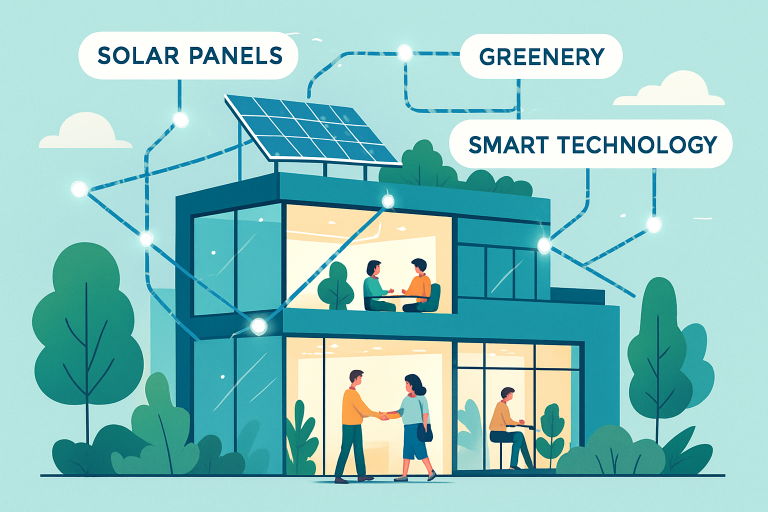
Integration of Smart Building Technologies
Smart building systems now sit at the heart of many modern commercial renovations. These technologies allow businesses to monitor and adjust lighting, heating, cooling, and security using centralized dashboards and automated controls. According to CNBC, some of the world’s most sustainable buildings showcase how advanced technologies and design strategies can dramatically reduce energy consumption. Sensors and IoT devices deliver real-time usage data, enabling facility managers to make evidence-based decisions that lower operational costs and shrink carbon footprints.
Features and Benefits
- Energy savings through responsive HVAC and lighting controls
- Enhanced safety and security systems with remote access
- Increased occupant comfort with individualized work zones
- Data-driven maintenance and asset management for long-term cost reduction
Embracing Sustainable Practices
Environmental responsibility is now a fundamental requirement for commercial remodeling projects. Building owners are specifying renewable and reused materials, high-performance insulation, and low-emission adhesives and paints. Green roofs, advanced water conservation systems, and solar integration further minimize a property’s ecological footprint.
Industry Standards
- LEED and WELL certifications, signaling commitment to transparency and sustainable outcomes
- Natural daylighting and proper ventilation for healthier indoor environments
- Responsible waste management during demolition and construction phases
Adoption of Modular and Prefabricated Construction
Modular construction methods are revolutionizing how commercial spaces are remodeled, delivering pre-engineered components manufactured off-site and assembled on-site. This approach yields substantial time savings, less on-site labor, and more predictable project outcomes.
Advantages of Modular and Prefabricated Builds
- Reduced construction timelines through parallel off-site fabrication
- Consistent manufacturing quality and reduced waste
- Greater flexibility for future expansion or adjustments
- Minimized disruption to ongoing business operations
As labor shortages and material cost volatility continue, more commercial clients are turning to modular options for predictable project delivery and cost efficiencies.
Adaptive Reuse of Existing Structures
Adaptive reuse refers to transforming underutilized or aging buildings into modern commercial spaces. This strategy preserves a city’s architectural history while reducing the environmental impact associated with demolishing and constructing new buildings. Projects may include converting factories into retail centers, warehouses into offices, or historic homes into boutique hospitality venues.
Why Adaptive Reuse?
- Significant reduction in construction waste and embodied carbon
- Opportunity to retain unique architectural features
- Revitalization of communities and increased property values
- Potential qualification for financial incentives or historic tax credits
Adaptive reuse is particularly valuable in dense urban areas where new development options are limited, and the preservation of cultural heritage is a public concern.
Focus on Wellness-Centric Design
Post-pandemic, there is renewed commitment to designing commercial environments that prioritize employee health, satisfaction, and retention. Wellness-centric remodeling includes strategies such as maximizing natural light, incorporating greenery, utilizing acoustic comfort solutions, and enabling flexible workspace layouts.
Elements of Wellness Design
- Biophilic design elements (e.g., living walls, indoor gardens)
- Improved indoor air quality using non-toxic materials and proper ventilation
- Access to outdoor spaces and amenities that encourage movement
- Ergonomically designed furniture and adaptable meeting areas
Businesses investing in wellness-centric spaces enjoy increased productivity, reduced absenteeism, and enhanced company culture. Employee-centric environments are a driving force behind modern commercial property demand. Commercial remodeling is now about more than bricks and mortar. It’s a strategic investment in technology, sustainability, and well-being—delivering spaces that are efficient, flexible, and responsive to future demands.

How to Plan a Safer, Longer-Lasting Industrial Metal Fabrication Project in Lufkin, Texas

How to Keep Phoenix, Arizona Homes Pest-Ready During Monsoon Season
Floating Dock Contractors and the Basics of a Stable Dock System

How to Judge a Mountain Home Before You Buy in Aspen, Colorado

Building A Better Commercial Painting Plan From Prep To Completion

What Makes Legal Marketing Different From Marketing Almost Anything Else?

Why Bar Stools Can Completely Change the Feel of a Kitchen
Ways Proper Garage Door Installation Improves Performance

How to Compare Maine Neighborhoods Before Buying a Home in 2026

The Future of Home EV Charging: Trends, Benefits, and What Drivers Need to Know
Building A Better Commercial Painting Plan From Prep To Completion
How to Judge a Mountain Home Before You Buy in Aspen, Colorado
Floating Dock Contractors and the Basics of a Stable Dock System
How to Keep Phoenix, Arizona Homes Pest-Ready During Monsoon Season