
Roofing
Preventing Slab Leaks in Modern Homes

Table of Contents
- Understanding Slab Leaks
- Regular Plumbing Inspections
- Monitoring Water Pressure
- Upgrading Plumbing Materials
- Maintaining Soil Moisture
- Installing Leak Detection Systems
- Proper Drainage and Landscaping
- Conclusion
Slab leaks are among the most insidious threats to a modern home’s foundation and plumbing infrastructure. If left unchecked, these leaks can cause extensive property damage, skyrocketing repair costs, and even jeopardize the structural integrity of your home. For those looking to keep their homes safe, understanding the root causes and proactive measures to prevent slab leaks is essential. Local homeowners interested in expert solutions should consider professional slab leak detection & repair in Ruston to address both minor concerns and urgent repairs before they escalate into major problems.
Many issues behind slab leaks go undetected until significant harm has occurred. By understanding how to spot warning signs early, implementing routine maintenance, and staying informed about the latest leak-prevention technology, you can dramatically reduce your risk. Preventative action not only protects your investment but also preserves the integrity and comfort of your living space for years to come.
Understanding Slab Leaks
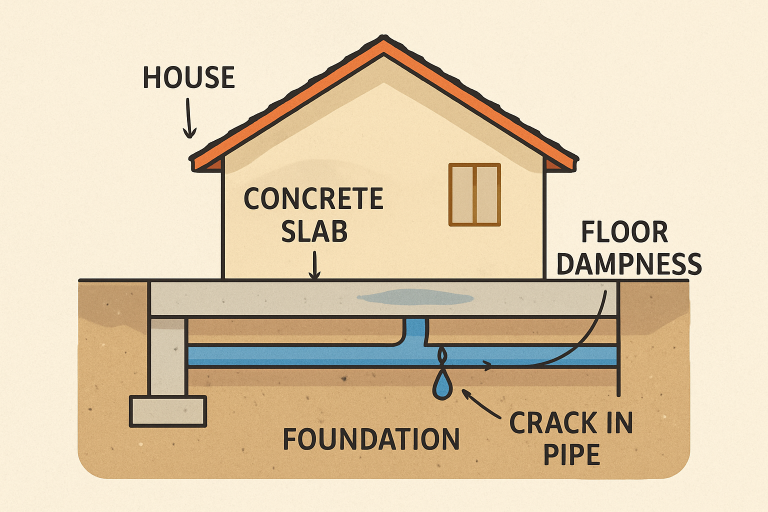
Slab leaks occur when water lines located beneath a concrete slab foundation crack, corrode, or break. This problem is widespread in older homes, but even new construction can be susceptible to it due to poor-quality materials, improper installation, or shifting soil. Unfortunately, since these pipes are encased in concrete, early signs of trouble may be subtle and easy to miss. According to This Old House, recognizing warning signs early, such as damp flooring or running water, can prevent extensive structural damage and costly repairs.
The primary causes of slab leaks include pipe corrosion, abrasion from ongoing contact with concrete or gravel, excessive water pressure, and the natural expansion and contraction of soil. Symptoms such as unexplained increases in water bills, damp flooring, warm spots on the floor, or the sound of running water when taps are off should never be ignored, as they might indicate a hidden leak beneath your home’s foundation.
Regular Plumbing Inspections
Prevention is best achieved through vigilance and regular inspections by a licensed plumbing professional. Annual inspections provide the opportunity to uncover early warning signs, such as minor corrosion or slow leaks, before they spiral into major slab leaks. According to CalBiz Journal, routine plumbing checkups not only help detect hidden issues but also extend the lifespan of your entire plumbing system by addressing problems before they become costly emergencies. These experts have the tools and expertise to inspect inaccessible plumbing sections, identify subtle leaks, and recommend preventive repairs that could save homeowners thousands of dollars in the long run.
Monitoring Water Pressure
Many homeowners are unaware that their water pressure could be silently wreaking havoc on their plumbing system. When pressure exceeds safe levels (generally above 60 psi), the risk of pipe stress and eventual rupture increases dramatically. A professional can install a pressure regulator to keep water pressure in the ideal range. Regularly checking and maintaining this regulator is essential—if you notice sudden pressure fluctuations, it may be time for an inspection or upgrade.
Upgrading Plumbing Materials
Outdated or low-quality plumbing materials, such as galvanized steel or polybutylene, are particularly susceptible to corrosion and breakage. Modern options like PEX (cross-linked polyethylene) and copper are more durable and resilient. Homeowners with older properties should prioritize replacing high-risk pipes. This upgrade not only reduces the risk of slab leaks but also improves overall water quality and flow throughout the house.
Maintaining Soil Moisture
Foundations are especially vulnerable when the ground beneath them rapidly expands and contracts due to rapid changes in moisture. To keep the soil moisture around your foundation consistent, water the area evenly during droughts and avoid overwatering. Soaker hoses can ensure even distribution, and mulching around the perimeter can help retain soil moisture. Such environmental controls reduce tension on your pipes and minimize shifting that can trigger slab leaks.
Installing Leak Detection Systems
Smart leak detection systems are a worthwhile investment for any modern homeowner. These devices monitor your entire home’s water usage and instantly alert you to unusual patterns that may signal a leak. Many systems feature automatic shut-off valves that can prevent catastrophic damage. Integrating such technology offers peace of mind and an invaluable extra layer of security for your property and family.
Proper Drainage and Landscaping
Water pooling near the foundation often leads to soil movement, increased pipe stress, and an increased risk of slab leaks. Ensure gutters and downspouts are clear and that all water is directed at least five feet away from your home’s foundation. Proper grading of the landscape is also crucial—yards should slope gently away from the house. Thoughtful landscaping keeps your home safe from water intrusion and related plumbing issues.
Conclusion
Preventing slab leaks is a multifaceted effort that involves regular inspections, managing water pressure, using appropriate plumbing materials, maintaining consistent soil moisture, smart monitoring, and disciplined drainage practices. By staying proactive and informed, homeowners can dramatically reduce their risk of costly, disruptive slab leaks, preserving their home’s value and long-term security.

Building A Better Commercial Painting Plan From Prep To Completion

What Makes Legal Marketing Different From Marketing Almost Anything Else?

Why Bar Stools Can Completely Change the Feel of a Kitchen
Ways Proper Garage Door Installation Improves Performance

How to Compare Maine Neighborhoods Before Buying a Home in 2026

The Future of Home EV Charging: Trends, Benefits, and What Drivers Need to Know

How Septic Tank Pumping Services in Huntsville AL Protect Soil Absorption Systems

Foundation Crack Repair Using Injection Methods

How do you know when you need to change your primary care doctor
The Importance of Accurate Inventories Before Moving Day
Ways Proper Garage Door Installation Improves Performance
What Makes Legal Marketing Different From Marketing Almost Anything Else?
Why Bar Stools Can Completely Change the Feel of a Kitchen