
Real Estate
How to Streamline Rental Property Operations for Landlords

Key Takeaways
- Implementing technology can significantly enhance property management efficiency.
- Automating routine tasks reduces errors and saves time.
- Effective communication channels improve tenant satisfaction and retention.
Successful rental property management relies on efficiency, proactive processes, and responsive tenant relations. With rising tenant expectations and evolving legal requirements, landlords must leverage new strategies to ensure seamless operations. Integrating innovative solutions, such as digital communication and automation tools, can set landlords apart, foster tenant satisfaction, and increase profitability in any market—including those seeking property management in Ardmore, PA.
From automating tedious tasks to creating transparent communication channels, there are practical steps every landlord can take to simplify their workload. Streamlining these processes not only allows property owners to focus on growth but also helps them avoid common pitfalls, such as missed maintenance or rent collection delays. Mastering these efficiencies is crucial for both new landlords and seasoned investors managing multiple properties.
Property managers have an opportunity to adopt solutions that centralize documentation, optimize workflows, and enhance interactions with tenants. Modern tenants expect convenience, transparency, and quick responses, making these tools and approaches far more than optional considerations. Operational improvements offer compounding benefits, improving both property values and tenant loyalty.
Staying competitive means landlords need to be informed. Industry leaders increasingly rely on a combination of automated systems, digital resources, and proven communication strategies to maximize their rental income while minimizing unnecessary stress and risk.
Leverage Property Management Software
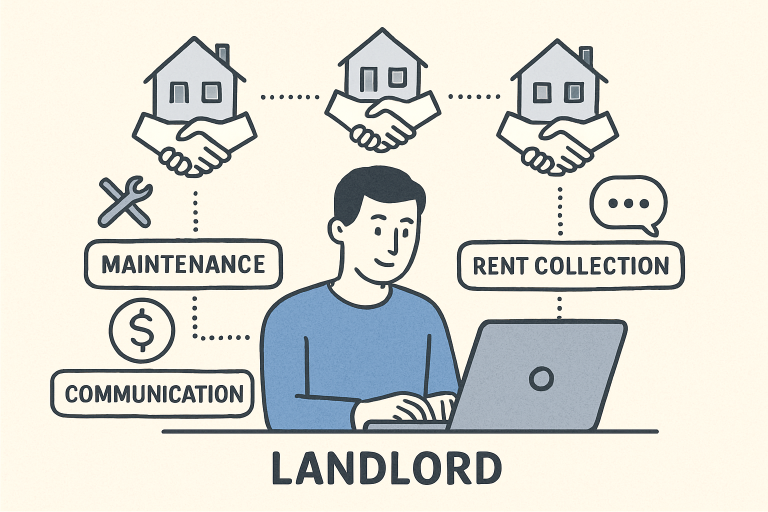
Property management software has revolutionized the way landlords manage their daily responsibilities. These platforms centralize rent collection, maintenance scheduling, lease renewals, and accounting into a single, intuitive dashboard. The benefits are clear: less paperwork, fewer missed tasks, and a complete digital record for every property and tenant. Advanced features, such as automated reminders and financial document generation, streamline operations, reduce errors, and make it easier to identify opportunities to cut costs or improve services.
Automate Rent Collection
The move to digital, automated rent collection is a game-changer. Direct deposits, online payment portals, and recurring payment systems eliminate late checks and manual follow-up. According to a report by Hoozzee, automating rent collection not only ensures timely income but also significantly reduces administrative burdens for landlords, fostering predictability in cash flow and minimizing common friction points between tenants and property owners. Automation also allows landlords to set up late fees or reminders that trigger automatically, creating clear expectations for all parties involved.
Implement Efficient Communication Channels
Clear, prompt communication with tenants is essential. By using dedicated messaging apps or online platforms, landlords can maintain organized conversations and respond quickly to maintenance requests or tenant concerns. Proactive outreach, such as digital newsletters or scheduled maintenance notifications, further drives transparency and tenant satisfaction. Establishing regular communication reduces misunderstandings and helps retain responsible tenants by addressing minor issues before they grow.
Benefits of Digital Communication Platforms
- Instant notification of tenant requests and updates
- Centralized record-keeping for peace of mind
- Higher tenant engagement and sense of community
Standardize Tenant Screening Processes
Minimizing risk starts with careful tenant selection. Standardizing application procedures ensures all prospective tenants (regardless of property type or location) undergo the same rigorous evaluation—usually involving credit reports, criminal history, and prior rental verification. Thorough screening is correlated with fewer payment and property upkeep issues. Industry data consistently supports that a uniform, fair process eliminates bias and strengthens legal compliance, decreasing the risk of discrimination claims and costly evictions.
Adopt Sustainable Practices
Sustainability in rental management is increasingly demanded by tenants and benefits landlords in the long run. Upgrades such as LED lighting, smart thermostats, low-flow fixtures, and recycling initiatives reduce utility expenses and attract environmentally conscious renters. Green certifications and sustainable upgrades can also add property value and widen market appeal. Implementing eco-friendly habits not only conserves resources but also helps landlords stand out in crowded markets.
Utilize Virtual Property Showings
Virtual tours are an invaluable tool for landlords, particularly those managing multiple properties or locations that are far from their base. Interactive 3D walkthroughs and live video showings allow prospective tenants to explore listings from anywhere, saving time and travel costs while reaching a broader audience. These online experiences let renters view properties at their convenience, often speeding up decision-making and reducing vacancy periods. What began as a pandemic-driven necessity has now become a standard practice for property managers catering to tech-savvy renters.
Conclusion
Effective property management is about consistency, clarity, and adaptability. By implementing digital tools and standardized systems, landlords not only reduce manual workload but also create more positive, long-lasting relationships with tenants. The payoff is measurable: more on-time payments, fewer disputes, higher tenant retention, and ultimately, increased profits. For those ready to advance their real estate investments, adopting these streamlined practices is a strategic investment in sustained success.

Building A Better Commercial Painting Plan From Prep To Completion

What Makes Legal Marketing Different From Marketing Almost Anything Else?

Why Bar Stools Can Completely Change the Feel of a Kitchen
Ways Proper Garage Door Installation Improves Performance

How to Compare Maine Neighborhoods Before Buying a Home in 2026

The Future of Home EV Charging: Trends, Benefits, and What Drivers Need to Know

How Septic Tank Pumping Services in Huntsville AL Protect Soil Absorption Systems

Foundation Crack Repair Using Injection Methods

How do you know when you need to change your primary care doctor
The Importance of Accurate Inventories Before Moving Day
Ways Proper Garage Door Installation Improves Performance
What Makes Legal Marketing Different From Marketing Almost Anything Else?
Why Bar Stools Can Completely Change the Feel of a Kitchen