
Health
How Safe Are City Streets for Pedestrians Today?

Key Takeaways
- Pedestrian fatalities have surged by more than 80% over the past 15 years, with urban roads presenting the most significant challenges.
- Walking at night significantly increases the risk of accidents, mainly due to poor lighting and high vehicle speeds.
- U.S. cities are experimenting with programs to prioritize pedestrian safety, but results vary.
- Investment in advanced technology and infrastructure is key to safer streets for everyone.
Introduction
The question of how safe city streets are for pedestrians today has never been more urgent. America’s urban landscapes bustle with daily life, yet recent years have brought alarming trends in pedestrian safety. Whether on the way to work, school, or a neighborhood park, each journey exposes people to risks that many may not anticipate.
As fatality rates climb, understanding why city streets remain so hazardous is critical. If you or someone you know has been affected by a pedestrian accident, consulting a New York pedestrian accident lawyer can provide valuable guidance and help secure the compensation you deserve. Awareness, action, and advocacy all play a crucial role in making urban environments safer for pedestrians.
Current Trends in Pedestrian Safety
Recent research from the AAA Foundation for Traffic Safety reveals a startling rise in pedestrian deaths: an increase of over 80% since the historic low around 2009. The bulk of these fatalities occur on urban arterial roads, where traffic moves quickly and provision for pedestrian safety can lag. These roads are often designed primarily with vehicles in mind, lacking crosswalks, traffic calming, or dedicated pedestrian spaces that could make journeys safer.
The ongoing challenge of balancing mobility and safety on busy streets is reflected in these statistics. According to a comprehensive report by the New York Times, the U.S. recently hit a multi-decade high in traffic deaths, underscoring the urgent need for policy and design reform.
Nighttime Dangers on City Streets
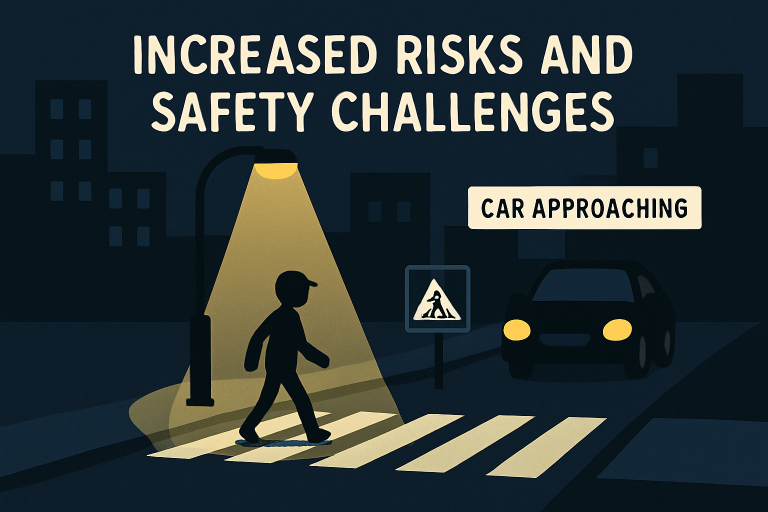
One of the most harrowing findings from recent safety studies is the heightened risk pedestrians face at night. Darkness, often exacerbated by inadequate street lighting, reduces visibility for both drivers and walkers. The AAA’s research shows that a substantial portion of the increase in pedestrian deaths happens after sunset, and the danger is magnified on high-speed roads without well-marked crosswalks or signals.
Efforts to mitigate these risks include city-led initiatives to enhance lighting, repaint faded crosswalks, and implement speed reduction measures after dark. However, progress varies, and the growing number of nighttime incidents highlights the need for sustained attention and investment.
City Initiatives to Enhance Safety
In response to the crisis, many American cities are rethinking how their streets are designed and regulated. New York City, for instance, has continued its Vision Zero campaign, aiming for zero traffic fatalities through various initiatives. Today, the city outfitted more than 790 intersections with accessible pedestrian signals, provided improved crosswalk visibility, and expanded public awareness campaigns to target high-risk neighborhoods. Cities such as Seattle and Los Angeles are also piloting new strategies, including longer crossing times at signals and curb extensions that shorten pedestrian exposure to vehicle traffic.
Beyond New York, other regions have launched creative collaborations with local advocacy groups and public health organizations. These programs aim not only to reduce collisions but also to cultivate a culture of respect and safety for all road users.
Challenges in Implementing Safety Measures
Despite ambitious plans and millions of dollars invested, making city streets safer remains a persistent challenge. Portland’s record-high 69 road fatalities in 2023 highlight how complex factors—such as street layout, speed limits, and inconsistent law enforcement—can compromise the effectiveness of safety programs. Some stretches of road are long overdue for redesign, while others are plagued by chronic issues such as jaywalking or distracted driving.
This reality demonstrates that improving pedestrian safety requires more than just new paint and signage—it necessitates ongoing monitoring, meaningful community engagement, and adjustments based on real-world results. As pointed out in the Washington Post, cities that succeed most often work directly with residents and continuously adapt their approaches.
Technological and Infrastructure Solutions
Safer streets increasingly depend on the convergence of technology and infrastructure. The U.S. Department of Transportation’s recent $1 billion investment targets enhancements ranging from intelligent crosswalk lighting and raised intersections to protected bike and pedestrian lanes. These measures are designed to slow drivers and make pedestrians more visible, particularly at night or during inclement weather.
Emerging vehicle technologies, such as pedestrian detection and automatic emergency braking, are also beginning to make a difference—especially as modern vehicles equipped with these systems become more common. Urban planners and transportation departments are closely monitoring which interventions have the most significant impact to scale up successful models nationwide.
Community Involvement and Education
Effective pedestrian safety programs recognize the importance of community outreach and education. In the greater Washington, D.C. region, for example, the Street Smart campaign combines public service announcements, targeted law enforcement efforts, and school safety programs. By emphasizing a shared responsibility and equipping residents with knowledge, these initiatives help reduce risky behaviors, such as distracted crossing or aggressive driving.
Grassroots efforts, such as neighborhood traffic audits and parent-led walk-to-school groups, enhance the effectiveness of formal programs. When residents organize and hold local leaders accountable, improvements follow, making streets safer and more accessible for children, seniors, and everyone in between.
Conclusion
Although urban streets continue to pose serious dangers to pedestrians, momentum is building toward meaningful, long-term improvements. Cities are redesigning roads with safer crossings, traffic calming measures, and improved lighting, while technology such as smart signals and data-driven planning helps prevent crashes. Stronger policies, more transparent accountability, and equitable enforcement further reinforce safety goals. Just as important, engaged residents and advocacy groups ensure pedestrian needs remain visible and prioritized. When governments, planners, technologists, and communities work together—and commit consistent funding—these efforts become sustainable. The result is a future where walking supports health, accessibility, and economic vitality, transforming streets into shared public spaces that protect lives and encourage confident mobility for everyone worldwide.
Ways Proper Garage Door Installation Improves Performance

How to Compare Maine Neighborhoods Before Buying a Home in 2026

The Future of Home EV Charging: Trends, Benefits, and What Drivers Need to Know

How Septic Tank Pumping Services in Huntsville AL Protect Soil Absorption Systems

Foundation Crack Repair Using Injection Methods

How do you know when you need to change your primary care doctor
The Importance of Accurate Inventories Before Moving Day

Miami Beach Real Estate Trends and Insights for Homebuyers and Sellers

Supporting Aging Loved Ones in Winston-Salem: A Family Guide to Senior Care

The Evolution of Youth Basketball Tournaments: Trends, Technology, and Community Impact
Foundation Crack Repair Using Injection Methods
The Future of Home EV Charging: Trends, Benefits, and What Drivers Need to Know
How Septic Tank Pumping Services in Huntsville AL Protect Soil Absorption Systems