
Technology
How Powertrain Design Influences Vehicle Performance, Efficiency, and Infrastructure Demands

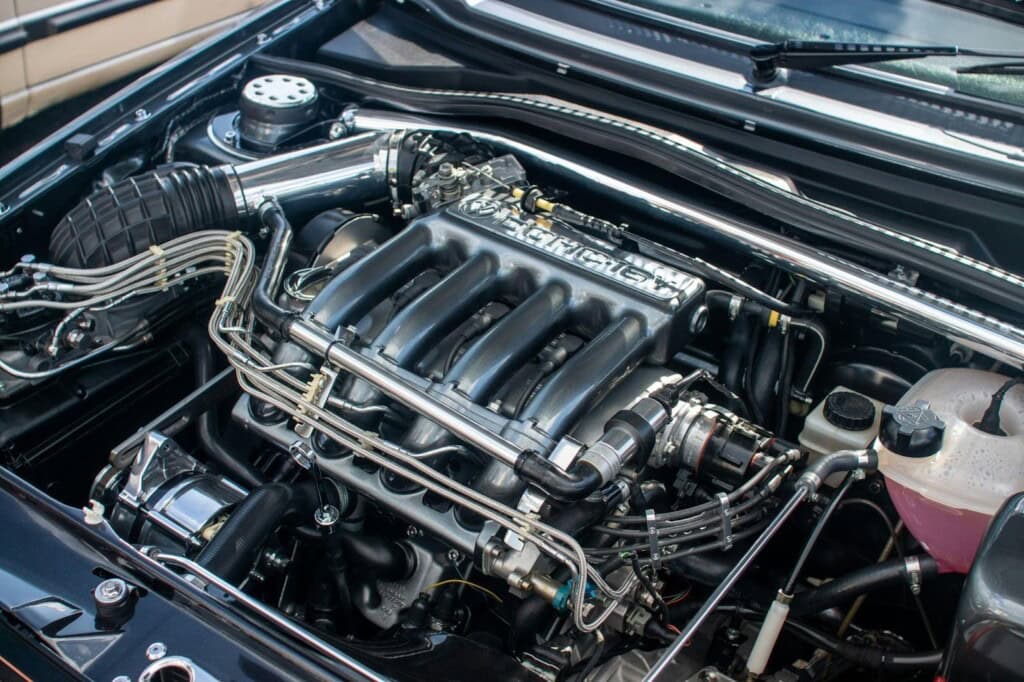
Cars are more than just a body and wheels. The real magic happens underneath. The powertrain is the heart and muscles of your vehicle. This system includes the engine, transmission, and driveline. Its design dictates everything. It determines how fast you accelerate. It controls your fuel economy. It even shapes the world around us.
The choices engineers make here ripple outward. They affect gas stations, electrical grids, and city planning. Let’s connect the dots between what’s under the hood and the world outside your window.

The Performance Equation
Powertrain design is a balancing act. Engineers chase power and torque. More power means faster acceleration. More torque means better towing and hauling. This pursuit leads to different solutions. Some use forced induction like turbochargers. Others rely on large displacement.
A classic example is the high-output 6.2 Chevy engine found in performance trucks and sports cars. It prioritizes robust power for demanding tasks. This design delivers thrilling performance. It also consumes more fuel. Every powertrain choice is a trade-off between capability and consumption. You cannot have unlimited power without consequences.
The Efficiency Mandate
Efficiency is the opposite side of the coin. The goal is to do more with less. This involves shrinking engines. It also involves adding technology. Direct injection, variable valve timing, and cylinder deactivation are now standard. These features optimize every drop of fuel.
Hybrid systems take this further. They pair a smaller gasoline engine with an electric motor. The electric motor assists during acceleration. It captures energy during braking. This combination reduces fuel use dramatically. The design focus shifts from raw power to intelligent energy management.
The Transmission: The Power Director
The engine creates power. The transmission manages it. This component is crucial for both performance and efficiency. Modern transmissions have more gears. Eight, nine, or ten speeds are common. This keeps the engine in its most efficient “sweet spot” more often. It is like having the perfect gear for every single speed.
Performance cars use quick-shifting dual-clutch automatics. They minimize power loss between gears. The transmission design decides how smoothly and effectively engine power reaches the wheels. A great engine with a poor transmission feels sluggish and wasteful.
The Driveline Decision
Where does the power go? This is the driveline’s job. Front-wheel drive is simple and space-efficient. Rear-wheel drive offers better balance for performance. All-wheel drive provides traction in all conditions. Each choice impacts the vehicle.
All-wheel drive adds weight and complexity. It also reduces fuel economy slightly. Rear-wheel drive requires a transmission tunnel. This steals interior space. The driveline configuration influences the vehicle’s character, capability, and daily efficiency.
The Infrastructure Demand: Today’s Gas Stations
Traditional powertrains need liquid fuel. This demands a vast, familiar infrastructure. Gas stations are everywhere. Tanker trucks constantly resupply them. Refineries process millions of barrels of oil daily.
This entire global network exists to feed internal combustion engines. The design of a gasoline-powered car is intertwined with this century-old system. The vehicle and the infrastructure are partners. One cannot exist without the other.
The Infrastructure Demand: Tomorrow’s Grid
Electric vehicles change the equation completely. Their powertrain design creates new demands. They need electricity, not gasoline. This requires a massive build-out of charging stations. Home chargers become essential. The electrical grid itself must become stronger and smarter. It must handle millions of cars plugging in at once.
Furthermore, the production of batteries demands new supply chains. We need mines for lithium and cobalt. We need giant gigafactories. The EV powertrain is not just a car part. It is a catalyst for rebuilding our energy infrastructure.
The Maintenance and Longevity Ripple Effect
Powertrain design dictates maintenance. A simple, naturally-aspirated engine might last longer with basic care. A complex twin-turbo hybrid requires specialized service. This shapes the repair industry. It creates demand for different technician skills.
Reliable designs keep vehicles on the road longer. This reduces the total number of cars needed. It lessens manufacturing demand. A focus on durability is a quiet form of sustainability. It eases pressure on raw material extraction and production resources.
The Policy and Regulation Influence
Governments push for cleaner vehicles. They set fuel economy standards and emissions rules. Powertrain engineers must respond. This leads to innovation. Regulations forced the development of catalytic converters and cleaner-burning engines.
Now, they are spurring the electric revolution. Policy decisions directly steer billions of dollars in powertrain research and development. The design of your engine is often a response to a law written years ago in a distant capital.
The Takeaway
The powertrain is the most influential system in any vehicle. Its design is a series of conscious compromises. These choices define the driving experience. They also dictate the energy we use and the world we build to support it.
The next time you see a new car, look beyond the sheet metal. Think about the engineered heart beating inside. It is not just moving the car. It is quietly shaping our future.

How to Plan a Safer, Longer-Lasting Industrial Metal Fabrication Project in Lufkin, Texas

How to Keep Phoenix, Arizona Homes Pest-Ready During Monsoon Season
Floating Dock Contractors and the Basics of a Stable Dock System

How to Judge a Mountain Home Before You Buy in Aspen, Colorado

Building A Better Commercial Painting Plan From Prep To Completion

What Makes Legal Marketing Different From Marketing Almost Anything Else?

Why Bar Stools Can Completely Change the Feel of a Kitchen
Ways Proper Garage Door Installation Improves Performance

How to Compare Maine Neighborhoods Before Buying a Home in 2026

The Future of Home EV Charging: Trends, Benefits, and What Drivers Need to Know
Building A Better Commercial Painting Plan From Prep To Completion
How to Judge a Mountain Home Before You Buy in Aspen, Colorado
Floating Dock Contractors and the Basics of a Stable Dock System
How to Keep Phoenix, Arizona Homes Pest-Ready During Monsoon Season