
Home Improvement
How Custom Window Treatments Cut Your Energy Bills

Key Takeaways
- Windows significantly impact your home’s overall energy efficiency.
- Custom window treatments can dramatically reduce heating and cooling costs.
- Choosing the right type of window covering improves comfort, lowers bills, and protects interiors from UV damage.
- Proper installation and use of window treatments maximizes their energy-saving potential.
Table of Contents
- Understanding the Impact of Windows on Energy Consumption
- Types of Energy-Efficient Window Treatments
- Benefits of Custom Window Treatments
- Considerations When Choosing Window Treatments
- Installation Tips for Maximum Efficiency
- Financial Incentives and Rebates
- Conclusion
Understanding the Impact of Windows on Energy Consumption
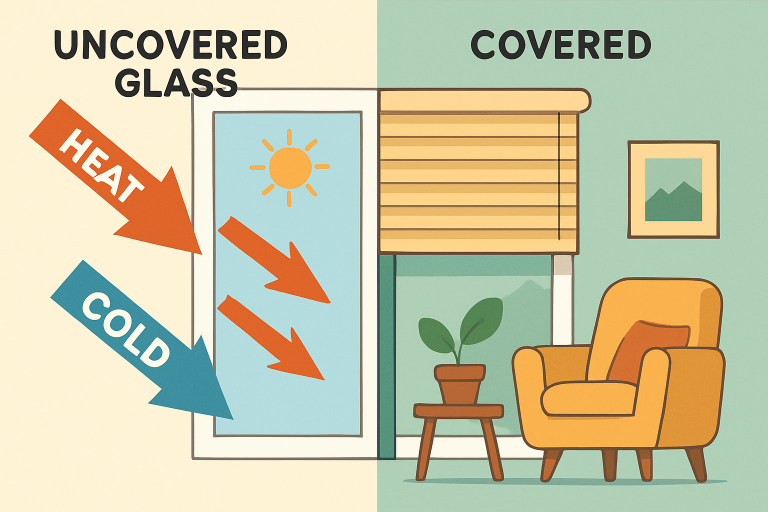
Windows are among the most significant contributors to energy loss and gain in a home. Poorly insulated or outdated windows can leak warm air during winter and absorb excessive heat during summer, driving up your energy bills. Windows account for approximately 25%–30% of residential heating and cooling costs. This means that taking steps to address window efficiency can have a substantial effect on your home’s operating expenses. Whether you live in a new build or a more historic property, the importance of window treatments in energy management cannot be overstated.
Effective window treatments can play a crucial role in controlling indoor climate and reducing reliance on heating and cooling systems. For instance, custom coverings ensure there are no gaps, blocking unwanted drafts and sunlight. Homeowners seeking tailored solutions can benefit from working with professionals such as Made in the Shade Kansas City to find window treatments that balance function and design.
Additionally, window coverings do more than just control light. They serve as a barrier, keeping cold air out in winter and reflecting sunlight away in the summer. Knowing what types of window treatments deliver the best energy efficiency helps you make informed, practical choices for your home.
Types of Energy-Efficient Window Treatments
There is a broad spectrum of energy-efficient window treatments to consider, each offering unique benefits. Learning the differences helps ensure you select the best options for your climate, windows, and lifestyle. Here are some of the most effective treatments for reducing energy loss and boosting comfort:
- Cellular Shades: Also known as honeycomb shades, these feature air-trapping pockets that provide excellent insulation. Studies suggest they can reduce winter heat loss through windows by up to 40% and cut summer solar heat gain by up to 60%.
- Thermal Curtains: Made from heavy, often multilayered materials, thermal curtains effectively minimize heat transfer, keeping the interior warmer or cooler as needed.
- Solar Shades: These block UV rays and limit unwanted glare without sacrificing natural sunlight, helping to moderate indoor temperatures and preserve views.
- Smart Blinds: Automation allows these treatments to open and close in response to temperature and time of day. A properly programmed system can lower energy usage by as much as 40% by automatically optimizing indoor conditions.
Benefits of Custom Window Treatments
- Enhanced Insulation: Custom-sized treatments fit windows precisely, sealing gaps that could cause unwanted heat loss or gain.
- Improved Year-Round Comfort: By managing solar heat and preventing drafts, these treatments stabilize room temperatures year-round.
- Significant Energy Savings: Proper window coverings can reduce solar heat gain by up to 77% on sunny days, resulting in substantial long-term utility savings.
- UV Protection: Quality coverings can block harmful ultraviolet rays, reducing fading of furniture, flooring, and artwork in your home.
Considerations When Choosing Window Treatments
Homeowners should consider several key criteria for selecting the most efficient window treatment options:
- Climate Needs: In colder regions, prioritize insulation; in hotter regions, select treatments with the best heat-blocking properties.
- Window Orientation: South- or west-facing windows typically receive the most sun and thus benefit from the highest performing treatments.
- Material & Color: Light-hued fabrics reflect heat, while darker ones absorb it. Opt for materials and shades that align with your region’s primary concerns.
- Functionality: Prioritize ease of operation, cleaning, and compatibility with home automation systems.
Installation Tips for Maximum Efficiency
- Proper Fit: Ensure treatments are precisely measured, mounted, and installed to cover the window and minimize unwanted airflow fully.
- Layering Techniques: Combine shades with drapes for improved thermal performance while still allowing flexible light control and privacy.
- Seasonal Use: Adjust treatments according to the season—open on sunny winter days to let in warmth, close in summer to keep heat out.
Properly installed treatments can make even standard windows perform closer to the most energy-efficient models. For more tips on installation and seasonal adjustment, the Consumer Reports guide on window coverings offers additional details for homeowners seeking to improve efficiency.
Financial Incentives and Rebates
Upgrading to energy-efficient window treatments may qualify you for rebates and incentives at both the federal and local levels. Programs like ENERGY STAR outline available tax credits and product rebates for approved improvements. According to their research, homeowners improve comfort and save an average of 12% annually on heating and cooling costs by adopting energy-efficient window solutions.
Conclusion
Custom window treatments are a powerful tool in any energy-conscious homeowner’s arsenal. By selecting the right coverings and ensuring expert installation, you’ll enjoy not only reduced energy costs and year-round comfort but also an added boost to your home’s style and resale appeal. Investing in efficient treatments now pays dividends far into the future. Reach out to an experienced window treatment provider to discuss your home’s unique needs and unlock the full potential of stylish, practical, and energy-saving upgrades.

Building A Better Commercial Painting Plan From Prep To Completion

What Makes Legal Marketing Different From Marketing Almost Anything Else?

Why Bar Stools Can Completely Change the Feel of a Kitchen
Ways Proper Garage Door Installation Improves Performance

How to Compare Maine Neighborhoods Before Buying a Home in 2026

The Future of Home EV Charging: Trends, Benefits, and What Drivers Need to Know

How Septic Tank Pumping Services in Huntsville AL Protect Soil Absorption Systems

Foundation Crack Repair Using Injection Methods

How do you know when you need to change your primary care doctor
The Importance of Accurate Inventories Before Moving Day
Ways Proper Garage Door Installation Improves Performance
What Makes Legal Marketing Different From Marketing Almost Anything Else?
Why Bar Stools Can Completely Change the Feel of a Kitchen