
Business
Effective Cash Flow Strategies for Growing Businesses

Table of Contents
- Build a Cash Reserve
- Automate Financial Processes
- Leverage Instant Payment Technologies
- Negotiate Favorable Payment Terms
- Diversify Funding Sources
- Implement Accounts Receivable Automation
- Utilize Lockbox Services
- Centralize Accounts
- Protect Against Fraud
- Conclusion
For any growing business, maintaining optimal cash flow is fundamental to supporting day-to-day operations, leveraging new opportunities, and shielding against unexpected disruptions. Cash flow management goes beyond simply tracking funds. It ensures you have the liquidity to innovate, retain talent, and scale. The journey to strong financial health starts with adopting proactive tactics and leveraging NZ business funding options that fit your needs. Modern solutions and a disciplined approach to financial management can be the difference between thriving and surviving in a competitive market.
Failing to manage cash flow can present challenges even for profitable enterprises. Businesses must be vigilant not only about generating revenue but also about optimizing the timing and management of their inflows and outflows. Setting a strong foundation with reliable cash management practices creates space for growth and helps navigate unexpected downturns. In today’s fast-moving environment, automating, streamlining, and strategically planning every aspect of financial operations often spells the difference between seizing or missing out on new business opportunities.
Build a Cash Reserve
A strong cash reserve is the cornerstone of financial stability. Growing businesses should aim to set aside enough funds to cover operating expenses for 3 to 6 months. This cash cushion acts as a safety net, providing the ability to meet payroll, respond to supply chain disruptions, or invest in new projects even if revenue dips unexpectedly. Regularly reviewing and updating cash flow projections based on historical trends is key to determining the right reserve level.
Automate Financial Processes
Technology has enabled businesses to simplify and strengthen every aspect of their financial workflow. By automating tasks such as invoicing, expense tracking, and reconciliation, businesses not only minimize errors but also reduce manual workloads. Automated accounts payable and receivable systems expedite payment processing, ensuring faster access to cash and improving overall liquidity. These platforms also enable real-time financial monitoring, making it easier to spot trends or irregularities early and react proactively.
Leverage Instant Payment Technologies
In an age of digital banking, instant payment solutions have rapidly become a game-changer for cash flow management. Adopting instant payments accelerates the settlement of receivables, helping businesses minimize the traditional lag between invoicing and collection. With systems such as FedNow or similar real-time rails, you can reduce wait times and boost available working capital. Integrating such solutions also optimizes accounts receivable processes and delivers a more positive customer experience.
Negotiate Favorable Payment Terms
Managing cash flow effectively often comes down to negotiating better payment terms with suppliers and customers. Where possible, extend payment terms with your vendors while encouraging your clients to pay sooner, perhaps with small early-payment discounts. These changes balance inflows and outflows, prevent cash crunches, and improve overall forecasting predictability. Building trust and maintaining transparent communication with your partners is vital for successful negotiations and ongoing relationships.
Diversify Funding Sources
Relying solely on one form of financing can expose a business to unnecessary risk. Alternative options such as invoice financing, revenue-based lending, or peer-to-peer platforms offer valuable flexibility when unexpected cash needs arise. These solutions enable companies to access funds by leveraging unpaid invoices or projected sales, often without the burdens of high interest rates. Diversifying funding sources helps businesses bridge temporary gaps and continue operating smoothly.
Implement Accounts Receivable Automation
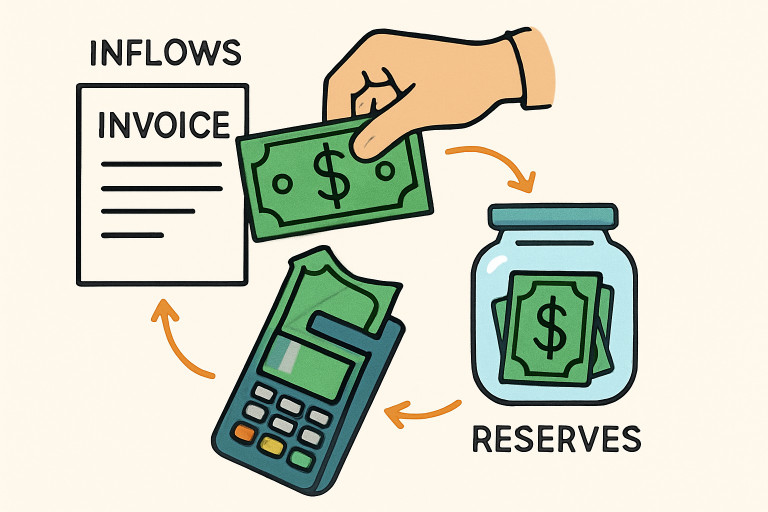
Late payments are among the most significant threats to a healthy cash flow. Automating your accounts receivable processes enables systematic invoicing, routine reminders, and easy online payment options for customers. Automated follow-ups help reduce delinquencies, while digital records eliminate paperwork and assist with compliance. Businesses that embrace automation in their receivables benefit from faster collections and less administrative overhead.
Utilize Lockbox Services
Lockbox banking services allow payments to be routed directly to secure P.O. boxes monitored by financial institutions. This process accelerates the deposit and clearing of checks, especially for companies that receive large volumes of mailed payments. By reducing manual handling and processing delays, lockbox services free up staff for more valuable activities and provide near real-time access to funds. Working with your bank to establish a lockbox system can significantly improve cash flow timing and efficiency.
Centralize Accounts
Centralizing funds from various business accounts into a single core account can dramatically enhance oversight and control. This approach facilitates accurate cash forecasting, improves budgeting, and ensures optimal allocation of working capital across departments. Automated sweep accounts can transfer idle funds into interest-bearing accounts overnight, maximizing returns while keeping cash accessible when needed. Centralized management also makes reconciliation and auditing more straightforward.
Protect Against Fraud
Cash flow threats include fraud, not just slow payments or market shocks. Protect assets with role-based controls, reconciliations, real-time alerts, secure payments, and staff training. These strategies help growing businesses manage volatility and ensure resilience and growth through smart management and technology.
Conclusion
In conclusion, effective cash flow management is a blend of strategic planning, technology adoption, and proactive oversight. By building a robust cash reserve, automating financial processes, leveraging instant payments, and diversifying funding sources, businesses can maintain liquidity, reduce risk, and respond quickly to unexpected challenges. Combining these practices with centralized oversight, secure operations, and strong vendor and customer relationships ensures sustainable growth and long-term financial stability.

How Original Research Earns Trust, Citations, and Quality Links

How to Plan a Safer, Longer-Lasting Industrial Metal Fabrication Project in Lufkin, Texas

How to Keep Phoenix, Arizona Homes Pest-Ready During Monsoon Season
Floating Dock Contractors and the Basics of a Stable Dock System

How to Judge a Mountain Home Before You Buy in Aspen, Colorado

Building A Better Commercial Painting Plan From Prep To Completion

What Makes Legal Marketing Different From Marketing Almost Anything Else?

Why Bar Stools Can Completely Change the Feel of a Kitchen
Ways Proper Garage Door Installation Improves Performance

How to Compare Maine Neighborhoods Before Buying a Home in 2026
How to Judge a Mountain Home Before You Buy in Aspen, Colorado
Floating Dock Contractors and the Basics of a Stable Dock System
How to Plan a Safer, Longer-Lasting Industrial Metal Fabrication Project in Lufkin, Texas
How to Keep Phoenix, Arizona Homes Pest-Ready During Monsoon Season