
Finance
What Role Do Insurance Companies Play in Delaying 18-Wheeler Accident Settlements?

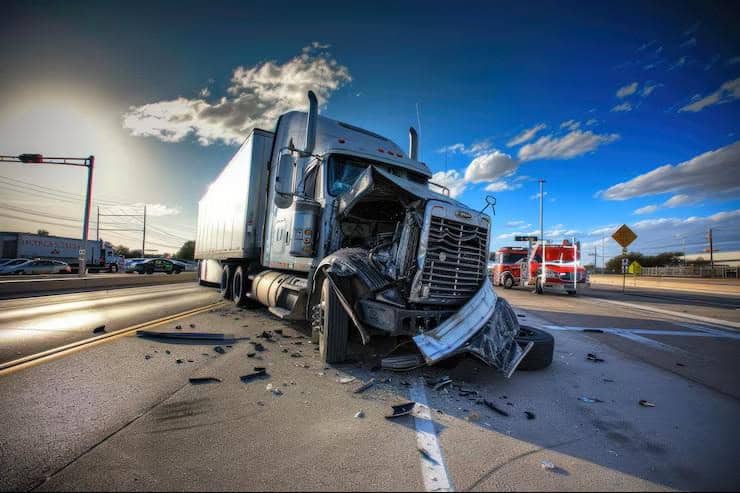
An accident involving an 18-wheeler can turn your life upside down in seconds. These crashes often cause serious injuries, costly medical bills, and long periods away from work. Victims are usually left dealing with pain, stress, and uncertainty about the future.
After an 18-wheeler accident, many people expect the insurance process to move quickly, but delays are far more common than most realize. Insurance companies play a major role in how long it takes to resolve an 18-wheeler accident claim. While insurers are supposed to investigate and settle claims fairly, their business goals often lead to slowdowns. Understanding how and why these delays happen can help victims better protect their rights.
Why 18-Wheeler Accident Claims Are More Complex
Claims involving 18-wheelers are very different from standard car accident cases. These crashes usually involve commercial insurance policies with high coverage limits and multiple parties.
Insurance companies must investigate the driver, the trucking company, and sometimes third parties such as maintenance providers or cargo loaders. This complexity gives insurers more opportunities to slow the process.
Extensive Investigations Can Cause Delays
Insurance companies often conduct long and detailed investigations before agreeing to a settlement. They may review police reports, interview witnesses, examine vehicle damage, and analyze electronic data from the truck.
While some investigation is necessary, insurers sometimes stretch this process out. Prolonged investigations can delay payments and pressure victims to accept lower offers.
Disputing Liability to Avoid Responsibility
Another common tactic is disputing fault. Insurance companies may argue that the truck driver was not fully responsible or that another vehicle caused the crash.
By questioning liability, insurers can delay settlement negotiations. This forces victims to wait longer while responsibility is debated, even when evidence clearly points to the truck driver or company.
Downplaying the Severity of Injuries
Insurance adjusters often question the seriousness of injuries. They may claim that injuries were pre-existing or not as severe as reported.
This tactic allows insurers to delay settlements while requesting additional medical records or evaluations. In some cases, they may wait until a victim’s condition stabilizes before making an offer, prolonging the process even further.
Requesting Repeated Documentation
Insurance companies frequently ask for extensive documentation. This may include medical records, employment information, repair estimates, and proof of lost wages.
While documentation is a normal part of any claim, repeated or unnecessary requests can slow progress. Each new request restarts review timelines and adds to the delay.
Using Low Initial Settlement Offers
Some insurers intentionally make low settlement offers early in the process. These offers may not come close to covering medical bills or long-term losses.
When victims reject these offers, insurers may delay further negotiations. The goal is often to wear down the injured party and push them toward accepting less compensation.
Waiting for Financial Pressure to Build
Insurance companies know that many accident victims are under financial strain. Medical bills, rent, and daily expenses continue to pile up.
By delaying settlements, insurers hope victims will become desperate and agree to an unfair settlement. This strategy can be especially effective against those without legal representation.
The Role of Legal Representation
Hiring an experienced truck accident lawyer can help reduce insurance delays. Lawyers understand insurer tactics and know how to push claims forward.
An attorney can communicate directly with insurers, gather strong evidence, and demand timely responses. In many cases, insurers take claims more seriously once a lawyer is involved.
When Delays Lead to Litigation
If insurance companies refuse to act in good faith, filing a lawsuit may become necessary. Litigation often forces insurers to move faster and negotiate more fairly. While lawsuits take time, they can prevent endless delays and increase the chances of a fair outcome.
Summary Box
- Conducting lengthy investigations
- Disputing liability and fault
- Questioning injury severity
- Requesting repeated documentation
- Making low initial settlement offers
- Waiting for financial pressure on victims
- Dragging out negotiations without resolution

Building A Better Commercial Painting Plan From Prep To Completion

What Makes Legal Marketing Different From Marketing Almost Anything Else?

Why Bar Stools Can Completely Change the Feel of a Kitchen
Ways Proper Garage Door Installation Improves Performance

How to Compare Maine Neighborhoods Before Buying a Home in 2026

The Future of Home EV Charging: Trends, Benefits, and What Drivers Need to Know

How Septic Tank Pumping Services in Huntsville AL Protect Soil Absorption Systems

Foundation Crack Repair Using Injection Methods

How do you know when you need to change your primary care doctor
The Importance of Accurate Inventories Before Moving Day
Ways Proper Garage Door Installation Improves Performance
What Makes Legal Marketing Different From Marketing Almost Anything Else?
Why Bar Stools Can Completely Change the Feel of a Kitchen