
Finance
How to Set the Right Price: Avoiding the Two Major Pricing Mistakes

Key Takeaways
- Strategic pricing has a significant impact on profitability, brand perception, and long-term business growth.
- Cost-based pricing and ignoring market dynamics are common pitfalls that can limit revenue.
- Understanding your customer’s perception of value and ongoing market changes enables more effective pricing decisions.
- Leveraging market research and flexible models is essential for sustainable pricing strategies.
Table of Contents
- Understanding the Importance of Proper Pricing
- Mistake #1: Basing Prices Solely on Costs
- How to Avoid This Mistake
- Mistake #2: Ignoring Market Dynamics and Customer Segmentation
- How to Avoid This Mistake
- Real-Life Example: The Pitfalls of Uniform Pricing
- Final Thoughts
Understanding the Importance of Proper Pricing
Setting the right price is one of the most consequential decisions for any business, as it influences not only immediate sales but also long-term sustainability, brand reputation, and stakeholder trust. Your pricing strategy signals quality and value to your customers, acting as a pivotal factor that aligns costs, customer expectations, and competitive positioning.
For those considering how to maximize their assets—perhaps looking to sell your property—understanding the nuances of pricing can make a significant difference in their outcome and overall success.
Mistake #1: Basing Prices Solely on Costs
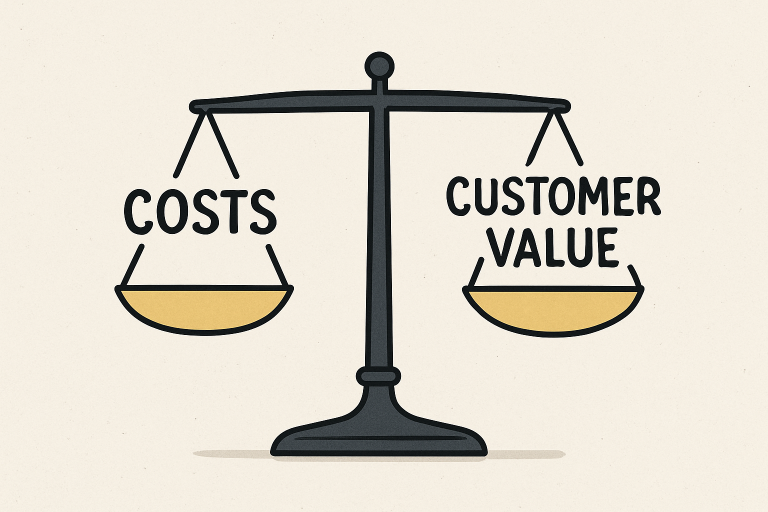
It’s tempting to base your pricing strategy exclusively on your internal cost structure. This “cost-plus” approach—simply adding a markup to your production or service costs—can seem straightforward and low-risk. However, this method can easily undermine growth by failing to consider the most critical factor in any sale: the value perceived by your customer. If you price too low, you risk signaling low quality and leaving money on the table; if you price too high, you risk alienating your target audience.
According to insights from the Harvard Business Review, cost-only pricing overlooks value-driven market opportunities and can erode profitability, especially when fixed and variable costs fluctuate or the competitive landscape shifts.
How Cost-Based Pricing Falls Short
- Ignores Customer Value: You must understand what customers are willing to pay and what they value most in your offering.
- Signals Misaligned Quality: Low pricing can inadvertently suggest the product is inferior, while high pricing without justification can reduce demand.
- Limits Market Responsiveness: Rigid pricing fails to adapt to changing market dynamics and emerging competitive threats.
How to Avoid This Mistake
- Conduct Market Research: Investigate your target customers’ price sensitivities and expectations through surveys, focus groups, or pilot launches.
- Analyze Competitors: Map out the pricing benchmarks and unique value propositions in your sector to understand your market position.
- Emphasize Value Proposition: Focus communications and pricing around the distinct benefits and results your product or service offers.
This analytical approach, as explained by Forbes, ensures you’re not just covering costs, but actively capitalizing on what differentiates you in a crowded marketplace.
Mistake #2: Ignoring Market Dynamics and Customer Segmentation
An equally critical pricing pitfall is the disregard for market variability and customer heterogeneity. Not all customers have identical needs or the same willingness to pay; some segments are price-insensitive if offered unique value, while others are highly price-sensitive. Applying uniform pricing across all segments and throughout economic cycles risks both revenue loss and a weakened competitive position as market needs shift.
How to Avoid This Mistake
- Segment Your Customers: Utilize demographic, behavioral, or transactional data to create distinct groups, enabling tailored pricing that reflects the needs and perceived values of each segment.
- Monitor Market Trends: Stay informed about industry shifts, competitor movements, and macroeconomic indicators that can impact demand and pricing elasticity.
- Implement Flexible Pricing: Adopt models such as tiered pricing, dynamic pricing, or seasonal promotions to respond quickly to feedback and external factors.
These tactics ensure that you capture maximum value from each segment while remaining agile in volatile market conditions.
Real-Life Example: The Pitfalls of Uniform Pricing
Consider a chemical supplier who offers both research-grade chemicals to universities and industrial chemicals to manufacturing facilities. Setting a flat price ignores the substantially different value perceptions, regulatory needs, and budgets of these buyer groups. Overcharging low-margin buyers prices them out, while undercharging high-value clients leaves profits on the table—both of which can strain business relationships and limit growth opportunities.
Final Thoughts
Strategic pricing is not a set-and-forget exercise; it demands ongoing vigilance, customer-centric research, and adaptive strategies. By shunning the twin traps of cost-based pricing and ignoring market segmentation, you foster resilience and competitiveness. Make pricing an integral part of your business’s value proposition, and you’ll see the rewards not just on your balance sheet, but in customer loyalty and long-term market success.

Building A Better Commercial Painting Plan From Prep To Completion

What Makes Legal Marketing Different From Marketing Almost Anything Else?

Why Bar Stools Can Completely Change the Feel of a Kitchen
Ways Proper Garage Door Installation Improves Performance

How to Compare Maine Neighborhoods Before Buying a Home in 2026

The Future of Home EV Charging: Trends, Benefits, and What Drivers Need to Know

How Septic Tank Pumping Services in Huntsville AL Protect Soil Absorption Systems

Foundation Crack Repair Using Injection Methods

How do you know when you need to change your primary care doctor
The Importance of Accurate Inventories Before Moving Day
Ways Proper Garage Door Installation Improves Performance
What Makes Legal Marketing Different From Marketing Almost Anything Else?
Why Bar Stools Can Completely Change the Feel of a Kitchen