
Business
Safe Methods for Air Transporting Priceless Cargo

Key Takeaways
- Robust handling protocols, staff vetting, and specialized packaging are core to the successful air transport of high-value goods.
- Real-time tracking, data analytics, and blockchain authentication provide transparency and quick risk response.
- Compliance with international air cargo standards is essential for universally trusted security.
- Partnering with experienced providers and using secure storage facilities further enhances protection during transit.
Moving assets of extraordinary value by air demands the highest level of precaution and sophisticated logistics. Artworks, rare gemstones, confidential documents, and similar high-value items must be protected against theft, tampering, and environmental risks throughout every phase of their journey. By integrating strict protocols and leveraging modern technologies, shippers can maximize cargo safety and ensure peace of mind for all stakeholders. For a detailed look into specialized solutions and industry standards, visit https://www.evojets.com/transport-precious-cargo-by-air/.
The process of air transporting priceless cargo involves pre-transport risk mitigation, secure packing methods, secure chain-of-custody practices, and up-to-date compliance with global regulations. Each measure works to reduce the likelihood of incidents and ensures items arrive intact, without loss or unauthorized access.
Specialized partners with experience in precious cargo transportation are increasingly crucial in a globalized, interconnected marketplace. Their expertise helps clients anticipate and navigate potential threats, from logistical delays to evolving criminal tactics targeting valuable air shipments.
Advances in digital tools and logistics protocols continue to raise the bar for cargo safety, with technologies such as blockchain and real-time tracking now considered best practices in the industry. As threats evolve, so too must the approaches used to safeguard precious goods in transit.
Comprehensive Security Protocols
The backbone of safe air transportation for valuable cargo is a set of comprehensive security protocols. Personnel are rigorously vetted through background checks, minimizing internal risks posed by compromised staff. Access to sensitive areas within warehouses, vehicles, and airports is managed through biometric authentication and electronic access logs, ensuring that only properly authorized individuals are permitted near the cargo.
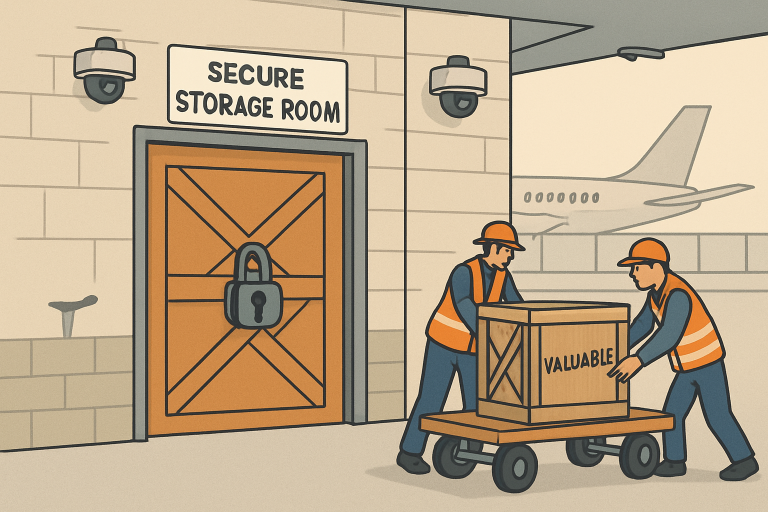
Regular training programs for employees reinforce the importance of best practices, from recognizing suspicious activity to following chain-of-possession protocols. According to the Federal Aviation Administration, ongoing education is central to maintaining high levels of preparedness and response skills among teams handling valuable shipments.
Advanced Packaging and Labeling
Physical protection and discrete labeling are equally crucial for preserving the value and secrecy of precious cargo. Tamper-evident seals—featuring holographic, coded, or destructible materials—quickly alert handlers to any unauthorized attempts at access. When combined with strong, impact-resistant materials designed for air freight, packaging reduces both pilferage and accidental damage.
Reducing external indicators of the cargo’s value is a key deterrent to theft. Instead of explicit labels, discrete coding systems enable handlers to recognize and prioritize shipments without disclosing their nature or value. This confidentiality extends to manifests shared between trusted points in the supply chain, blocking would-be criminals from identifying targets.
Real-Time Tracking and Monitoring
Visibility is an increasingly powerful tool in modern air cargo logistics. By integrating GPS and RFID tags with shipment documentation, stakeholders can track precise locations and conditions 24/7. If cargo deviates from its planned route, detection is instantaneous, allowing for a rapid escalation or rerouting to avoid greater risks.
Building on sensor data, predictive analytics spot trends—ranging from environmental threats to the timing and routes associated with common theft attempts—making it possible to address risks proactively. As reported by Air Cargo News, these intelligent tools contribute to faster recoveries in the event of theft, as well as early interventions for temperature- or shock-sensitive goods.
Blockchain for Secure Documentation
Document falsification and loss are perennial threats in cargo transit. Blockchain-driven solutions address these by creating immutable, time-stamped transaction records. Every event—from loading to offloading, custody transfer to delivery—is logged transparently, producing trustworthy audit trails accessible to all involved parties.
This technology does more than prevent fraud; it reassures insurers, clients, and customs officials that the shipment has not been altered, opened, or misrouted. Authentication through distributed ledgers ensures all documentation is validated quickly and securely, drastically reducing dispute resolution times.
Compliance with International Regulations
Adhering to global regulatory frameworks is mandatory for the cross-border transport of precious items. The International Civil Aviation Organization (ICAO) protocols and Transportation Security Administration (TSA) standards establish minimum safety and screening requirements for air cargo.
These requirements guide everything from the design of security checks at cargo terminals to the obligations for reporting and information sharing between carriers and authorities. Consistent compliance helps standardize protection and streamlines incident responses, regardless of the destination of shipments.
Utilizing Specialized Air Freight Services
Airlines and logistics providers increasingly offer specialized services designed specifically for high-value shipments, ensuring multiple layers of security for both the cargo and personnel involved. These solutions often include priority handling, unmarked or discreet containers, armored escorts, and secure transfer facilities to protect sensitive goods throughout their journey. In addition, secure warehousing equipped with controlled access, advanced surveillance, and around-the-clock guards further reduces risk before and after air transport. Leading providers complement these measures with real-time digital tracking, comprehensive insurance coverage, and end-to-end chain-of-custody verification. Such integrated, high-security approaches are particularly critical for industries handling fine art, luxury jewelry, rare collectibles, or sensitive scientific equipment, offering peace of mind and minimizing exposure to theft, damage, or logistical disruption.
Conclusion
Transporting high-value or irreplaceable cargo by air demands an intricate combination of strict procedural safeguards, advanced digital monitoring systems, precise packaging techniques, and unwavering compliance with international regulations. Each step—from initial preparation to final delivery—must be executed with the utmost care to minimize risk and protect the integrity of the shipment. Partnering with experienced logistics specialists ensures access to industry knowledge, while leveraging cutting-edge technology enables real-time tracking and proactive issue management. Adhering to established best practices, including risk assessments, secure handling protocols, and contingency planning, further enhances safety and security. As global trade and aviation security continue to evolve, shippers must remain vigilant, continuously updating strategies and procedures. This ongoing commitment ensures that valuable or sensitive assets are transported securely, efficiently, and on schedule, providing peace of mind at every stage of the journey.

Cash Back Apps for Groceries: Why Use Them as a Retailer & How to Choose

EHS Platform for Safer and More Responsible Operations

Get the Rights Brakes for a Reliable Classic Vehicle

What is Islamic fintech for SMEs and how does it work?

Understanding USB3 Vision Camera Specifications for Optimal Performance

Polish Passport by Descent: Eligibility and Application Process
Creative Ways to Sell Your Home Faster Without Sacrificing Price
Safe Methods for Air Transporting Priceless Cargo

When Air Duct Cleaners in Nolensville, TN Recommend Full-System Negative-Pressure Extraction
Innovative Landscaping Solutions for Modern Outdoor Spaces

Benefits of Self Funded Insurance & How to Get It

Evaluating Moving Services for Your Home

What Everyone Should Know About Truck Accident Liability

Effective Strategies for Controlling Household Mold Growth
How to Avoid Foreclosure by Selling Your Home Quickly

How A Dui Conviction Can Impact Your Career And License

Buying Commercial Umbrellas: 5 Tips on Choosing Your Products

Eminent Domain: How to Protect Your Texas Land Rights

Why Choosing a Top Personal Injury Attorney Can Make All the Difference in Your Case
