
Law
Military Benefits and Divorce: What Happens in NH?

Key Takeaways
- Military pensions in New Hampshire are considered marital property and are divided equitably in divorce proceedings.
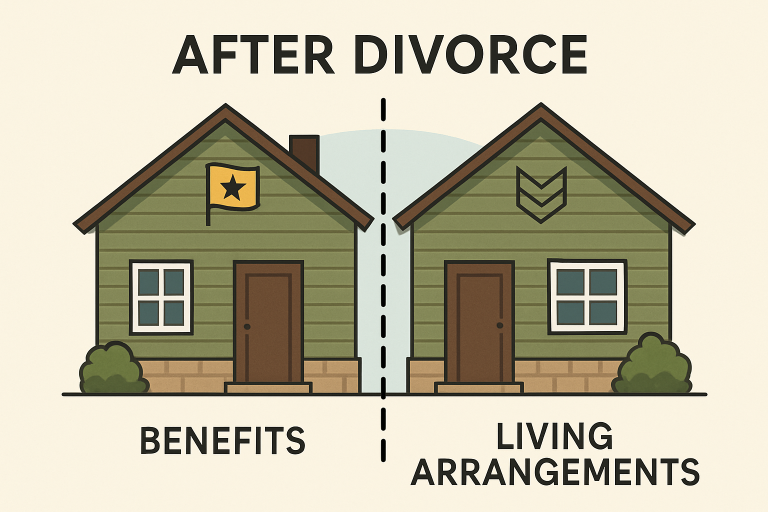
- Post-divorce access to healthcare, housing, and commissary privileges depends on the length of the marriage and the overlap in service.
- Child custody and support arrangements must address the unique demands of military service.
- Active-duty members are protected during divorce proceedings by the Servicemembers Civil Relief Act (SCRA).
- Professionals with experience in military divorces should guide legal and financial decisions.
Understanding the Division of Military Pensions
Military divorce cases in New Hampshire must address a range of complex financial issues, with military pensions at the forefront. State law considers military retirement benefits to be marital property, which means they are subject to equitable division during divorce. The Uniformed Services Former Spouses’ Protection Act (USFSPA) empowers state courts to recognize military pensions as part of the marital estate, whether or not the pension has vested.
This legal framework aims to achieve a fair distribution, but “equitable” does not always mean “equal.” Settling these matters during the divorce process is crucial so that both spouses have a clear understanding of their rights. Guidance from an experienced military family law attorney, such as Turco Legal, P.C., can be instrumental in securing a just resolution. Additionally, understanding how survivor benefits and retirement pay interact with other marital assets can prevent future disputes. Careful documentation and timely court filings ensure that both parties receive their entitled benefits without unexpected complications.
Health Care Benefits Post-Divorce
Access to health care is a major concern for military families navigating divorce. The 20/20/20 rule offers continued TRICARE benefits to former spouses if the marriage and service each lasted 20 years and overlapped for at least 20 years. For those who qualify, these benefits continue so long as the former spouse remains unmarried, providing vital health security.
If the marriage-service overlap is between 15 and 20 years (the 20/20/15 rule), TRICARE coverage extends for one year post-divorce. Those who do not meet these thresholds will lose access to military health care and should promptly explore alternative options, such as employer plans or ACA coverage. Understanding these nuances ensures former spouses are not left unprotected.
Impact on Housing and Commissary Privileges
Divorce often results in the loss of military housing privileges for the non-military spouse, as only active service members and their dependents are permitted to remain on base. Following a divorce decree, former spouses typically have a brief period to vacate military housing. Commissary and exchange privileges are also lost, except in cases where the 20/20/20 rule applies, which preserves access to these valuable resources. Planning for these changes ahead of time can help alleviate stress and provide greater stability during the transition. It’s essential to comprehend the impact of these regulations on the daily lives and budgeting of former military spouses.
Child Custody and Support Considerations
Negotiating child custody and support in military families involves additional complications due to deployments, frequent relocations, and unpredictable schedules. New Hampshire courts always prioritize the best interests of the child, considering stability, ongoing parental involvement, and readiness to accommodate the realities of military life. Parents may need to draft detailed parenting plans that cover long-distance communication, travel, and adjustments during deployments or training periods.
Calculating child support requires evaluating the military parent’s base pay, allowances (such as Basic Allowance for Housing), and any special pay. Courts may also consider VA disability benefits as income for these purposes, even though they are not divisible as property.
Servicemembers Civil Relief Act (SCRA) Protections
The Servicemembers Civil Relief Act (SCRA) shields active-duty military personnel from negative legal consequences that could arise due to their service obligations. During divorce proceedings, the SCRA can allow service members to postpone or stay court actions if their duties prevent them from participating fully in the proceedings. This protection helps ensure that no unfair legal advantage is gained due to deployment, training, or other service-related absences. Spouses should be aware of these rights, and courts are generally sensitive to the disruptions military life can impose during civil litigation.
Division of VA Disability Benefits
VA disability compensation is generally protected from division in divorce settlements and is not considered marital property. However, its role cannot be completely disregarded: New Hampshire courts may factor disability benefits into spousal support and child support orders because they affect the total income available to the veteran. Both parties should ensure these details are addressed in the final divorce agreement to avoid future disputes or financial surprises.
Legal Assistance and Resources
Military families facing divorce have access to counseling and basic legal guidance through the Judge Advocate General’s Corps (JAG) or military legal assistance offices. However, these offices do not provide in-court representation or handle all complex family law matters. Engaging a civilian attorney with experience in military divorces is often essential to ensure that all benefits, protections, and rights are preserved and fairly addressed under both federal and state law.
Outside support and resources from organizations such as the American Bar Association and Military OneSource can also ease the transition and provide guidance tailored to the specific needs of divorcing military families.
Final Thoughts
Divorce involving military personnel in New Hampshire raises distinct legal and practical challenges. Understanding how assets like military pensions are divided, how benefits and privileges change after divorce, and how to navigate the intricacies of child custody, support, and federal protections is vital for both spouses. Working with legal professionals who specialize in military family law ensures that all parties make informed decisions and arrive at solutions that honor both military service and family needs.
Finding the Right Path: Your Best Options for an Urgent Home Sale
Military Benefits and Divorce: What Happens in NH?
How Prebuilt PCs Are Shaping the Future of Gaming
2026 Real Estate Trends for Buyers and Sellers
Modern Trends in Pool Design and Renovation

Efficient Irrigation Systems: Impacts on Water Conservation

Tree Care Tips for Healthy Urban Canopies in Nashville, TN

How Does Navigator International Ensure Vertical and Horizontal Construction Meet UFC and ASTM Standards?

How to Reconnect With School Friends After Years Apart
Relocate with Ease: Tips for Selling Your House As Is for Quick Cash
Safeguarding Insider Trading: Best Practices for Rule 10b5-1 Trading Plans

How to Prepare Your Home for a Quick Sale in Any Market

Strong Players in the White Label Digital Banking Ecosystem

Advantages of Modern Dental Implants for Everyday Life
How Regular Chimney Maintenance Can Improve Your Home’s Safety
