
Real Estate
2026 Real Estate Trends for Buyers and Sellers

Key Takeaways
- Expect a modest home price rise and increased sales as affordability improves.
- Regional differences will shape market opportunities, particularly in the Northeast and Midwest.
- Design features will prioritize wellness, nostalgia, and sustainability in 2026.
- Technological advances are transforming the buying and selling process, bringing greater transparency and convenience.
- Affordability and financial preparation remain critical as buyers and sellers navigate changing market conditions.
Table of Contents
- Introduction
- Economic Outlook and Market Predictions
- Regional Variations in Market Dynamics
- Design and Lifestyle Trends
- Technological Integration in Real Estate
- Affordability and Financial Considerations
- Inventory Levels and Housing Supply
- Conclusion
Introduction
The 2026 real estate market is setting the stage for meaningful shifts, driven by a blend of economic recovery, evolving buyer interests, and rapid technological growth. Buyers and sellers who stay abreast of these developments will be better equipped to succeed in a landscape that rewards flexibility and strategic decision-making. Those considering entering metropolitan markets should seek guidance from a trusted resource such as Honolulu real estate agent Kina Knisley, who can offer personalized insight tailored to changing market dynamics.
With the real estate environment facing fresh changes—from price trends to buyer sentiment—market participants must be proactive. In 2026, the intersection of affordability improvements and pent-up demand is expected to influence both national and local markets, altering how people buy and sell properties across the U.S.
Economic Outlook and Market Predictions
Economists forecast a 1.2% growth in home values for 2026, signaling slow but stable appreciation. According to Investopedia, economic forecasting relies on analyzing trends in employment, interest rates, and consumer spending to predict market movements. This measured uptick is paired with a predicted 4.3% jump in existing home sales as lower mortgage rates and wage growth make homeownership accessible to more Americans.
Regional Variations in Market Dynamics
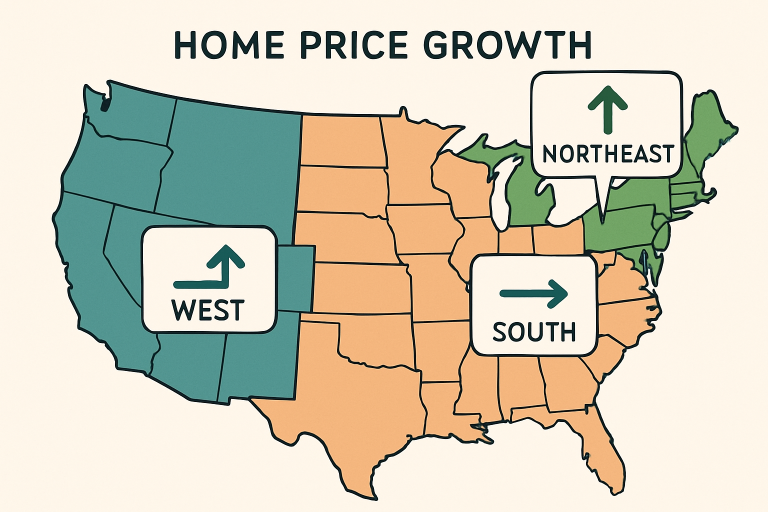
Market trends aren’t universal. The Northeast and Midwest, boosted by tight inventory and robust local economies, are forecasted to experience the fastest home price gains. In contrast, the South and West will likely see more modest increases, due in part to ongoing development and a steadier influx of new construction. Prospective buyers in these regions should factor in both the current supply of properties and the projected health of the regional job market as part of their long-term strategy.
For more context on how regional dynamics are expected to impact the housing market next year, CNBC provides an in-depth overview of recent shifts in key metropolitan areas.
Design and Lifestyle Trends
In 2026, American homebuyers will continue to prioritize features that support well-being and sustainability. Properties with wellness amenities—such as meditation rooms, air purification systems, and advanced water filtration—are increasingly appearing in listings, catering to health-focused consumers. At the same time, design preferences are shifting toward nostalgic aesthetics, with traditional and Art Deco touches enjoying a resurgence. This retro revival adds emotional value and curb appeal for both buyers and sellers.
Sustainability is no longer a niche; it’s a mainstream expectation, affecting everything from landscaping choices to the integration of energy-efficient appliances and materials. Homeowners seeking to boost market value should consider retrofitting properties with green upgrades to attract eco-conscious buyers.
Technological Integration in Real Estate
Technology is revolutionizing the way buyers and sellers interact with the market. Virtual tours, AI-driven property recommendations, and blockchain-based transactions are streamlining the real estate process, making it more accessible and secure. These advancements not only improve efficiency but also reduce friction for remote buyers or those with busy schedules. As more people expect seamless digital interactions, agents and sellers who leverage these tools will appeal to an increasingly tech-savvy clientele.
Even routine house hunting has evolved, with mobile apps providing real-time updates and instant messaging, ensuring a connected and responsive experience from the earliest search to closing day.
Affordability and Financial Considerations
Affordability remains front and center for 2026, as more than 40% of potential buyers and sellers say they’re concerned about a possible market downturn. To adapt, nearly all surveyed (93%) are reevaluating their spending and savings habits, trying to maximize their buying power and minimize risk. Understanding prevailing mortgage trends and preparing for cost fluctuations will be crucial—especially as even minor changes in interest rates can dramatically change monthly payments.
Buyers are also advised to use mortgage calculators and consult local professionals who can recommend the best strategy based on current conditions and their unique financial situations.
Inventory Levels and Housing Supply
A crucial driver for 2026 will be the normalization of inventory levels, projected to return to pre-pandemic standards. This increase is the result of both a rise in new constructions and more homeowners listing their properties as confidence returns to the market. For buyers, this translates to expanded choices and potentially more negotiating power. Sellers will need to price competitively and ensure their properties stand out with strategic upgrades and thorough staging.
A balanced inventory also implies a healthier, less volatile market—welcomed news after several years of supply shortages that led to bidding wars and frustration for many buyers.
Conclusion
The real estate landscape in 2026 will reward those who stay informed and agile. By understanding economic and regional shifts, prioritizing financial health, and embracing technology, buyers and sellers can seize new opportunities and confidently navigate the year’s emerging trends. Partnering with local experts is invaluable for anyone seeking to make the most of a changing market.
Finding the Right Path: Your Best Options for an Urgent Home Sale
Military Benefits and Divorce: What Happens in NH?
How Prebuilt PCs Are Shaping the Future of Gaming
2026 Real Estate Trends for Buyers and Sellers
Modern Trends in Pool Design and Renovation

Efficient Irrigation Systems: Impacts on Water Conservation

Tree Care Tips for Healthy Urban Canopies in Nashville, TN

How Does Navigator International Ensure Vertical and Horizontal Construction Meet UFC and ASTM Standards?

How to Reconnect With School Friends After Years Apart
Relocate with Ease: Tips for Selling Your House As Is for Quick Cash
Safeguarding Insider Trading: Best Practices for Rule 10b5-1 Trading Plans

How to Prepare Your Home for a Quick Sale in Any Market

Strong Players in the White Label Digital Banking Ecosystem

Advantages of Modern Dental Implants for Everyday Life
How Regular Chimney Maintenance Can Improve Your Home’s Safety
Recent Shifts in the H-1B Visa Landscape
